


Barbiturate Addiction Treatment · Boca Raton, Florida
Barbiturate Addiction Treatment in Boca Raton, FL
Still Detox provides 24/7 medically supervised barbiturate addiction treatment and detox for adults in Boca Raton, Florida. Our Medical Director manages barbiturate withdrawal using phenobarbital stabilization and individualized taper protocols in a private, 14-bed setting adjacent to Boca Regional Hospital. Barbiturate withdrawal is among the most medically dangerous of all drug withdrawals — call now for a confidential, same-day assessment.
✓ 24/7 nursing coverage
✓ 1:7 or better staff ratio
✓ 14-bed private setting
✓ Beside Boca Regional Hospital
Verify Your Insurance
Free & confidential — takes about 60 seconds
 Joint Commission Accredited
 Florida DCF Licensed
 LegitScript Certified
 Verified by Psychology Today
Sedative, Hypnotic, and Anxiolytic Use Disorder · Barbiturate Type · Clinical Definition
What Is Barbiturate Addiction?
Barbiturate addiction is classified by the DSM-5-TR as sedative, hypnotic, or anxiolytic use disorder — a chronic condition defined by compulsive barbiturate use despite significant harm to health, relationships, or daily functioning. Barbiturates are a class of central nervous system depressants that enhance the activity of GABA, the brain's primary inhibitory neurotransmitter, by binding directly to the GABA-A receptor chloride channel. This direct binding produces a more pronounced and less selective CNS depression than benzodiazepines — giving barbiturates a narrower therapeutic window and higher overdose lethality.
Barbiturates were once widely prescribed for anxiety, insomnia, and seizure disorders. Their high addiction liability and lethal overdose risk drove a clinical shift toward benzodiazepines beginning in the 1960s. Today, barbiturates in clinical use include phenobarbital (Luminal) for epilepsy, butalbital (Fioricet, Fiorinal) for tension headaches, and pentobarbital (Nembutal) for procedural sedation. Physical dependence can develop within weeks at high doses, and barbiturate withdrawal can be severe and may cause death without medical care.
8–12 hrsonset of early withdrawal symptoms after the last barbiturate dose, with seizures possible within 16 hours
11DSM-5 criteria for sedative, hypnotic, or anxiolytic use disorder applied to barbiturate addiction
Fatalunmanaged barbiturate withdrawal can cause seizures, delirium, and death
~15 daysfor barbiturate withdrawal symptoms to gradually ease, and longer after phenobarbital
Why Barbiturate Withdrawal Requires Immediate Medical Supervision
Barbiturates act directly on the GABA-A receptor chloride channel, producing CNS depression that is dose-dependent and lacks the ceiling effect that makes benzodiazepines comparatively safer. With chronic use, the brain's GABA receptor system downregulates to compensate — and when barbiturates are removed, the nervous system rebounds into a state of severe excitability that can produce grand mal seizures, delirium, hyperthermia, and cardiovascular collapse.
Barbiturate withdrawal is one of the most medically dangerous withdrawal syndromes. Benzodiazepines largely replaced barbiturates for anxiety and insomnia because of their better safety profile, especially in overdose. An unmanaged barbiturate withdrawal can be fatal. Barbiturate discontinuation should happen under physician supervision with a gradual taper, often using a long-acting barbiturate such as phenobarbital.
At Still Detox, barbiturate detox is managed using phenobarbital stabilization: an individualized stabilizing dose of phenobarbital is established based on the client's specific drug, dose, and duration of use, then tapered incrementally under daily physician oversight. Vital signs are monitored around the clock. Emergency services are immediately accessible through our adjacent Boca Regional Hospital campus.
Why Choose Still Detox for Barbiturate Addiction Treatment in Florida
Barbiturate withdrawal demands clinical precision, physician-level oversight, and immediate access to emergency services. Still Detox is built for exactly this level of medical complexity.
🩺
Physician-Led Medical Oversight
Our Medical Director evaluates every client within 24 hours of admission and establishes the phenobarbital stabilization and taper protocol. Daily physician assessment drives taper adjustments throughout the withdrawal period.
🏥
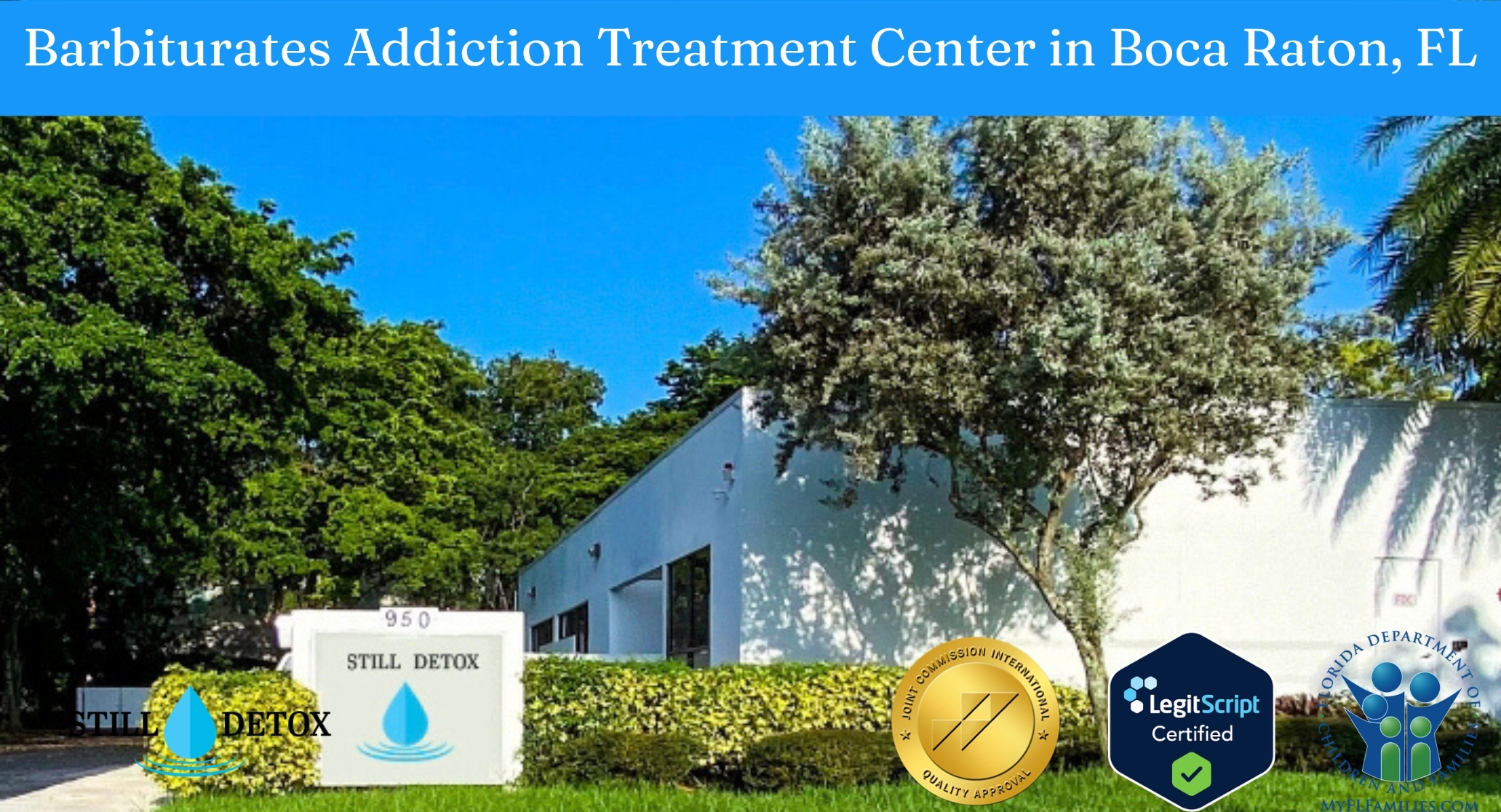
On a Hospital Campus
Located on the University Hospital campus, adjacent to Boca Regional Hospital. Emergency cardiovascular and neurological services are immediately available — a critical safeguard for a withdrawal syndrome that can cause seizures.
🛏️
Private, 14-Bed Setting
Private rooms available with around-the-clock nursing monitoring, professional catering, and individualized comfort care throughout acute barbiturate withdrawal — managed without the chaos of a hospital ward.
🔄
Direct Step Into Residential
Barbiturate detox flows directly into inpatient residential treatment on the same campus. The anxiety, seizure disorder, or chronic pain condition that drove barbiturate use is addressed in the therapeutic program that follows detox.
🗣️
Fully Bilingual Care
Every team member, from behavioral health techs through the Medical Director, is fluent in English and Spanish. Complete barbiturate addiction treatment services are available in Spanish.
🐾
Service Animals Welcome
Unlike most facilities, Still Detox fully accommodates legitimate service animals during barbiturate addiction treatment. Dogs and cats are welcome. Recovery should never require leaving your companion behind.
What Patients Say About Treatment at Still Detox
People come to Still Detox at their most vulnerable. Here is what they say about the clinical care, the staff, and the recovery they found on the other side.


Barbiturate Withdrawal Timeline: Short-Acting vs Long-Acting
Barbiturate withdrawal timeline differs significantly based on the specific drug's half-life. Short-acting barbiturates such as secobarbital (Seconal) and pentobarbital (Nembutal) produce rapid withdrawal onset. Long-acting barbiturates such as phenobarbital (Luminal) produce a more gradual, extended withdrawal course. Butalbital — found in headache medications such as Fioricet and Fiorinal — occupies an intermediate position. Understanding which barbiturate a client is physically dependent on determines both the stabilization strategy and the expected withdrawal timeline.
All barbiturate withdrawal syndromes share a common mechanism: rebound CNS hyperexcitability as GABA-A receptor suppression is removed. Seizure risk is present across all barbiturate classes and is the primary clinical justification for inpatient physician-managed detox rather than outpatient or home-based withdrawal management.
Hours 8 to 16 · Early Withdrawal (Short-Acting)
Early withdrawal symptoms can appear 8 to 12 hours after the last barbiturate dose, including anxiety, muscle twitching, tremors, weakness, dizziness, nausea, vomiting, and insomnia. Seizures and delirium can begin as early as 16 hours after the last dose. At Still Detox, phenobarbital stabilization begins immediately upon admission to prevent the withdrawal from progressing to its dangerous peak.
Days 1 to 5 · Peak Severity and Seizure Risk
The highest-risk window for barbiturate withdrawal. Grand mal seizures, delirium, hallucinations, and hyperthermia can occur in individuals with significant physical dependence. Seizures and delirium can occur for up to 5 days after barbiturates are stopped suddenly, and for longer after phenobarbital, so this phase can be fatal when unmanaged. Physician monitoring, phenobarbital taper, and access to emergency intervention are all required during this phase.
Days 6 to 15 · Subacute Withdrawal
Withdrawal symptoms gradually ease over about 15 days as the phenobarbital taper progresses, though seizure risk can last longer after phenobarbital. Anxiety, insomnia, emotional instability, and cognitive difficulty persist. Sleep disturbances and sensory hypersensitivity are common. The taper schedule is adjusted based on daily clinical assessment as the client transitions toward stability. Phenobarbital taper for long-acting barbiturate dependence may extend beyond this window.
Weeks to Months · Post-Acute Withdrawal Syndrome
After barbiturates are stopped suddenly, people may have much more dreaming, nightmares, or trouble sleeping, and other symptoms can linger after long-term high-dose use. Symptoms include chronic anxiety, insomnia, cognitive impairment, mood instability, and sensory hypersensitivity. PAWS is a significant driver of relapse without the residential therapeutic program that addresses the underlying condition driving barbiturate use.
What to Expect During Barbiturate Detox at Still Detox
Barbiturate withdrawal leaves little room for error. Knowing exactly what to expect removes one of the biggest barriers to making the call. Here is how barbiturate addiction treatment at Still Detox works from first contact through residential care.
01
Confidential Call and Insurance Verification
Your admissions representative gathers your barbiturate use history, specific drug, current dose, duration of use, and co-occurring medical conditions. Out-of-network PPO benefits are verified. Travel and logistics are coordinated before your arrival.
02
Pre-Admission Clinical Assessment
A pre-admission call within three days of your arrival covers your full barbiturate history, any co-occurring seizure disorder, anxiety condition, or chronic pain condition, and current medications — so the clinical team has a complete picture on day one.
03
Arrival and Immediate Stabilization
A nurse and behavioral health tech meet you together for a structured intake. Phenobarbital stabilization begins promptly on admission to prevent withdrawal from progressing to its dangerous peak. Baseline vitals and urine toxicology screen are completed during the first hours.
04
Medical Director Taper Protocol
Within 24 hours, the Medical Director completes a full history and physical and establishes your individualized phenobarbital taper protocol. The stabilizing dose and taper schedule are calibrated to your specific barbiturate, dose, duration of use, and medical history.
05
Medically Managed Barbiturate Detox
Vital signs monitored around the clock throughout the acute withdrawal window. Daily physician assessment drives taper adjustments. Comfort medications address anxiety, insomnia, nausea, and elevated blood pressure. Typical stay is 7 to 10 days, up to 14 days for complex cases such as high-dose, long-duration dependence.
06
Seamless Step Into Residential Treatment
Once clinical stability is established, you step directly into residential treatment on the same campus. The condition that drove barbiturate use — epilepsy management, anxiety, chronic headaches — is addressed therapeutically without returning to barbiturates as the clinical solution.
Signs and Symptoms of Barbiturate Addiction
The DSM-5-TR classifies barbiturate addiction as sedative, hypnotic, or anxiolytic use disorder, using 11 diagnostic criteria that apply across the entire CNS depressant class. A diagnosis requires 2 or more criteria in a 12-month period. Mild is 2 to 3; moderate is 4 to 5; severe is 6 or more. Physical dependence — the GABA system's adaptation to chronic barbiturate exposure — can exist even without a formal use disorder diagnosis.
01
Using More Than Intended
Taking barbiturates in larger amounts or more frequently than prescribed or intended. Common in individuals using butalbital for chronic headaches who find the prescribed dose no longer provides relief, leading to incremental escalation that crosses into physical dependence.
02
Failed Attempts to Stop
A persistent desire to reduce or stop barbiturate use combined with repeated unsuccessful efforts. The emergence of withdrawal symptoms within hours of missing a dose makes self-discontinuation feel neurologically impossible — and genuinely dangerous without clinical management.
03
Excessive Time Spent on Barbiturates
Spending significant time obtaining, using, or recovering from barbiturates. This includes doctor shopping for prescriptions, filling scripts early, or organizing daily activities around dosing schedules to prevent withdrawal onset.
04
Cravings
A strong urge to use barbiturates, typically driven by the onset of withdrawal symptoms rather than pursuit of euphoria. In barbiturate dependence, craving is often the nervous system's signal that GABA receptor function is destabilizing — a physiological warning, not a behavioral choice.
05
Failure to Meet Obligations
Barbiturate use that interferes with work performance, family responsibilities, or academic obligations. Sedation, cognitive blunting, and impaired coordination associated with regular barbiturate use progressively erode functional capacity.
06
Continued Use Despite Relationship Harm
Persisting with barbiturate use despite conflict with family or partners caused or worsened by the drug. Behavioral changes including excessive sedation, memory impairment, irritability, and emotional withdrawal are common relationship stressors in barbiturate dependence.
07
Abandoning Important Activities
Giving up hobbies, social engagement, or valued activities in order to use barbiturates or to avoid situations where a dose might be missed and withdrawal triggered. Social withdrawal narrows progressively as the disorder deepens.
08
Use in Hazardous Situations
Using barbiturates while driving, operating machinery, or combining them with alcohol, opioids, or benzodiazepines. The combination of barbiturates with other CNS depressants is particularly dangerous because their effects add together and can slow or stop breathing.
09
Continued Use Despite Known Health Consequences
Persisting with barbiturate use despite awareness of physical or psychological harm including cognitive impairment, increased fall risk, respiratory depression, liver toxicity, and overdose risk. The narrow therapeutic window of barbiturates means the line between therapeutic dose and lethal dose is clinically thin.
10
Tolerance
Requiring significantly higher barbiturate doses to achieve the same sedative, anxiolytic, or analgesic effect, or finding that the prescribed dose no longer produces its intended effect. Tolerance to barbiturates grows with regular use, but tolerance to a fatal dose does not rise more than twofold, so dose escalation narrows the gap between an intoxicating dose and a fatal one.
11
Withdrawal Symptoms
Experiencing anxiety, restlessness, tremors, insomnia, nausea, elevated heart rate, or seizures when barbiturates are delayed or stopped. The presence of withdrawal symptoms within hours of the last dose is the most clinically urgent indicator that medically supervised detox is required before any attempt at discontinuation.
Mild2 to 3 criteria
Moderate4 to 5 criteria
Severe6 or more criteria
Source: DSM-5 sedative, hypnotic, or anxiolytic use disorder criteria. If any 2 or more of these apply in a 12-month period, a clinical diagnosis is appropriate. Do not attempt barbiturate discontinuation without speaking to a physician first.
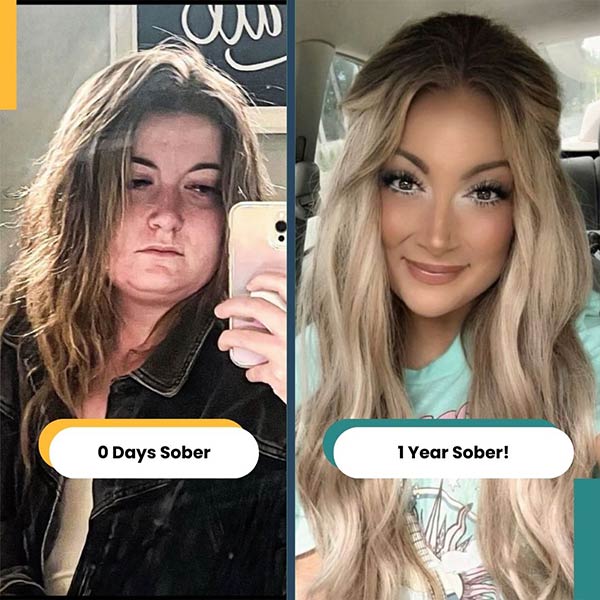
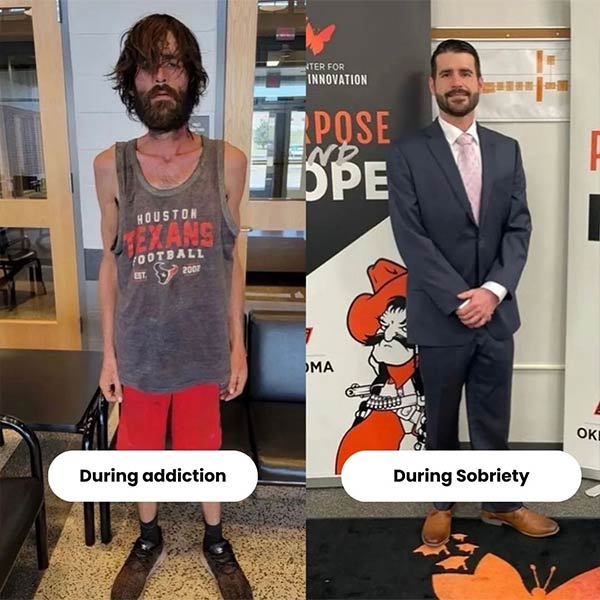
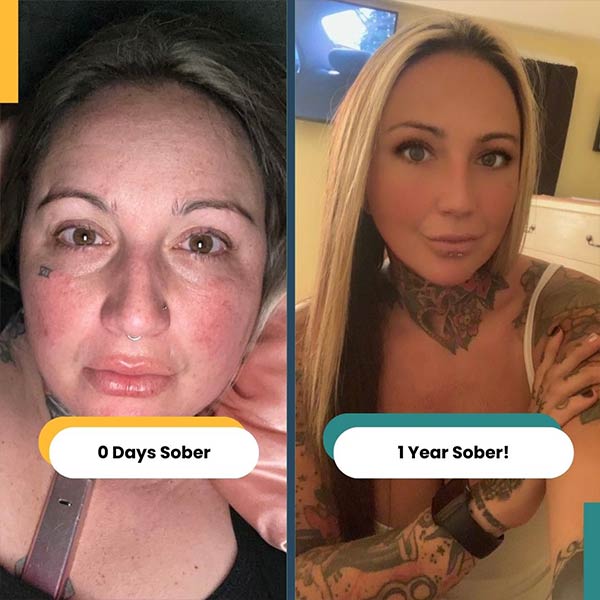
Talk to Admissions ConfidentiallyLiving Proof: Alumni in Recovery From Addiction
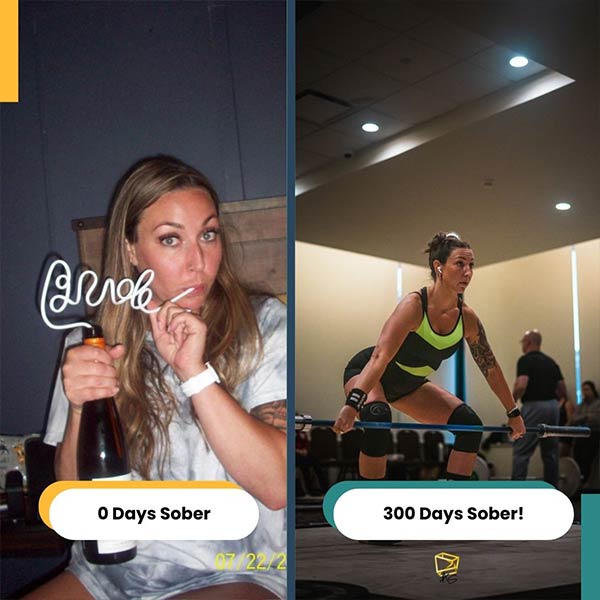
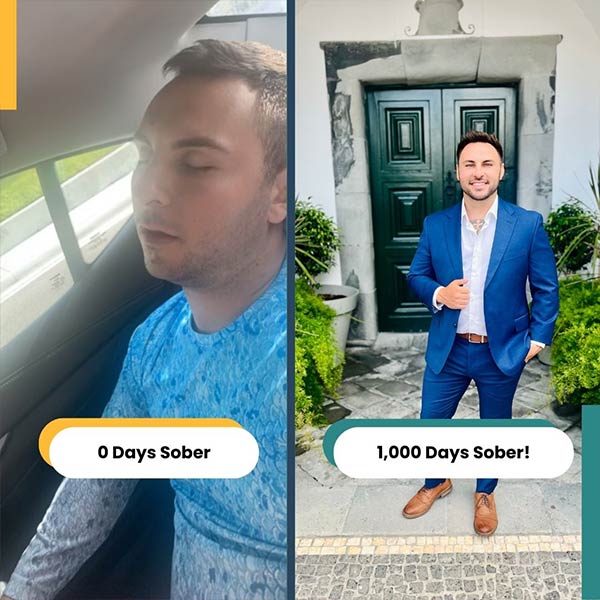
These are real before-and-after moments from people who completed treatment at Still Detox and built lasting sobriety. Each one reflects more than a physical change — it is a life no longer organized around a substance the nervous system had come to depend on for basic stability.
Why Stopping Barbiturates Without Medical Supervision Is Life-Threatening
Fatal Seizures Are Possible Without Warning
Barbiturate withdrawal can produce grand mal seizures in individuals with physical dependence. Seizures can begin within 16 hours of the last dose and can occur up to 5 days later, and after phenobarbital, withdrawal seizures have been reported for several weeks. There is no reliable self-assessment tool for predicting individual seizure risk.
The Narrowest Therapeutic Window in Addiction Medicine
Barbiturates have a narrow margin between a therapeutic dose and a lethal dose, and that margin shrinks as tolerance builds. Someone attempting to self-manage withdrawal by adjusting their own dose faces a genuine overdose risk — the same pharmacological property that made barbiturates clinically dangerous as a prescription class makes self-tapering without physician guidance acutely hazardous.
Underlying Conditions Return Without Clinical Management
Many clients using barbiturates have an underlying seizure disorder, anxiety condition, or chronic pain syndrome that the drug was originally managing. Stopping barbiturates without a clinical plan for those conditions means both the withdrawal risk and the untreated underlying condition must be managed simultaneously — a level of complexity that requires inpatient physician care, not home management.
Insurance and Payment for Barbiturate Addiction Treatment
Still Detox is an out-of-network provider for most insurance plans. Many clients with PPO plans that carry out-of-network benefits apply that coverage toward barbiturate detox and residential care. Our admissions team verifies your specific benefits at no cost and with no obligation before admission — so you have complete financial clarity before committing.
We confirm what your plan covers, walk through any out-of-pocket responsibility, and explain flexible payment options including monthly payment plans and promissory arrangements. Financial concerns should never delay someone from seeking medically necessary barbiturate detox.
🛡️
Coverage at a GlanceWhat most barbiturate detox clients can expect
- ✓Out-of-network PPO benefitsWe work with most major PPO carriers for barbiturate detox and residential care.
- ✓Real-time benefits verificationConfirmed before admission, at no cost and no obligation.
- ✓Flexible monthly payment plansPromissory arrangements available for qualifying clients.
- ✓Travel and transportation supportCoordinated for qualifying clients nationwide.
- ✓Secure payment processingBank transfer or card accepted.
Don't see your plan? Call us. Our specialists work with many coverage scenarios and will give you an honest answer before you make any commitment.
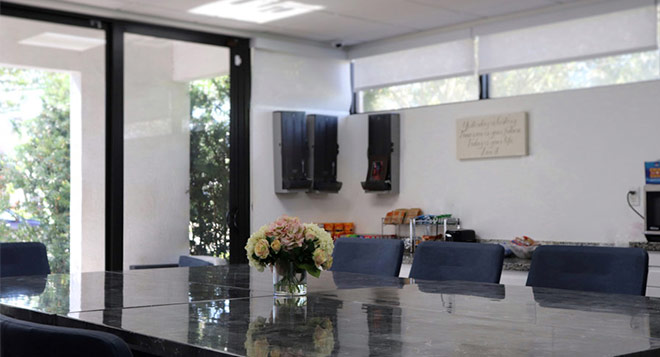
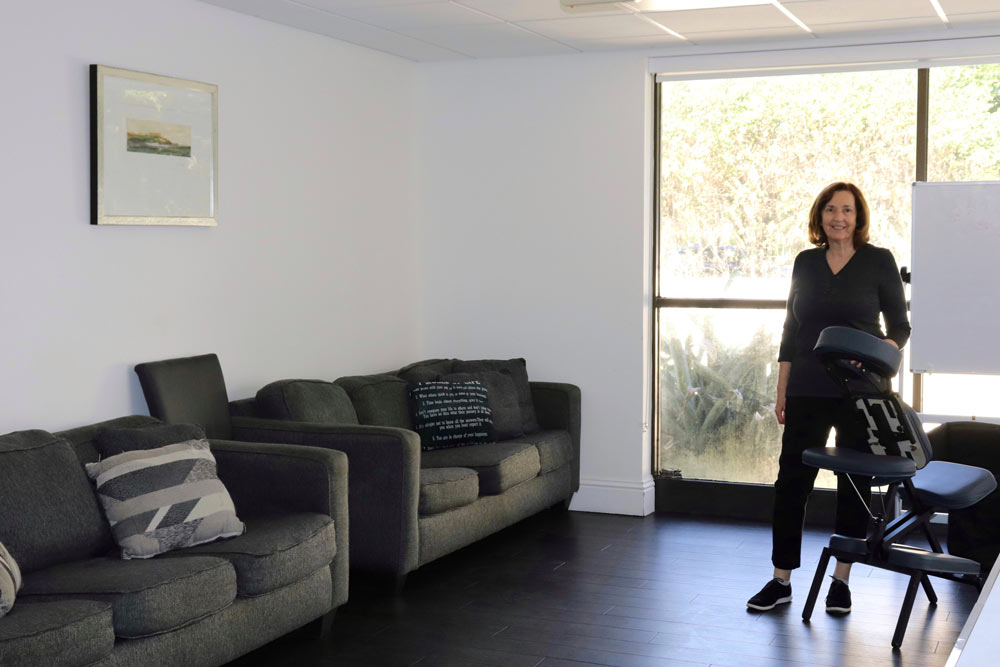
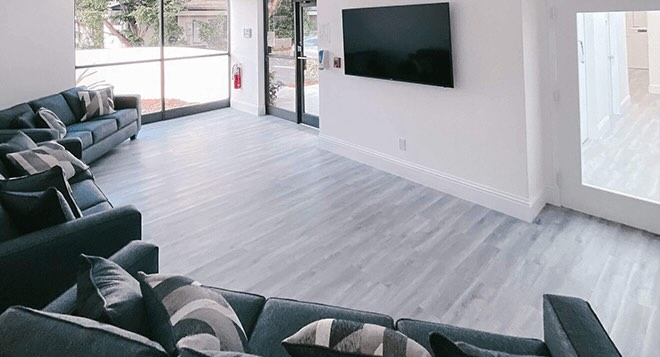
A Calm, Medically Equipped Environment for Barbiturate Recovery
Barbiturate withdrawal demands clinical precision in a setting that is calm enough to allow the nervous system to stabilize. Still Detox pairs hospital-adjacent medical infrastructure with an environment designed for recovery, not crisis management alone.
🍽️
Professional CateringThree daily meals with keto, gluten-free, dairy-free, and pescatarian options — supporting nutritional recovery during barbiturate detox
💆
Massage TherapyOn-site therapeutic massage to reduce muscle tension and anxiety during the withdrawal taper
🧘
Yoga and AcupunctureHolistic nervous system support as clinical complements to the barbiturate taper protocol
💧
IV Vitamin TherapyNutritional IV support to address deficiencies and support recovery during detox
🧠
Brain MappingSpecialized neurological assessment services relevant for clients with co-occurring seizure disorders
🏀
Basketball Court and BackyardSupervised outdoor recreation during the stabilization phase as clinically appropriate

Specialized Care for Complex Barbiturate Addiction Cases
⚡
Co-Occurring Seizure Disorders
Phenobarbital is a long-standing seizure medication. Many clients with barbiturate dependence have a genuine seizure disorder that required barbiturate treatment. Still Detox manages the detox and coordinates alternative seizure management with the client's neurologist — discontinuation does not mean abandoning epilepsy treatment.
🩹
Butalbital Dependence from Headache Medications
Butalbital-containing medications such as Fioricet and Fiorinal are approved for tension-type headaches. Regular use can lead to physical dependence and to medication overuse headache. Still Detox manages butalbital withdrawal and works with clients to identify non-barbiturate headache management strategies during residential care.
💊
Polysubstance Use and Combined Withdrawals
Barbiturates are frequently combined with alcohol, benzodiazepines, or opioids — combinations that dramatically increase overdose risk and complicate withdrawal management. Still Detox has the clinical infrastructure to manage multiple simultaneous CNS depressant withdrawals under physician supervision.
Barbiturate Addiction Treatment FAQ
Are barbiturates addictive?
Yes. Barbiturates carry a high potential for physical and psychological dependence. The DSM-5-TR classifies barbiturate addiction as sedative, hypnotic, or anxiolytic use disorder. Physical dependence can develop within weeks at high doses, and prolonged use at prescribed doses can also cause dependence. Tolerance builds with regular use, driving dose escalation. Benzodiazepines largely replaced barbiturates for anxiety and insomnia because of their better safety profile, especially in overdose.
What are the symptoms of barbiturate withdrawal?
Barbiturate withdrawal symptoms include anxiety, restlessness, insomnia, tremors, nausea, vomiting, abdominal cramps, elevated heart rate and blood pressure, sweating, and muscle weakness. In severe cases, barbiturate withdrawal produces grand mal seizures, delirium, hallucinations, and hyperthermia. Early withdrawal symptoms typically begin 8 to 12 hours after the last barbiturate dose, and seizures and delirium can begin within 16 hours. Barbiturate withdrawal can be fatal when unmanaged and requires immediate physician attention.
How long does barbiturate withdrawal last?
The timeline depends on whether the barbiturate is short-acting or long-acting. Short-acting barbiturates such as secobarbital and pentobarbital produce early withdrawal symptoms within 8 to 12 hours, and seizures and delirium can occur from about 16 hours up to 5 days after the last dose. Long-acting barbiturates such as phenobarbital leave the body slowly (adult half-life of about 53 to 118 hours), so withdrawal follows a longer course, and withdrawal seizures have been reported for several weeks after phenobarbital was stopped. Withdrawal symptoms gradually ease over about 15 days, and sleep problems can linger afterward.
Is it safe to stop barbiturates cold turkey?
No. Abrupt barbiturate discontinuation after physical dependence has formed is life-threatening. Barbiturate withdrawal can produce fatal grand mal seizures and delirium when unmanaged. Anyone physically dependent on any barbiturate — including commonly prescribed medications such as phenobarbital or butalbital — must discontinue under physician supervision using a structured phenobarbital stabilization and taper protocol.
What medications are used during barbiturate detox?
Barbiturate detox is managed using phenobarbital stabilization and a physician-directed graduated taper. Phenobarbital is a long-acting barbiturate that provides a controlled, measurable substitute for shorter-acting barbiturates and allows for a safer, more gradual reduction in CNS depressant levels. The stabilizing dose is determined by the client's specific drug, dose, and duration of use and is then tapered incrementally under daily physician assessment.
What is the difference between barbiturate and benzodiazepine addiction?
Both barbiturates and benzodiazepines are CNS depressants that enhance GABA activity and produce dangerous withdrawal syndromes requiring medical supervision. The key clinical difference is potency and safety margin. Barbiturates bind directly to the GABA-A chloride channel and produce a less selective, more pronounced CNS depression with a narrower therapeutic window. Barbiturate overdose is more easily reached and more lethal than benzodiazepine overdose. Like benzodiazepine withdrawal, barbiturate withdrawal can be fatal when unmanaged.
What happens after barbiturate detox at Still Detox?
After completing the phenobarbital taper and reaching clinical stability, clients step directly into residential treatment on the same campus with the same clinical team. The underlying condition that drove barbiturate use — whether epilepsy, anxiety, chronic headaches, or another condition — is addressed therapeutically in the residential program that begins where detox ends. No facility transfer, no new intake, no disruption to early recovery.
Begin Barbiturate Addiction Treatment at Still Detox
Barbiturate withdrawal is one of the most medically dangerous withdrawals in addiction medicine. It requires immediate physician supervision, phenobarbital stabilization, and an inpatient clinical environment adjacent to emergency services. Our team is on-site 24 hours a day, same-day assessments are available now, and residential care follows directly. Call now — this is not a situation to manage alone.
✓ Same-day assessments
✓ Insurance verified at no cost
✓ Confidential and HIPAA-compliant
✓ Nationwide admissions
Still Detox · Barbiturate Addiction Treatment · Boca Raton, FL
Address950 NW 9th Ct, Boca Raton, FL 33486
On the University Hospital campus, adjacent to Boca Regional Hospital
On the University Hospital campus, adjacent to Boca Regional Hospital
Phone(561) 556-2677 · Available 24/7
Admissions Hours24 hours a day · 7 days a week · Same-day assessments available
Service AreaBoca Raton, Delray Beach, Boynton Beach, West Palm Beach, Fort Lauderdale and Miami — plus nationwide admissions for barbiturate addiction treatment
We're here 24/7. Speak with admissions, confidentially and with no obligation.
☎ Call (561) 556-2677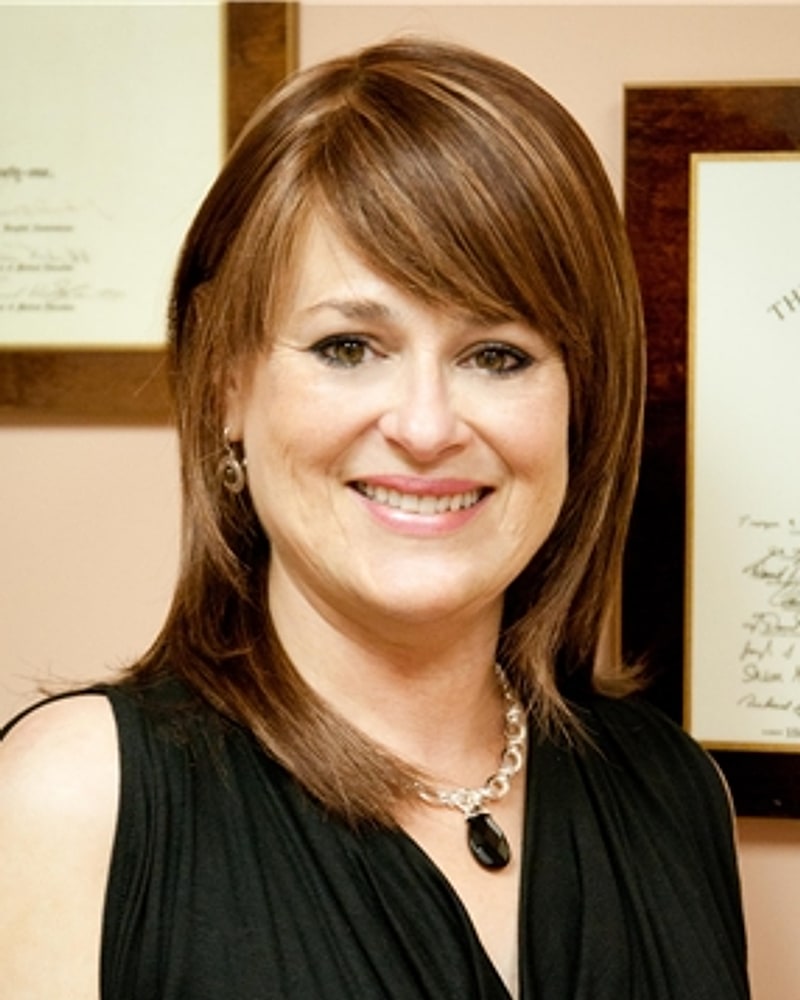
Medically reviewed by
Dr. Gladys Martinez, DO
Medical Director, Still Detox
Dr. Gladys Martinez, DO, is the Medical Director at Still Detox and a licensed osteopathic physician in Florida (license OS7477). Dr. Martinez evaluates every client in person within 24 hours of admission and oversees detox medication tapers. Read Dr. Gladys Martinez’s full bio.