


Still Detox provides medically supervised methamphetamine addiction treatment for adults in Boca Raton, Florida. Our board-certified Medical Director manages the meth crash, meth-induced psychosis, and the prolonged psychological withdrawal of methamphetamine use disorder — in a private, 14-bed setting adjacent to Boca Regional Hospital. Call now for a confidential, same-day assessment.
Free & confidential — takes about 60 seconds
 Joint Commission Accredited
 Florida DCF Licensed
 LegitScript Certified
 Psychology Today Verified
Methamphetamine addiction is classified by the DSM-5 as stimulant use disorder — amphetamine type — a chronic neurological condition defined by compulsive meth use despite significant harm to health, relationships, and daily functioning. Methamphetamine is a potent CNS stimulant that floods the brain with dopamine at levels far exceeding any natural reward stimulus. It crosses the blood-brain barrier rapidly, producing an intense immediate high. With repeated use, dopamine receptor density decreases, transporter function is impaired, and the brain's capacity for natural reward is severely diminished.
Methamphetamine is more neurotoxic than prescription amphetamines like Adderall due to its higher potency, faster brain penetration, and more intense dopamine release. Neuroimaging research documents measurable reductions in dopamine transporter density in heavy users — changes associated with lasting cognitive impairment, anhedonia, and depression. Recovery is possible, but requires clinical support and the sustained therapeutic environment that addresses what meth has done to the brain's capacity for natural motivation and pleasure.
Methamphetamine addiction produces neurological changes of a depth that makes self-cessation extremely difficult. The dopamine system, stripped of its natural function by artificial overstimulation, cannot produce normal levels of motivation, pleasure, or emotional regulation without the drug. Stopping meth without clinical support means stopping into a neurochemical deficit that is qualitatively different from ordinary unhappiness — it is a biological incapacity for reward that persists for weeks to months.
Unlike alcohol or benzodiazepine withdrawal, meth withdrawal does not require a medical taper and does not carry a fatal seizure risk. Clients are admitted directly into monitored stabilization. The primary clinical challenges are psychiatric: the crash brings severe depression and hypersomnia; meth-induced psychosis — paranoia, hallucinations, delusions — can persist for weeks after the last use and requires active antipsychotic management; and PAWS from methamphetamine is among the most prolonged of all stimulant withdrawal syndromes.
The co-occurrence of meth use disorder with depression, bipolar disorder, ADHD, and trauma is high. Dual diagnosis treatment is the clinical center of meth recovery — because stopping meth without addressing underlying psychiatric conditions means returning clients to the same neurological reality that drove use in the first place.

Methamphetamine use disorder requires a clinical environment equipped for psychiatric complexity — psychosis management, prolonged depression monitoring, and dual diagnosis infrastructure the meth population demands.
Our Medical Director evaluates and manages meth-induced psychosis during stabilization — including antipsychotic medication where clinically indicated. Paranoia, hallucinations, and delusional thinking that persist into withdrawal require active psychiatric monitoring.
Board-certified in addiction medicine, our Medical Director evaluates every client within 24 hours of admission. The meth crash, suicidal ideation risk, and prolonged psychiatric withdrawal are monitored and managed throughout stabilization.
Meth use disorder co-occurs with depression, bipolar disorder, ADHD, anxiety, and trauma at high rates. Our team evaluates and treats co-occurring conditions from the first clinical day — the neurological damage from meth cannot recover without addressing the drivers of use.
Located on the University Hospital campus, adjacent to Boca Regional Hospital. Emergency psychiatric and cardiovascular services are immediately accessible for any client requiring acute escalation during the meth crash or psychosis management.
Stabilization flows directly into inpatient residential treatment on the same campus. The prolonged PAWS from meth makes the residential therapeutic program — not detox alone — the foundation of durable recovery.
Every team member is fluent in English and Spanish. Service animals (dogs and cats) are welcome. Complete meth addiction treatment services are available to all adults regardless of language or companion animal status.
People arrive at Still Detox at their most vulnerable. Here is what they say about the care and the life found on the other side of meth addiction.
Meth withdrawal is more severe, more prolonged, and more psychiatrically complex than withdrawal from prescription amphetamines or cocaine — reflecting meth's higher potency and greater neurotoxicity. The dopamine crash after stopping is deeper and natural dopamine recovery is slower. The timeline and severity depend on duration and intensity of use, route of administration, co-occurring psychiatric conditions, and individual dopamine system baseline.
Unlike opioid or alcohol withdrawal, meth withdrawal onset is delayed — typically 24 hours or more after the last use. The crash arrives with extreme force: profound fatigue, hypersomnia (18 to 24 hours of sleep per day in the first days), extreme hunger after prior appetite suppression, deep depressive dysphoria, and intense cravings. Any psychotic symptoms from acute intoxication may persist into this phase.
Depression, anhedonia, cognitive fog, irritability, anxiety, and cravings reach peak intensity. Sleep gradually normalizes but remains disrupted. Meth-induced psychosis — paranoia, hallucinations, delusional thinking — persists in heavy users throughout this window and requires active psychiatric monitoring and antipsychotic management. Suicidal ideation in individuals with co-occurring depression requires clinical vigilance.
Physical symptoms substantially resolve. Mood begins a gradual upward trajectory but remains well below normal baseline. Cognitive function — concentration, memory, decision-making — slowly returns but can remain impaired for weeks in heavy long-term users. Cravings remain significant and can be triggered by environmental cues, emotional states, or stress throughout this window.
PAWS from methamphetamine is among the most prolonged of any stimulant. Depression, anhedonia, low motivation, cognitive difficulty, and cue-triggered cravings persist for months. Dopamine transporter recovery takes 12 to 14 months per neuroimaging research. Sustained residential therapeutic support addressing co-occurring conditions is the evidence-based response to this timeline.

Knowing what to expect removes one of the biggest barriers to picking up the phone. Here is how meth addiction treatment works from first call through residential care.
Admissions gathers your meth use history, route of use, current psychiatric symptoms, and co-occurring conditions. PPO benefits verified before you commit. Travel coordinated before arrival.
A call within three days covers your full substance and psychiatric history — including any history of psychosis, bipolar disorder, ADHD, or trauma — so the team has a complete picture on day one.
A nurse and behavioral health tech handle intake together. Psychiatric screening for psychotic symptoms, suicidal ideation, and mood instability begins at admission. Urine toxicology identifies any other substances. No medical taper required — direct admission to monitored stabilization.
Within 24 hours the Medical Director completes a history and physical. Psychiatric evaluation, dual diagnosis assessment, and psychosis management plan are established. Antipsychotic medication available for clients with active meth-induced psychosis.
Vital signs monitored regularly. Active psychiatric monitoring for psychosis, depression, and suicidal ideation. Comfort medications address insomnia, anxiety, and mood instability. Typical stabilization stay is 7 to 10 days.
Around day 8, you step directly into residential treatment on the same campus — same team, same setting. The depression, trauma, and psychiatric conditions driving meth use are addressed without disruption or transfer.
The DSM-5 classifies methamphetamine addiction as stimulant use disorder — amphetamine type — using 11 diagnostic criteria. Any 2 or more in a 12-month period constitutes a diagnosis. Meth's higher neurotoxicity vs. prescription amphetamines means disorder progression is often faster and more severe.
Using meth in larger amounts or over longer periods than planned. Binge use patterns — using continuously over multiple days without sleep — are common with meth and reflect the drug's ability to suppress the body's rest signals.
A persistent desire to stop combined with repeated unsuccessful attempts. The depth of neurochemical deficit during the crash — utter absence of natural reward capacity — makes self-cessation feel neurologically impossible without clinical support.
Multi-day binge-crash cycles consuming entire weeks, progressively eliminating all other life functions, relationships, and responsibilities as the disorder advances.
A powerful urge to use meth, emerging at peak intensity during the crash when the dopamine deficit is most severe. Environmental cues — locations, people, situations — trigger conditioned responses that persist for months after the last use.
The binge-crash cycle makes sustained reliable functioning impossible — days of high productivity during use followed by days of complete incapacity during the crash, progressively destroying work and family capacity.
Persisting with meth despite conflict with family or partners. Paranoia, erratic behavior, dishonesty, financial instability, and social isolation from meth use create severe, escalating relationship damage.
Giving up hobbies, career, and valued relationships in order to use meth. The physical transformation of heavy use — weight loss, dental deterioration, skin changes — accelerates social withdrawal as disorder severity advances.
Using meth while driving, combining with alcohol or opioids, or using during meth-induced psychosis when judgment is severely impaired. Cardiovascular events — heart attack, stroke — can occur during meth intoxication even in young adults.
Persisting despite awareness of severe weight loss, dental deterioration, cardiovascular damage, meth-induced psychosis, cognitive impairment, and documented neurotoxic effects on the dopamine system with chronic use.
Requiring larger meth doses to achieve the same effect. Tolerance develops faster than with prescription amphetamines, driving rapid dose escalation and deepening neurological damage with each upward adjustment.
Experiencing the meth crash: profound fatigue, extreme hypersomnia, severe depression, dysphoric mood, intense cravings, and cognitive fog when meth is stopped. Persistent psychotic symptoms and suicidal ideation during the crash signal high disorder severity requiring immediate clinical support.
DSM-5 stimulant use disorder criteria — amphetamine type. If meth has become impossible to control or is producing severe depression or psychosis, call now — do not manage this alone.
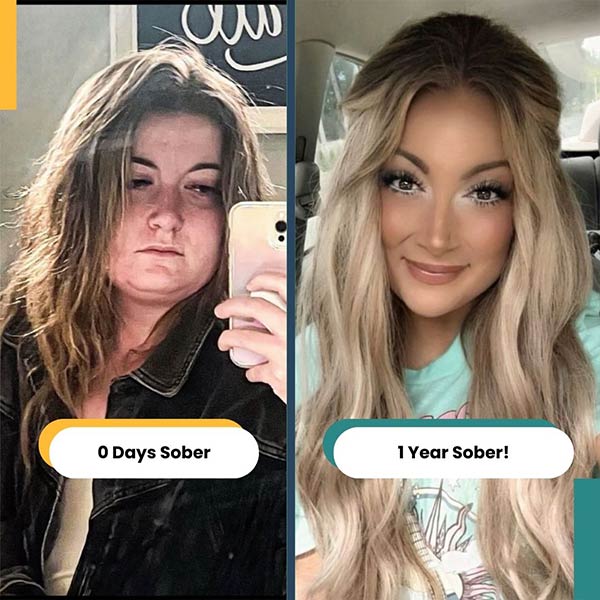
Talk to Admissions ConfidentiallyThese are real before-and-after moments from people who completed treatment at Still Detox. Each one reflects what the brain is capable of when it is given time, structure, and clinical support to rebuild its own dopamine system.




Meth-induced psychosis can persist for weeks after the last use. Without active antipsychotic management during this window, psychiatric symptoms drive either immediate relapse — as the only perceived relief from terror and paranoia — or dangerous behavior. This is the primary clinical reason meth withdrawal requires inpatient psychiatric monitoring, not just time and rest.
The dopamine deficit during the meth crash produces a depth of depression and anhedonia that is neurological in origin. Without residential structure removing access and providing clinical support through this window, the neurological pressure to use is overwhelming. Most unsupported attempts to stop meth fail in the first 24 to 72 hours of the crash.
Post-acute withdrawal syndrome from meth extends for months. During this window — with cognitive impairment, anhedonia, and emotional blunting as the baseline — underlying psychiatric conditions return in full force. Dual diagnosis residential treatment is the difference between detox and durable recovery for the meth population.
Still Detox is an out-of-network provider. Many clients with PPO plans that carry out-of-network benefits apply that coverage toward meth addiction treatment and residential care. Our admissions team verifies your specific benefits at no cost and with no obligation before admission.
We confirm what your plan covers, walk through any out-of-pocket responsibility, and explain flexible payment options including monthly payment plans. Cost should never be the reason someone does not receive meth addiction treatment.
Don't see your plan? Call us. Our specialists work with many coverage scenarios and will give you an honest answer about what is covered.
The meth crash leaves the dopamine system depleted to its lowest point. Our facility provides the clinical structure, nutrition, and natural dopamine-recovery activities the brain needs to begin rebuilding what methamphetamine has damaged.



Heavy meth use can produce psychosis indistinguishable from primary schizophrenia during the acute window. Still Detox's Medical Director manages active psychotic symptoms with appropriate medication while the clinical team differentiates meth-induced from primary psychiatric psychosis over the stabilization period.
Heavy long-term meth use causes measurable lasting changes to dopamine transporter density and cognitive function. Recovery takes 12 to 14 months per neuroimaging research. Still Detox's team works with this timeline — setting realistic expectations and building the therapeutic foundation for the full arc of cognitive and emotional recovery.
Meth is frequently combined with alcohol, opioids, or benzodiazepines. Still Detox manages stabilization from meth alongside simultaneous withdrawal from other substances under physician supervision — one of the most complex presentations in addiction medicine.
Meth addiction is a neurological condition — and recovery is possible. The brain is capable of rebuilding what methamphetamine has damaged, but it requires time, clinical structure, and the right therapeutic environment. Our team is on-site 24 hours a day, same-day assessments are available now, and the residential care that bridges the most dangerous PAWS window begins immediately after stabilization.
We're here 24/7. Speak with admissions, confidentially and with no obligation.
☎ Call (561) 556-2677


