


Still Detox provides 24/7 medically supervised benzodiazepine addiction treatment and detox for adults in Boca Raton, Florida. Our board-certified Medical Director manages withdrawal from all benzodiazepines — including Xanax (alprazolam), Ativan (lorazepam), Valium (diazepam), and Klonopin (clonazepam) — using individualized taper protocols in a private, 14-bed setting adjacent to Boca Regional Hospital. Benzodiazepine withdrawal can be fatal. Call now for a same-day assessment.
Free & confidential — takes about 60 seconds
 Joint Commission Accredited
 Florida DCF Licensed
 LegitScript Certified
 Verified by Psychology Today
Benzodiazepine addiction is classified by the DSM-5 as sedative, hypnotic, and anxiolytic use disorder — a chronic condition defined by compulsive benzodiazepine use despite significant harm to health, relationships, or daily functioning. Benzodiazepines are a class of central nervous system depressants that enhance the inhibitory activity of GABA by binding to the GABA-A receptor complex, increasing chloride ion influx and reducing neuronal excitability. They are among the most widely prescribed medications in the United States, with an estimated 30.6 million adults using benzodiazepines each year.
Physical dependence on benzodiazepines can develop after as few as 4 to 6 weeks of regular use at prescribed therapeutic doses — a risk that is underrecognized both by prescribers and patients. The FDA issued a black box warning on all benzodiazepines in 2020 highlighting the risks of abuse, dependence, withdrawal, and overdose. Benzodiazepine withdrawal shares its core mechanism and seizure risk with alcohol withdrawal — both produce CNS hyperexcitability when the drug is removed — and both require physician-supervised taper to discontinue safely.
Benzodiazepines work by potentiating GABA-A receptor activity, the brain's primary inhibitory system. With chronic use, the GABA system downregulates — receptor sensitivity decreases and receptor density changes as the brain compensates for continuous pharmacological inhibition. When benzodiazepines are abruptly removed, the result is a neurological rebound: the nervous system, accustomed to artificial suppression, rebounds into a state of intense excitability that can produce seizures, hallucinations, and cardiovascular instability.
Benzodiazepine withdrawal seizures are well-documented and can occur even in individuals who have used benzodiazepines at therapeutic doses for extended periods. The severity of the withdrawal syndrome depends on the specific benzodiazepine's half-life, dosage, duration of use, rate of discontinuation, and individual neurological factors. Short-acting benzodiazepines such as Xanax produce faster and more intense withdrawal onset than long-acting ones such as Valium — a critical pharmacological distinction that drives different taper strategies.
At Still Detox, every benzodiazepine detox begins with a Medical Director evaluation within 24 hours of admission. The taper protocol — often using diazepam (Valium) as a substitution agent for its longer half-life and smoother taper curve — is individualized to the client's specific benzo, dosage, and clinical history. Vital signs are monitored every four hours throughout the acute window.

Benzodiazepine withdrawal is medically serious and individualized. It requires physician-level oversight, a pharmacologically precise taper, and immediate access to emergency services if withdrawal escalates.
Our Medical Director, board-certified in addiction medicine, evaluates every client within 24 hours of admission and establishes an individualized taper protocol. Withdrawal severity is formally assessed daily and taper adjustments are made in real time throughout your stay.
Located on the University Hospital campus, directly adjacent to Boca Regional Hospital. Emergency neurological and cardiovascular services are immediately available for any client whose benzodiazepine withdrawal requires acute escalation beyond our clinical setting.
Private rooms, professional catering, and a calm setting designed to reduce the anxiety rebound and sensory hypersensitivity that characterize benzodiazepine withdrawal — managed without the chaos of a hospital ward or the isolation of home.
Benzodiazepine detox flows directly into inpatient residential treatment on the same campus. The anxiety disorder, PTSD, or sleep disorder that drove initial benzodiazepine use is addressed in the program that follows detox — on the same team, in the same setting.
Every team member, from behavioral health techs through the Medical Director, is fluent in English and Spanish. Complete benzodiazepine addiction treatment services are available in Spanish.
Unlike most facilities, Still Detox fully accommodates legitimate service animals during benzodiazepine addiction treatment. Dogs and cats are welcome. Recovery should never require leaving your companion behind.
People come to Still Detox at their most vulnerable. Here is what they say about the care, the clinical team, and the recovery they found on the other side of benzodiazepine addiction.
The withdrawal timeline differs substantially across benzodiazepines based on each drug's half-life. Short-acting benzodiazepines produce rapid, intense withdrawal onset. Long-acting benzodiazepines produce a more gradual onset with a longer, lower-intensity withdrawal course. This pharmacological distinction is one of the most important factors in determining the appropriate taper strategy — and in understanding how dangerous unsupported discontinuation can be for any given benzo.
Withdrawal onset begins within 6 to 12 hours of the last dose. Peak severity occurs between days 1 and 4. Symptoms include intense rebound anxiety, panic attacks, insomnia, tremors, sweating, and elevated vital signs. Seizure risk is highest in this window. Short-acting benzodiazepines such as Xanax (alprazolam) carry the most intense and clinically unpredictable withdrawal profile. Ativan (lorazepam) sits in the intermediate range with onset typically within 1 to 2 days.
Withdrawal onset from Valium (diazepam), Klonopin (clonazepam), and Librium (chlordiazepoxide) begins within 24 to 72 hours of the last dose and follows a more gradual course over 2 to 4 weeks. The prolonged half-life provides a degree of self-tapering — but does not eliminate seizure risk in high-dose long-duration dependence. Still Detox often uses diazepam substitution as the taper agent for its long half-life and clinical controllability.
Regardless of the specific benzodiazepine, the acute withdrawal phase covers the period of highest medical risk. Symptoms include rebound anxiety, insomnia, tremors, nausea, muscle pain, cognitive difficulty, sensory hypersensitivity, elevated heart rate and blood pressure, and — in significant dependence — seizures, hallucinations, and delirium. Physician monitoring and taper management are essential throughout this window.
Protracted benzodiazepine withdrawal syndrome is a recognized clinical phenomenon in which withdrawal symptoms persist beyond the expected acute window — sometimes for months to over a year. Symptoms include chronic anxiety, insomnia, cognitive impairment, sensory hypersensitivity, emotional dysregulation, and muscle pain. It is most pronounced after long-term high-dose use and is a major driver of relapse without sustained residential therapeutic support.

Every benzodiazepine taper at Still Detox is individualized to the specific drug, dose, and duration of use. We manage withdrawal from all benzodiazepines, classified below by their clinical half-life profile.
These benzodiazepines produce faster withdrawal onset and more intense acute symptoms. Withdrawal can begin within hours of the last dose and peak within 1 to 4 days.
These benzodiazepines produce slower withdrawal onset — often 24 to 72 hours after the last dose — but sustained symptoms over a longer period. Seizure risk remains present in high-dose dependence.
Knowing what to expect removes one of the biggest barriers to picking up the phone. Here is how benzodiazepine addiction treatment at Still Detox works from first contact through residential care.
Your admissions representative gathers your benzodiazepine use history, specific drug, current dose, and co-occurring conditions. Out-of-network PPO benefits are verified before you commit. Travel and logistics are coordinated before your arrival.
A pre-admission call within three days of arrival covers your full benzodiazepine history, psychiatric history, and co-occurring anxiety, PTSD, insomnia, or mood disorders — so the clinical team has a complete picture before day one and the taper protocol is ready at admission.
A nurse and behavioral health tech meet you together for a structured intake: documents, informed consent, baseline vitals, and urine toxicology. Taper medication is available immediately to prevent acute withdrawal from advancing unchecked.
Within 24 hours, the Medical Director completes a full history and physical and establishes your individualized taper schedule — often using diazepam substitution for its clinical controllability. The taper rate is calibrated to your specific benzo, dose, and medical history.
Vital signs monitored every four hours throughout the acute window. Formal withdrawal assessment drives taper adjustments daily. Comfort medications address rebound anxiety, insomnia, elevated blood pressure, and nausea. Typical stay is 7 to 14 days, longer for high-dose long-duration dependence.
Once clinical stability is established, you step directly into residential treatment on the same campus. The anxiety, trauma, or sleep disorder that drove benzo use is addressed therapeutically without returning to benzodiazepines as the solution.
The DSM-5 classifies benzodiazepine addiction as sedative, hypnotic, and anxiolytic use disorder, using 11 diagnostic criteria. A diagnosis requires 2 or more criteria in a 12-month period. Mild is 2 to 3; moderate is 4 to 5; severe is 6 or more. Importantly, physical dependence can develop in individuals following a legitimate prescription — the presence of withdrawal symptoms alone is clinically significant, regardless of whether a formal use disorder diagnosis applies.
Taking benzodiazepines in higher doses or more frequently than prescribed or planned. Common in individuals whose prescribed dose no longer controls anxiety, driving incremental escalation that eventually crosses into physical dependence.
A persistent desire to reduce or discontinue benzodiazepine use combined with repeated unsuccessful efforts. The emergence of withdrawal symptoms — anxiety, insomnia, tremors — within hours to days of dose reduction makes self-discontinuation feel neurologically impossible and physically dangerous.
Spending significant time obtaining benzodiazepines, taking them, or managing their effects. This includes filling prescriptions early, visiting multiple prescribers, or structuring daily activities around dosing schedules to avoid withdrawal onset.
A strong urge to use benzodiazepines, frequently driven by the onset or anticipation of withdrawal symptoms rather than pursuit of sedation or euphoria. In benzodiazepine dependence, craving is the nervous system's signal that GABA receptor function is destabilizing.
Benzodiazepine use that interferes with work, academic performance, or family responsibilities. Sedation, cognitive blunting, anterograde amnesia, and impaired coordination associated with regular benzodiazepine use progressively erode functional capacity.
Persisting with benzodiazepine use despite conflict with family members or partners caused or worsened by the drug. Emotional withdrawal, memory impairment, and behavioral changes from chronic benzodiazepine use are common interpersonal stressors.
Giving up hobbies, social engagement, or valued activities in order to use benzodiazepines or to avoid situations where a dose might be missed and withdrawal triggered. Social withdrawal progressively deepens as the disorder advances.
Using benzodiazepines while driving, operating machinery, or combining them with alcohol or opioids. The FDA black box warning on all benzodiazepines specifically flags the risk of respiratory depression and death when combined with opioids — a combination responsible for a substantial proportion of overdose deaths.
Persisting with benzodiazepine use despite awareness of physical or psychological harm including cognitive impairment, memory loss, increased fall risk in older adults, depressive symptoms, and paradoxical anxiety — all documented consequences of long-term benzodiazepine use.
Requiring significantly higher benzodiazepine doses to achieve the same anxiolytic, sedative, or hypnotic effect, or finding that the prescribed dose no longer provides its intended relief. Tolerance is a marker of GABA-A receptor downregulation and is a direct indication of advancing physical dependence.
Experiencing rebound anxiety, insomnia, tremors, sweating, elevated heart rate, nausea, sensory hypersensitivity, or seizures when benzodiazepines are delayed or stopped. The presence of withdrawal symptoms is the most clinically urgent criterion — and the clearest indicator that medically supervised taper is required before any attempt at discontinuation.
Source: DSM-5 sedative, hypnotic, and anxiolytic use disorder criteria. Any 2 or more in a 12-month period constitutes a diagnosis. If benzodiazepine use has become difficult to control or stop, speak with a physician before attempting discontinuation.
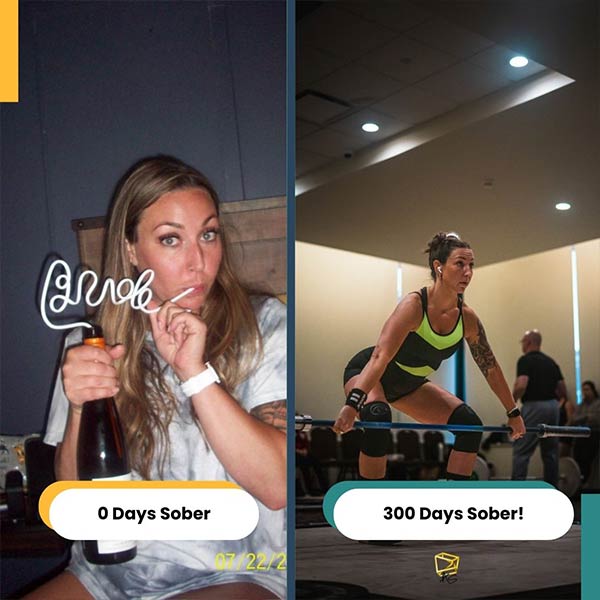
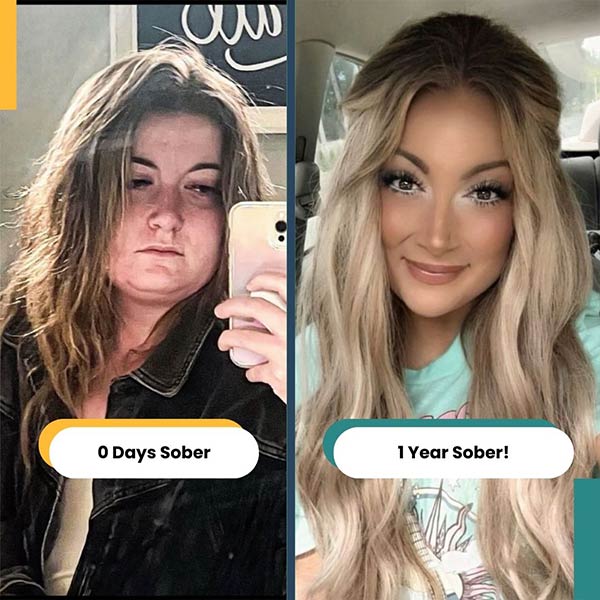
Talk to Admissions ConfidentiallyThese are real before-and-after moments from people who completed treatment at Still Detox and built lasting sobriety. Each one reflects a nervous system that learned to generate calm without a chemical crutch — and a life rebuilt around that foundation.



Benzodiazepine withdrawal seizures are documented in individuals using benzos at therapeutic doses for extended periods. Risk is highest with short-acting benzodiazepines, abrupt discontinuation, longer duration of use, and prior withdrawal history. Seizure risk cannot be reliably self-assessed without clinical evaluation.
Rebound anxiety during benzodiazepine withdrawal routinely surpasses the anxiety that originally led to the prescription. The nervous system rebounds into a hyperexcitable state, making unsupported discontinuation feel impossible and driving relapse within days for many clients without clinical support.
Protracted benzodiazepine withdrawal syndrome extends anxiety, insomnia, cognitive impairment, and sensory hypersensitivity for months. Without residential treatment addressing the underlying anxiety disorder or trauma, PAWS symptoms consistently return people to benzodiazepines as the only relief they know.
Still Detox is an out-of-network provider for most insurance plans. Many clients with PPO plans that carry out-of-network benefits apply that coverage toward benzodiazepine detox and residential treatment. Our admissions team verifies your specific benefits at no cost and with no obligation before admission.
We confirm what your plan covers, walk through any out-of-pocket responsibility, and explain flexible payment options including monthly payment plans and promissory arrangements. Financial concerns should never delay medically necessary benzodiazepine detox.
Don't see your plan? Call us. Our specialists work with many coverage scenarios and will give you an honest answer about what your plan covers.
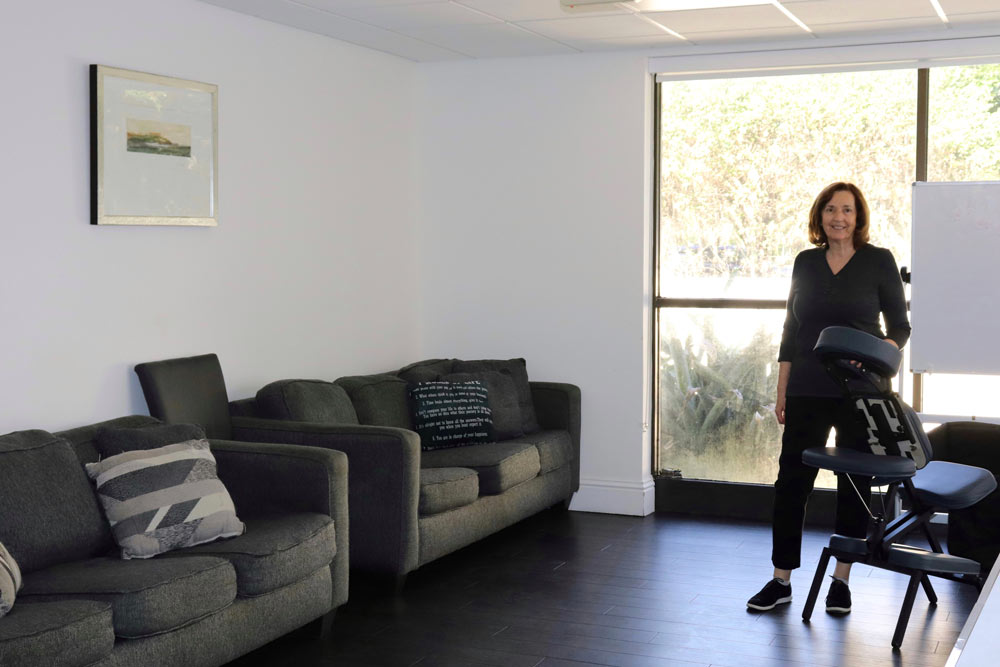
Benzodiazepine withdrawal produces intense anxiety and sensory hypersensitivity. Our facility is structured, calm, and clinically equipped for the nervous system recalibration that benzo recovery demands.



Benzodiazepines are most commonly prescribed for anxiety disorders. Still Detox treats both the physical dependence and the underlying anxiety disorder concurrently — using non-benzodiazepine alternatives so that stopping benzos does not mean returning to unmanaged anxiety.
Extended high-dose benzodiazepine use requires a longer, more gradual taper. Still Detox manages complex taper protocols for clients who have been on benzodiazepines for years at high doses — cases that require clinical precision well beyond standard detox protocols.
Benzodiazepines are frequently combined with alcohol, opioids, or other prescription medications. Still Detox manages simultaneous CNS depressant withdrawals under physician supervision — one of the most complex detox scenarios in addiction medicine.
Benzodiazepine withdrawal requires physician-level oversight, an individualized taper, and inpatient clinical infrastructure adjacent to emergency services. Our team is on-site 24 hours a day, same-day assessments are available, and residential care follows directly. One call starts the process.
We're here 24/7. Speak with admissions, confidentially and with no obligation.
☎ Call (561) 556-2677


