


Dual Diagnosis Treatment Center · Boca Raton, Florida
Dual Diagnosis Treatment in Boca Raton, FL
Still Detox provides integrated dual diagnosis treatment for adults with co-occurring substance use and mental health disorders in Boca Raton, Florida. Our Medical Director, licensed nurses, and clinical team treat addiction and the underlying psychiatric condition together, on one campus. Call now for a confidential, same-day assessment.
✓ 24/7 nursing coverage
✓ Integrated psychiatric care
✓ 14-bed private setting
✓ Beside Boca Regional Hospital
Verify Your Insurance
Free & confidential — takes about 60 seconds
 Joint Commission Accredited
 Florida DCF Licensed
 LegitScript Certified
 Verified by Psychology Today
What Is Dual Diagnosis?
Dual diagnosis is the presence of a substance use disorder and a mental health disorder in the same person at the same time. The terms dual diagnosis and co-occurring disorders describe the same clinical situation. Common pairings include alcohol dependence with depression, opioid addiction with PTSD, stimulant use with anxiety, and benzodiazepine dependence with bipolar disorder.
The two conditions feed each other. A person may drink or use to quiet anxiety, intrusive memories, or low mood, and the substance then deepens the psychiatric symptoms over time. Treating only the addiction leaves the mental health driver intact, and treating only the mental illness leaves the substance use free to undo the progress. This is why integrated treatment that addresses both at once produces more durable recovery than addressing either alone.
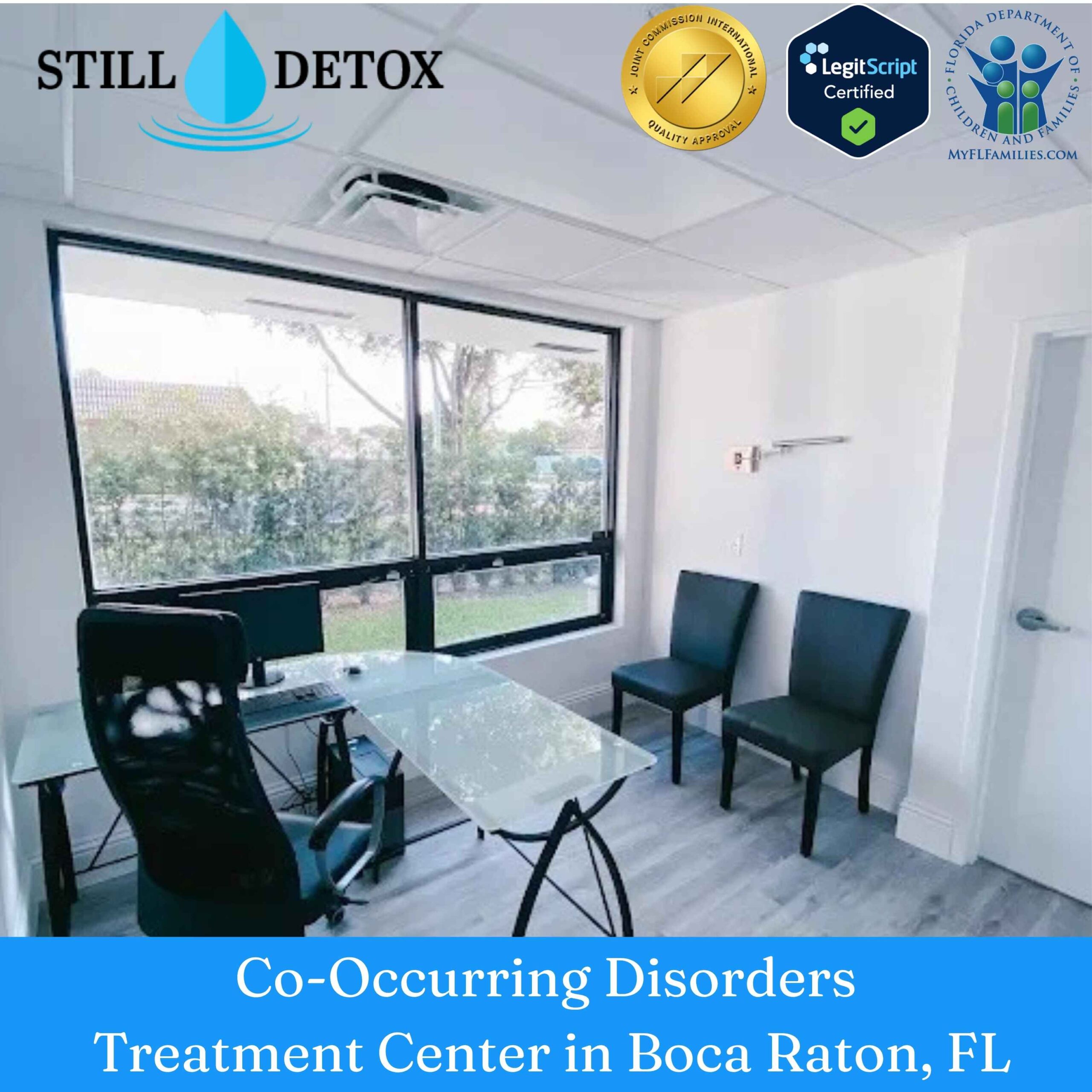
At Still Detox, a Medical Director evaluates you in person within 24 hours, the clinical team screens for co-occurring psychiatric conditions on intake, and your treatment plan combines medical stabilization with psychiatric care in a calm, 14-bed private setting rather than a crowded hospital ward. Care begins with inpatient medical detoxification when a substance requires it, then continues into integrated dual diagnosis programming.
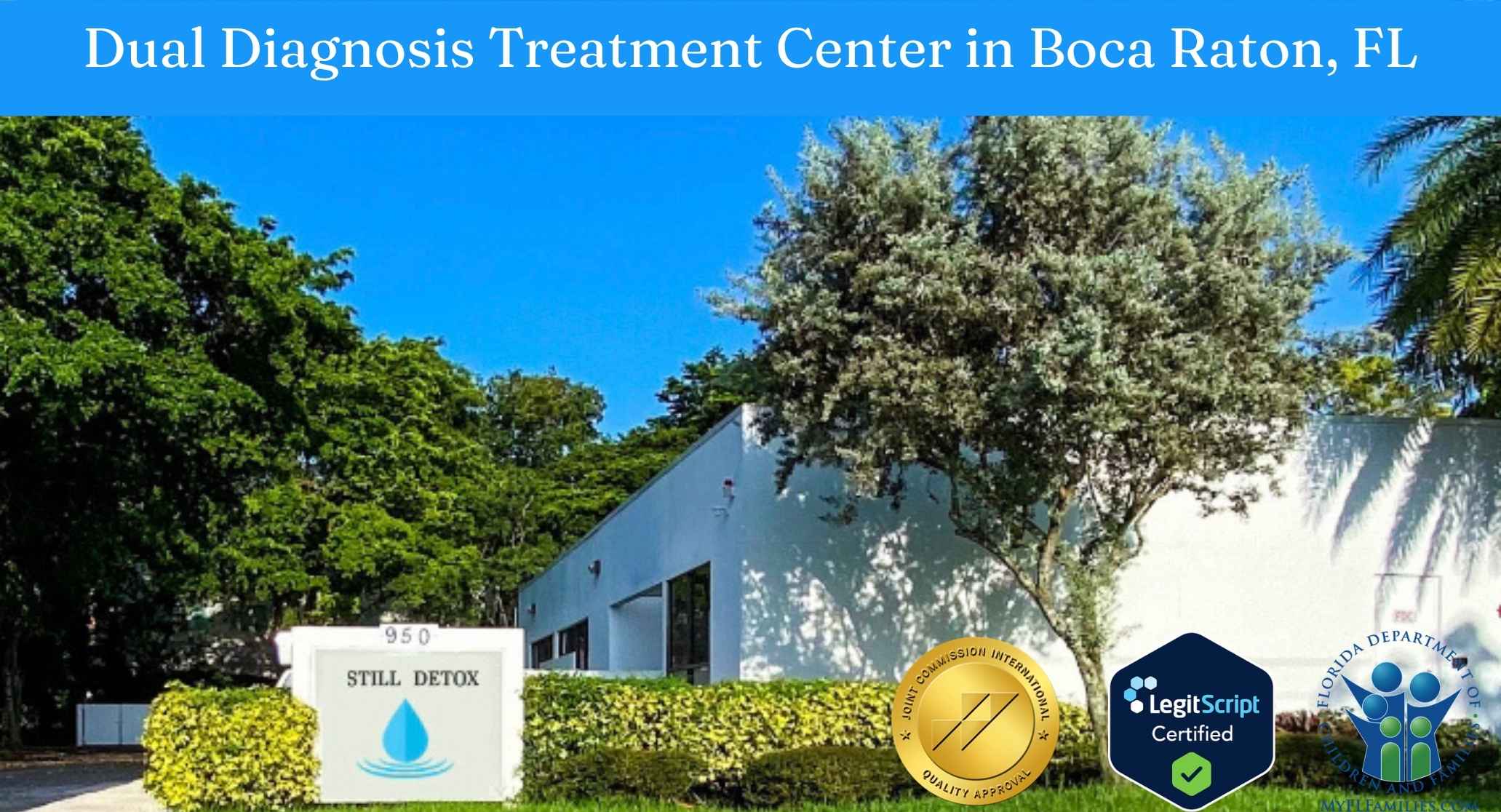
Why Choose Still Detox in Boca Raton for Dual Diagnosis Treatment
Concierge-level integrated care without the hospital setting, where addiction and mental health are treated together by one team.
🧠
Integrated Psychiatric Care
Addiction and the co-occurring mental health condition are treated together by a single clinical team, not handed off between disconnected providers.
🩺
24/7 Medical Oversight
Round-the-clock nursing coverage with a minimum 1:7 detox staff ratio. Our Medical Director performs a full history and physical within 24 hours of admission.
🏥
On a Hospital Campus
Located on the University Hospital campus, adjacent to Boca Regional Hospital, so emergency and psychiatric services are immediately available if ever needed.
🐾
Service Animals Welcome
Unlike most facilities, we fully accommodate legitimate service animals, dogs and cats, so you never have to choose between recovery and your companion.
🗣️
Fully Bilingual Care
Every member of our team, from behavioral health techs to the Medical Director, is fluent in English and Spanish, with full treatment available in Spanish.
🔄
A Real Continuum
Detox steps directly into residential dual diagnosis treatment around day 8. No changing facilities, no losing your clinical team, no starting your intake over.
Real Reviews From Our Boca Raton Patients
People come to Still Detox at their most vulnerable. Here's what they say about the care, the staff, and their recovery.


Co-Occurring Conditions We Treat
Dual diagnosis pairs a substance use disorder with a psychiatric condition. Our clinical team treats both sides of the diagnosis together, with protocols calibrated to your substances, your mental health history, and your medical risks.
Substance Use Disorders Detox & stabilization
We detox and treat every major substance, including those that require a monitored, physician-guided medical taper.
Mental Health Conditions Psychiatric care
These psychiatric conditions commonly co-occur with addiction and are treated alongside it in our integrated program.
DepressionAnxiety disordersPTSD & trauma
Bipolar disorderPanic disorderMood disorders
How Integrated Dual Diagnosis Treatment Works
Integrated treatment for co-occurring disorders means one clinical team addresses the addiction and the mental health condition in the same plan, at the same time, in the same place. At Still Detox, that plan moves through four clinical phases as you stabilize and the underlying condition becomes treatable.
Phase 1 · Assessment & Screening
On intake, the clinical team screens for co-occurring psychiatric conditions alongside your substance use history. The Medical Director completes a full history and physical within 24 hours, and a psychiatric picture is built before the treatment plan is set.
Phase 2 · Medical Stabilization
When a substance such as alcohol, benzodiazepines, or opioids requires it, withdrawal is managed first with comfort-focused, individualized taper schedules. Vital signs are monitored every four hours. A clearer psychiatric assessment is possible once the body is stable.
Phase 3 · Integrated Therapy
Evidence-based therapies address both conditions together. Cognitive Behavioral Therapy (CBT) reframes the thought patterns that drive use, Dialectical Behavior Therapy (DBT) builds emotional regulation, and Medication-Assisted Treatment stabilizes psychiatric symptoms and manages cravings where indicated.
Phase 4 · Step-Down to Residential
Around day 8, you transition directly into long-term residential treatment on the same campus with the same team. The dual diagnosis work continues without restarting your intake or changing facilities.
What to Expect During Dual Diagnosis Treatment at Still Detox
Knowing what to expect removes one of the biggest barriers to picking up the phone. Here's exactly how it works.
01
Confidential Call & Insurance
Your admissions representative gathers your history, verifies your out-of-network benefits, and coordinates everything from travel to childcare and pet care.
02
Pre-Assessment
A pre-admission call within three days of your date covers your full substance-use and mental health history so we're ready the moment you arrive.
03
Arrival & Intake
You're met by a nurse and tech together. Document signing, physical assessment, baseline vitals, and co-occurring condition screening happen in your first hours.
04
Medical & Psychiatric Evaluation
Within 24 hours the Medical Director completes a full history and physical, and your individualized dual diagnosis treatment plan is established.
05
Integrated Treatment
Medical stabilization, psychiatric care, and evidence-based therapy run together, with vital signs monitored every four hours over a typical 7–10 day detox stay.
06
Seamless Step-Down
Around day 8 you transition directly into residential treatment, same team, same campus, no restarting your recovery.
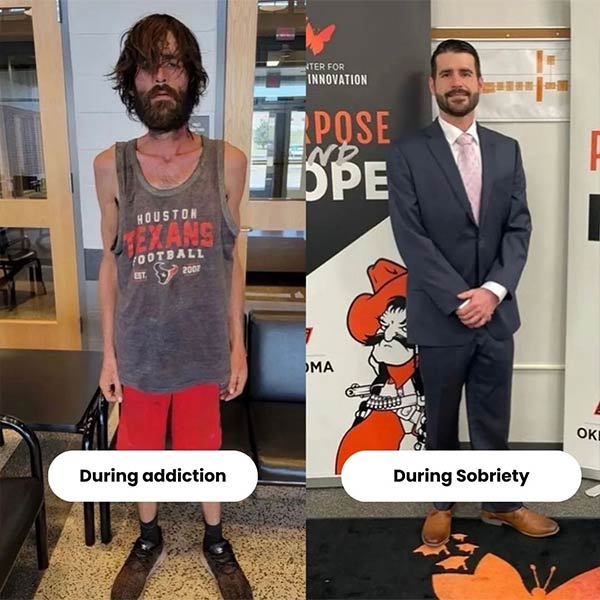
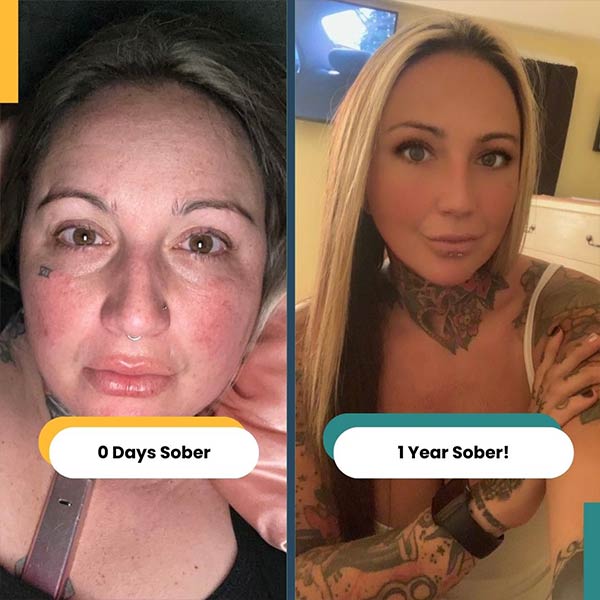
Living Proof: Inspiring Journeys of Alumni
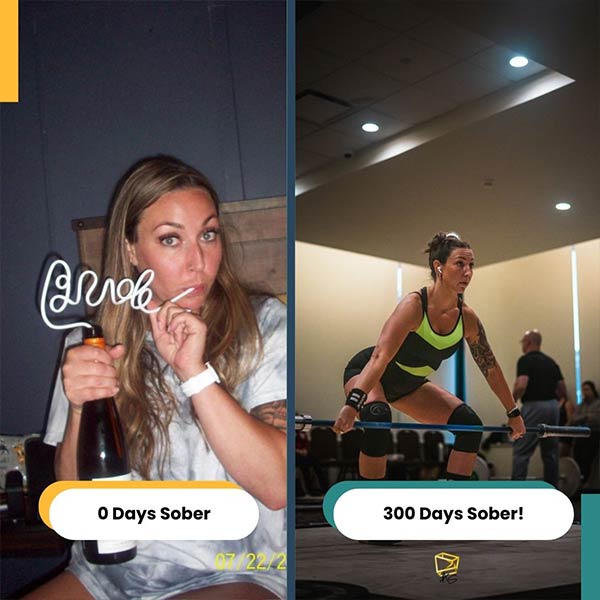
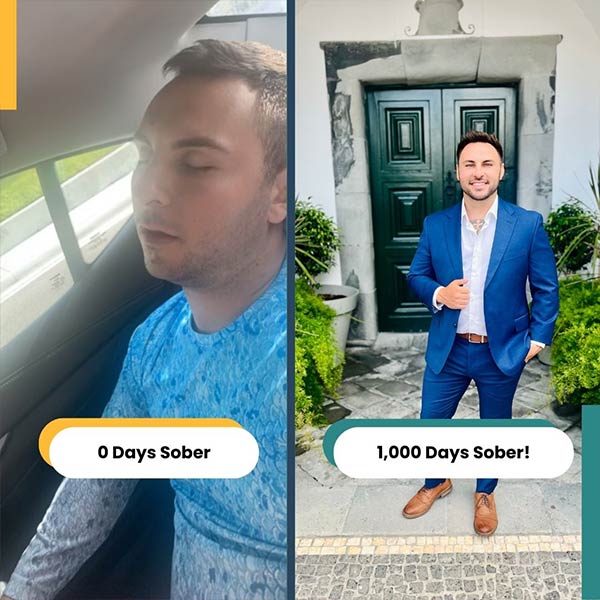
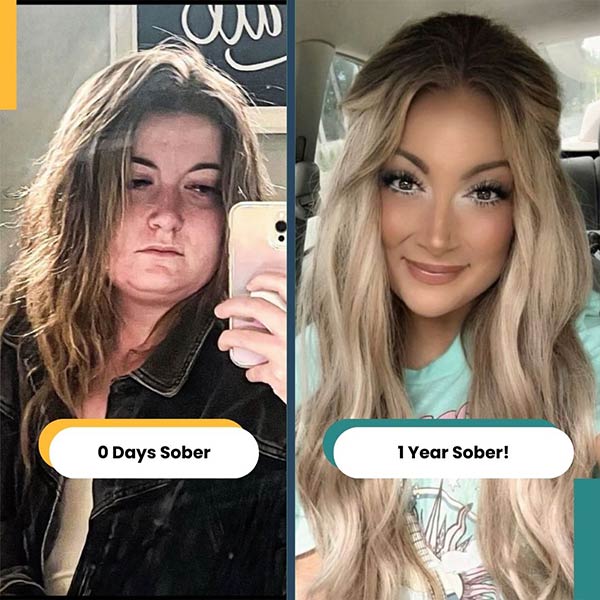
These are real before-and-after moments from people who completed treatment and embraced lasting sobriety. Each one reflects more than a physical change; it's the renewed purpose, strength, and hope that recovery makes possible.
Why Untreated Co-Occurring Disorders Are Dangerous
The Relapse Cycle
When the mental health condition goes untreated, the psychiatric symptoms it produces drive a return to substances for relief. Addressing addiction alone leaves that driver intact and sharply raises relapse risk.
Worsening Symptoms
Substances deepen depression, anxiety, and trauma symptoms over time, while withdrawal can heighten hypervigilance and panic. Each condition makes the other harder to treat in isolation.
Higher Medical Risk
Co-occurring disorders raise the risk of overdose, self-harm, and unmanaged withdrawal. Integrated treatment under medical and psychiatric supervision is the safe path, not detoxing alone at home.
Insurance & Payment for Dual Diagnosis Treatment
Still Detox is an out-of-network provider for most insurance plans. Many clients with PPO plans that include strong out-of-network benefits are able to use that coverage toward dual diagnosis treatment. Our admissions team verifies your specific out-of-network benefits at no cost and with no obligation, so you know what to expect before you commit.
We'll confirm what your plan covers, walk you through any out-of-pocket responsibility, and explain flexible payment options, including payment plans and promissory arrangements, so cost never becomes a reason to wait on care.
🛡️
Coverage at a GlanceWhat most clients can expect
- ✓Out-of-network PPO benefitsWe work with most major PPO carriers.
- ✓Real-time verificationConfirmed before admission, at no cost.
- ✓Flexible payment plansMonthly arrangements available.
- ✓Travel & transportation supportFor qualifying clients.
- ✓Secure payment processingBank transfer or card accepted.
Don't see your situation here? Call us, our specialists work with many plans and will tell you honestly what's covered.
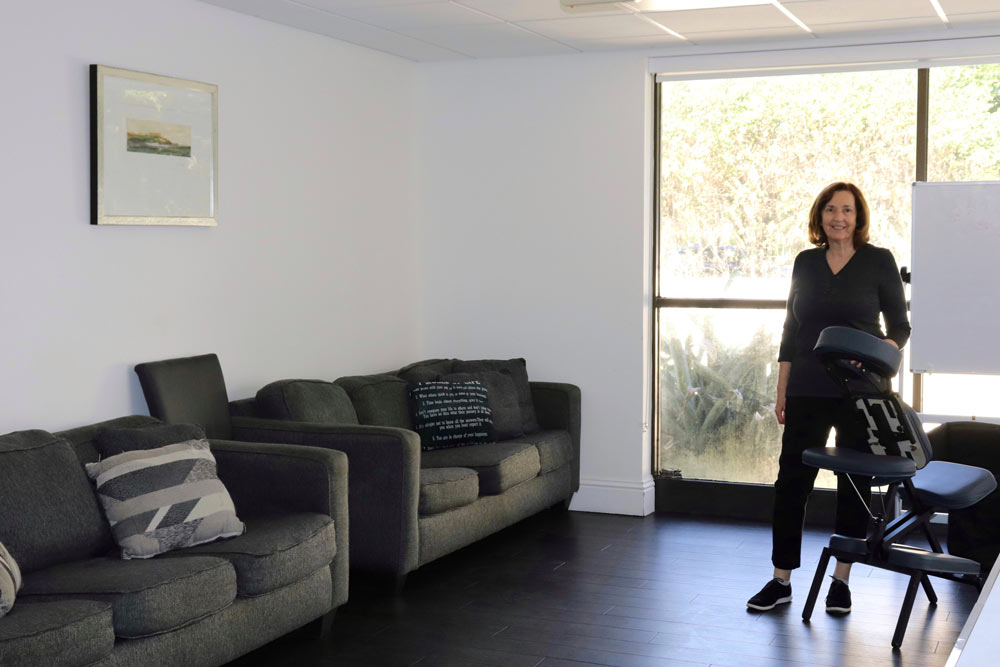
A Calm Place to Heal in Boca Raton
Recovery is easier in comfort. Our facility pairs clinical excellence with the kind of environment that helps the body and mind settle.
🍽️
Professional CateringThree daily meals · keto, gluten-free, dairy-free & pescatarian options
💆
Massage TherapyOn-site therapeutic massage to ease the detox process
🧘
Yoga & AcupunctureHolistic complements to integrated psychiatric care
💧
IV Vitamin TherapyVitamin IV support during recovery
🧠
Brain MappingSpecialized brain-mapping services
🏀
Basketball Court & BackyardFull outdoor recreation space



Specialized Care Few Facilities Offer
🤰
Pregnancy Up to 2nd Trimester
We accept pregnancies through the second trimester with appropriate medical monitoring, where many facilities refuse even the first trimester.
🩹
Complex Medical Conditions
Experience caring for clients with active cancer, late-stage cirrhosis, seizure disorders, and age-related complex medical needs.
🧩
Dual Diagnosis & MAT
Integrated treatment for co-occurring mental health conditions, plus Medication-Assisted Treatment as a specialized program component.
Dual Diagnosis Treatment FAQ
What is dual diagnosis treatment?
Dual diagnosis treatment addresses a substance use disorder and a co-occurring mental health condition at the same time, in one integrated plan. Treating both together, rather than one then the other, reduces relapse risk because the psychiatric condition that drives substance use is treated directly. At Still Detox the program combines medical stabilization, psychiatric care, and evidence-based therapy on one campus.
What is the difference between dual diagnosis and co-occurring disorders?
There is no clinical difference. Dual diagnosis and co-occurring disorders both describe the presence of a substance use disorder and a mental health disorder in the same person at the same time. The terms are used interchangeably by treatment providers and agencies such as SAMHSA.
What are examples of dual diagnosis?
Common examples include alcohol dependence with depression, opioid addiction with PTSD, cocaine or stimulant use with anxiety, and benzodiazepine dependence with bipolar disorder. Any combination of a substance use disorder and a psychiatric condition qualifies as a dual diagnosis.
Does insurance cover dual diagnosis treatment at Still Detox?
Still Detox is an out-of-network provider for most plans. Many clients with PPO insurance that includes out-of-network benefits are able to apply that coverage toward dual diagnosis treatment. Our admissions team verifies your specific benefits at no cost before admission so there are no surprises. Call (561) 556-2677 or use the verification form above.
What therapies are used in dual diagnosis treatment?
Evidence-based therapies form the core, including Cognitive Behavioral Therapy (CBT), Dialectical Behavior Therapy (DBT), and Medication-Assisted Treatment where indicated. These are supported by holistic practices such as yoga, acupuncture, and massage therapy that help regulate mood and stress during recovery.
Do I need to detox before dual diagnosis treatment?
It depends on the substance. Alcohol, benzodiazepines, and opioids require medical detox first because withdrawal carries real medical risk, and a clear psychiatric assessment is only possible once the body is stable. At Still Detox, detox flows directly into integrated dual diagnosis programming without changing facilities or teams.
Can I bring my service animal?
Yes. Unlike most treatment centers, Still Detox fully accommodates legitimate service animals, both dogs and cats, because recovery shouldn't mean leaving your companion behind.
Do you offer care in Spanish?
Yes. Every position, from behavioral health techs through the Medical Director, is fully bilingual, and complete treatment services are available in Spanish with cultural competency.
Take the First Step Toward Stillness
Dual diagnosis treatment is the beginning. Our team is on-site around the clock, admissions are available now for a same-day assessment, and a full continuum of residential care is waiting on the other side of detox, a real foundation for lasting recovery, not just a few managed days.
✓ Same-day assessments
✓ Insurance verified at no cost
✓ Confidential & HIPAA-compliant
✓ Nationwide admissions
Still Detox · Boca Raton, FL
Address950 NW 9th Ct, Boca Raton, FL 33486
On the University Hospital campus, adjacent to Boca Regional Hospital
On the University Hospital campus, adjacent to Boca Regional Hospital
Phone(561) 556-2677 · Available 24/7
Admissions Hours24 hours a day · 7 days a week · Same-day assessments available
Service AreaBoca Raton, Delray Beach, Boynton Beach, West Palm Beach, Fort Lauderdale & Miami — plus nationwide admissions
We're here 24/7. Speak with admissions, confidentially and with no obligation.
☎ Call (561) 556-2677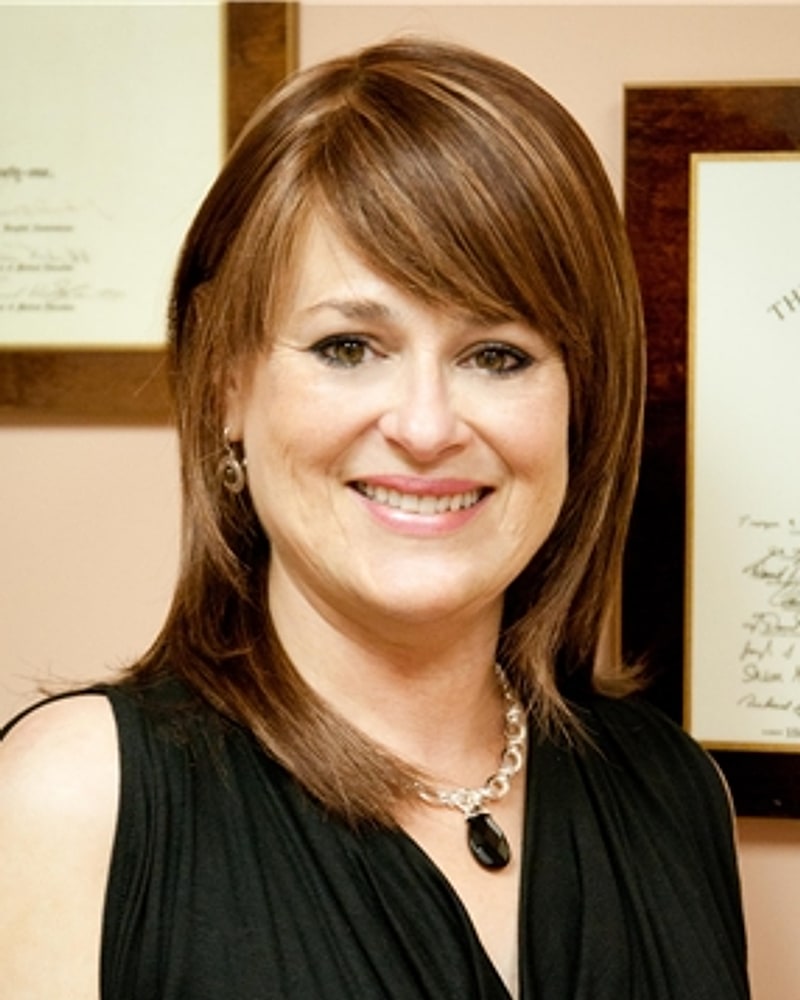
Medically reviewed by
Dr. Gladys Martinez, DO
Medical Director, Still Detox
Dr. Gladys Martinez, DO, is the Medical Director at Still Detox and a licensed osteopathic physician in Florida (license OS7477). Dr. Martinez evaluates every client in person within 24 hours of admission and oversees detox medication tapers. Read Dr. Gladys Martinez’s full bio.