


Prescription Drug Addiction Treatment · Boca Raton, Florida
Prescription Drug Addiction Treatment in Boca Raton, FL
Still Detox provides medically supervised prescription drug addiction treatment in Boca Raton, Florida. Our Medical Director manages withdrawal from prescription opioids (oxycodone, hydrocodone, fentanyl), prescription benzodiazepines (Xanax, Ativan, Valium, Klonopin), and prescription stimulants (Adderall, Ritalin, Vyvanse) using individualized clinical protocols in a private, 14-bed setting adjacent to Boca Regional Hospital. Call now for a same-day assessment.
✓ 24/7 nursing coverage
✓ MAT buprenorphine available
✓ 14-bed private setting
✓ Beside Boca Regional Hospital
Verify Your Insurance
Free & confidential — takes about 60 seconds
🔒 HIPAA-compliant · No obligation · We respond fast
 Joint Commission Accredited
 Florida DCF Licensed
 LegitScript Certified
 Psychology Today Verified
Substance Use Disorder · Prescription Drug Type · Clinical Definition
What Is Prescription Drug Addiction?
Prescription drug addiction occurs when use of a legitimately prescribed medication develops into a pattern meeting DSM-5 criteria for substance use disorder — compulsive use despite significant harm and failed attempts to stop. Physical dependence can develop from medications taken exactly as prescribed. The three prescription drug classes most associated with addiction and clinical withdrawal are opioids, benzodiazepines, and prescription stimulants — each requiring a different clinical approach and carrying different risks if stopped without physician guidance.
The prescription-to-addiction pathway is well-documented. Physical dependence on opioids and benzodiazepines can develop after several days to weeks of steady use, even at prescribed doses. This risk is underrecognized by both prescribers and patients. Understanding the difference between physical dependence (a physiological adaptation) and addiction (a behavioral and neurological disorder) matters for clinical planning, but both may require medically supervised treatment to discontinue safely.
Days to weeksof steady use can be enough for physical dependence on opioids or benzodiazepines to develop, even at prescribed doses (FDA)
3 classesprescription opioids, CNS depressants such as benzodiazepines, and stimulants are the most commonly misused prescription drug classes (NIDA)
Seizure riskabrupt discontinuation of prescription benzodiazepines carries life-threatening withdrawal seizure risk even at therapeutic doses
OD riskstopping prescription opioids without MAT dramatically elevates post-cessation overdose risk as tolerance drops
Why Prescription Drug Withdrawal Requires Medical Supervision
Not all prescription drugs require the same level of clinical management when stopping — and this distinction matters enormously. Prescription opioids and benzodiazepines both carry medically serious withdrawal risks. Prescription opioid withdrawal does not typically cause direct death in healthy adults, but the fatal overdose that follows relapse after unsupported detox — when tolerance has dropped — is a leading cause of opioid death. Prescription benzodiazepine withdrawal can produce life-threatening seizures even in individuals using the medication at therapeutic doses for extended periods.
The FDA required the boxed warning on all benzodiazepines to be updated in 2020 to address withdrawal and dependence risks. Prescription stimulants such as Adderall do not require a medical taper and do not carry fatal withdrawal risks, but can produce severe depression and suicidal ideation requiring psychiatric monitoring.
At Still Detox, every prescription drug client receives a protocol matched to their specific medication class: COWS-guided management with MAT for opioids, CIWA-guided diazepam substitution for benzodiazepines, and direct monitored stabilization for stimulants. The right protocol depends entirely on the specific prescription.
Why Choose Still Detox for Prescription Drug Addiction Treatment in Florida
Prescription drug addiction spans three medically distinct drug classes — each requiring a different clinical protocol. Still Detox treats all three, with the medical infrastructure each demands.
🧪
Class-Specific Clinical Protocols
COWS-guided management with MAT for prescription opioids. CIWA-guided diazepam substitution taper for prescription benzodiazepines. Direct monitored stabilization for prescription stimulants. The right protocol is matched to the specific medication.
💊
MAT for Prescription Opioid Dependence
Buprenorphine induction is available during detox from prescription opioids. Naltrexone (Vivitrol) is available after completion. Per NIDA and the CDC, MAT substantially reduces opioid overdose mortality — including for prescription opioid dependence that began with a legitimate prescription.
🏥
On a Hospital Campus
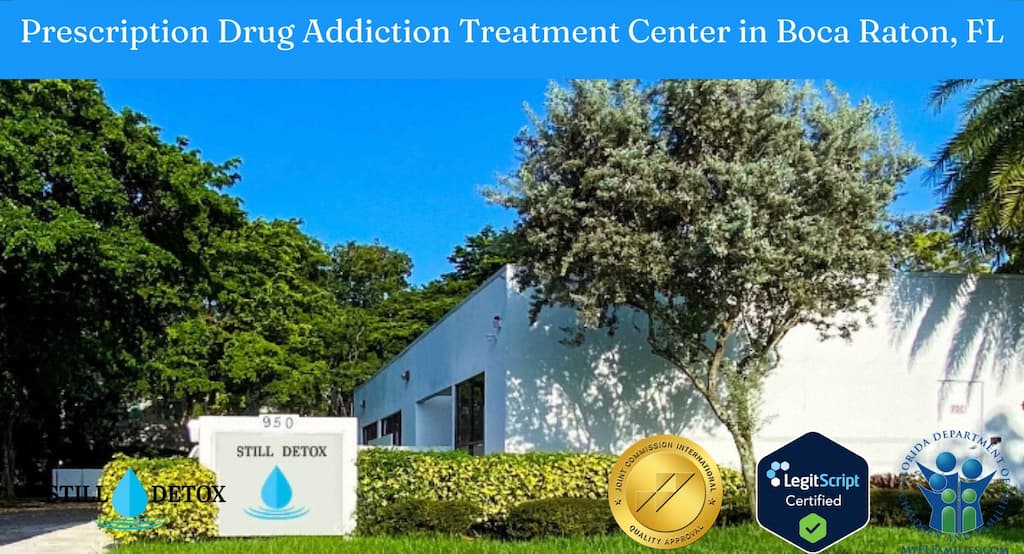
Located on the University Hospital campus, adjacent to Boca Regional Hospital. Emergency services are immediately accessible for any client whose prescription benzo or opioid withdrawal requires acute escalation beyond our clinical setting.
🧩
Dual Diagnosis: Treating the Underlying Condition
Prescription drugs are prescribed for a reason — chronic pain, anxiety, PTSD, ADHD, insomnia. Still Detox treats the underlying condition alongside the dependence using non-addictive evidence-based alternatives so stopping the prescription does not mean returning to unmanaged symptoms.
🔄
Direct Step Into Residential
Prescription drug detox flows directly into inpatient residential treatment on the same campus. The chronic pain management, anxiety treatment, or ADHD management that follows detox is part of the same program — not a separate referral.
💬
Fully Bilingual Care
Every team member is fluent in English and Spanish. Service animals (dogs and cats) are welcome. Prescription drug addiction treatment is available to all adults regardless of language or companion animal status.
What Patients Say About Treatment at Still Detox
People come to Still Detox when a prescription has become something more. Here is what they say about the care and the recovery they found.


Prescription Drug Classes We Treat at Still Detox
The clinical approach, withdrawal risk level, and protocol differ significantly between prescription drug classes. A physician evaluation on admission is essential before any detox begins.
Prescription Opioids Medically supervised
Prescription opioids produce physical dependence with regular use. Withdrawal from short-acting opioids typically begins 8 to 24 hours after the last dose. The primary danger is post-cessation overdose: tolerance drops during detox, making relapse at the previous dose potentially fatal. COWS-guided management and MAT with buprenorphine are the evidence-based standard.
OxyContin / Oxycodone
Hydrocodone (Vicodin)
Morphine (MS Contin)
Fentanyl (patch / lozenge)
Tramadol (Ultram)
Hydromorphone (Dilaudid)
Codeine
Prescription Benzodiazepines Medically supervised
Prescription benzodiazepines carry the most dangerous withdrawal profile of any prescription drug class. Abrupt discontinuation after significant dependence can produce life-threatening seizures even at therapeutic doses. The 2020 FDA black box warning addresses this risk directly. CIWA-guided diazepam substitution taper is the clinical standard at Still Detox.
Xanax (alprazolam)
Ativan (lorazepam)
Valium (diazepam)
Klonopin (clonazepam)
Librium (chlordiazepoxide)
Restoril (temazepam)
Prescription Stimulants Direct admission
Prescription stimulants do not require a medical taper and do not carry seizure or cardiovascular collapse risk during cessation. Clients are admitted directly into monitored stabilization. The primary challenges are psychological: stimulant crash depression, suicidal ideation, prolonged PAWS, and the ADHD that typically underlies the prescription.
Adderall (amphetamine salts)
Ritalin / Concerta (methylphenidate)
Vyvanse (lisdexamfetamine)
Dexedrine (dextroamphetamine)
Strattera (atomoxetine)
What to Expect During Prescription Drug Treatment at Still Detox
Here is how prescription drug addiction treatment works from first call through residential care — matched to your specific medication class.
01
Confidential Call and Insurance Verification
Admissions gathers your specific prescription, current dose, duration of use, and co-occurring conditions (chronic pain, anxiety, ADHD). PPO benefits verified before you commit. Travel coordinated before arrival.
02
Pre-Admission Clinical Assessment
A call within three days covers your complete medication and psychiatric history — so the appropriate protocol (COWS/MAT for opioids, a supervised taper for benzos, direct stabilization for stimulants) is ready on day one.
03
Arrival and Protocol-Matched Intake
A nurse and behavioral health tech handle intake together. Urine toxicology confirms substances. Clinical assessment begins immediately and appropriate medications are available from the first hours of admission.
04
Medical Director Evaluation
Within 24 hours the Medical Director completes a full history and physical. The individualized taper schedule or stabilization plan is established based on your specific prescription, dose, duration of use, and clinical history.
05
Medically Managed Detox or Stabilization
Withdrawal severity assessments drive daily medication adjustments. Buprenorphine manages opioid cravings. Diazepam taper proceeds on the individualized benzo schedule. Comfort medications address stimulant crash. Typical detox stay is 7 to 10 days, up to 14 for complex cases.
06
Seamless Step Into Residential Treatment
You step directly into residential treatment on the same campus — same team, same setting. The chronic pain, anxiety, or ADHD underlying the prescription is addressed with non-addictive evidence-based alternatives in the program that follows.
Signs and Symptoms of Prescription Drug Addiction
The DSM-5 applies 11 diagnostic criteria to opioid, sedative and stimulant use disorders. Any 2 or more in a 12-month period constitutes a diagnosis. A key clinical nuance: tolerance and withdrawal alone (criteria 10 and 11) do not constitute addiction if the patient is using the medication as prescribed — additional criteria of compulsive use and harm are required.
01
Using More Than Prescribed
Taking medication in larger doses, more frequently, or for longer than prescribed. In prescription opioid dependence, this often begins as legitimate pain management before dose escalation outpaces the prescription as tolerance develops.
02
Failed Attempts to Stop or Reduce
A persistent desire to taper or stop combined with repeated unsuccessful attempts. Withdrawal symptoms from opioids and benzodiazepines make self-directed discontinuation extremely difficult — and for benzodiazepines, potentially fatal without medical supervision.
03
Excessive Time Obtaining or Using
Doctor shopping, early refill requests, or significant time managing supply. When obtaining the medication begins to consume significant planning and energy, it signals advancing disorder severity beyond legitimate medical need.
04
Cravings
A powerful urge to take the medication, particularly when a dose is delayed or withdrawal onset is anticipated. In opioid and benzo dependence, craving is often the nervous system signaling the approach of withdrawal rather than the pursuit of euphoria.
05
Failure to Meet Obligations
Sedating effects of prescription opioids or benzodiazepines, or the crash from prescription stimulants, interfering with work, family responsibilities, or daily obligations beyond what the underlying condition would produce unmedicated.
06
Continued Use Despite Relationship Harm
Persisting with prescription drug use despite conflict with family or partners — emotional withdrawal from opioids and benzos, erratic behavior from stimulant use patterns, or dishonesty around supply creating sustained relationship damage.
07
Abandoning Important Activities
Giving up hobbies, social engagement, or valued pursuits as prescription drug use progressively narrows life's scope — particularly with opioid or benzodiazepine dependence where the sedating cycle can displace most prior interests and relationships.
08
Use in Hazardous Situations
Driving while on sedating doses of opioids or benzodiazepines; combining prescription opioids with benzodiazepines or alcohol (the FDA black box warning on opioids specifically flags this combination); or taking prescription stimulants at doses far beyond prescribed levels.
09
Continued Use Despite Known Harm
Persisting despite awareness of consequences — cognitive impairment from long-term benzodiazepines, opioid-induced hyperalgesia, cardiovascular effects from stimulants, or documented worsening of the original condition the prescription was meant to treat.
10
Tolerance
Requiring higher doses to achieve the same effect, or finding that the prescribed dose no longer provides adequate relief. Tolerance in opioid and benzo prescriptions indicates advancing physical dependence and signals that discontinuation requires clinical supervision.
11
Withdrawal Symptoms
Experiencing physical symptoms when the prescription is delayed — muscle pain and nausea for opioids; anxiety, tremors, and elevated heart rate for benzodiazepines; depression and fatigue for stimulants. The presence of withdrawal confirms physical dependence and the need for medically supervised discontinuation.
Mild2 to 3 criteria
Moderate4 to 5 criteria
Severe6 or more criteria
DSM-5 substance use disorder criteria. Tolerance and withdrawal from a prescription alone do not constitute addiction — but both signal that medical supervision is required before stopping. Call now.
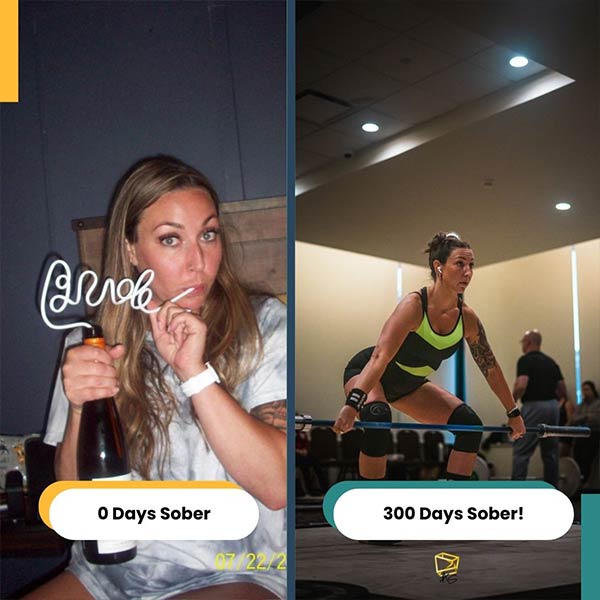
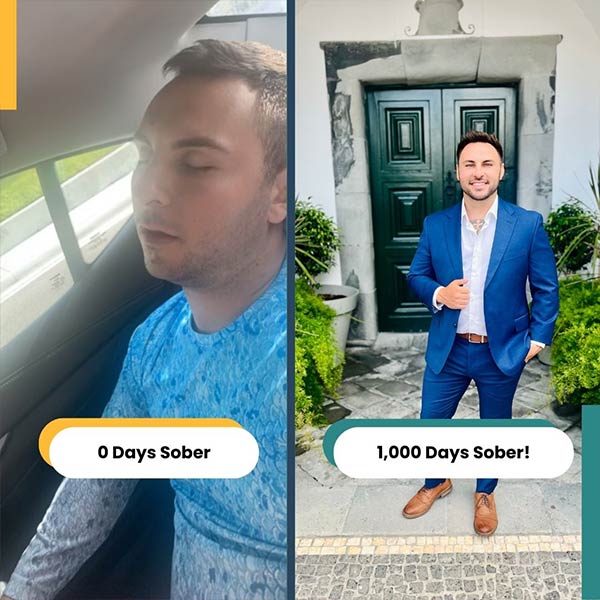
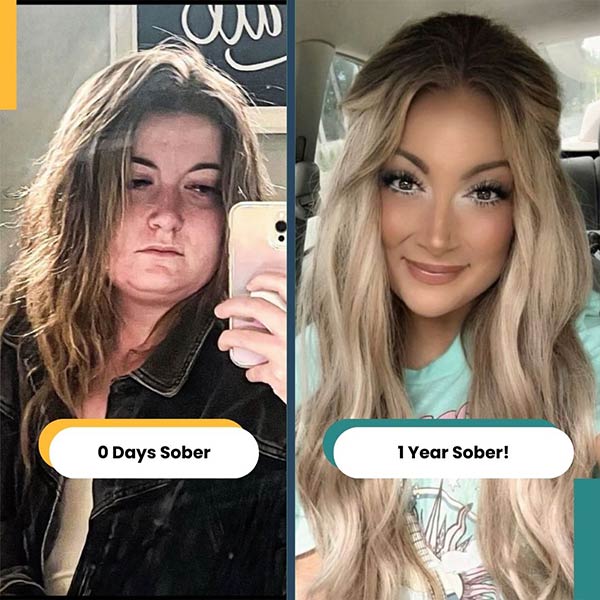
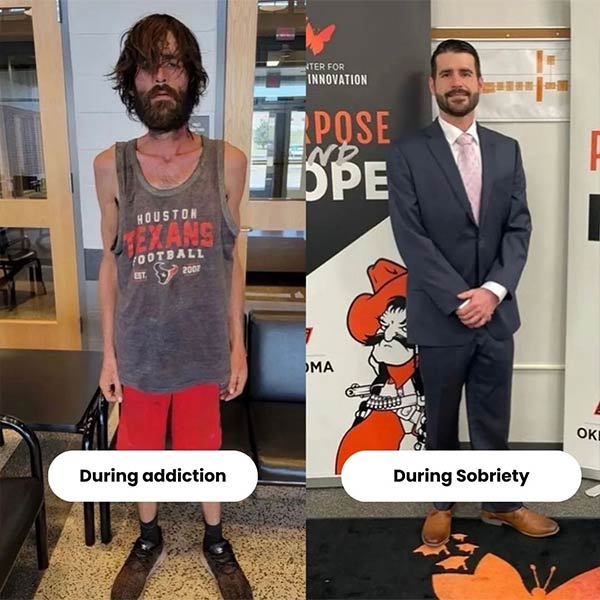
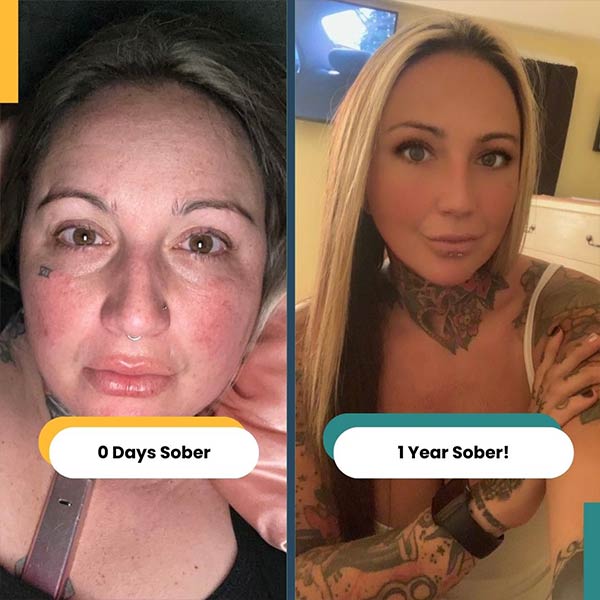
Talk to Admissions ConfidentiallyLiving Proof: Alumni in Recovery From Prescription Drug Addiction
These are real before-and-after moments from people who completed treatment at Still Detox — people whose prescription became a dependency, and whose recovery began with one call.
Why Stopping Prescription Drugs Without Medical Guidance Is Dangerous
Benzodiazepine Seizures Can Occur at Therapeutic Doses
Prescription benzodiazepine withdrawal seizures are documented in individuals using benzos at therapeutic doses for extended periods. The 2020 FDA black box warning on all benzodiazepines addresses this risk directly. Anyone taking a prescribed benzodiazepine regularly should consult a physician before attempting to stop — the appropriate taper rate cannot be safely self-directed.
Prescription Opioid Post-Cessation Overdose Risk
Opioid tolerance drops rapidly during even brief abstinence. Someone who stops prescription opioids for a week and relapses at their previous dose is no longer tolerant to that dose and faces dramatically elevated fatal overdose risk. MAT with buprenorphine substantially reduces this post-cessation risk.
Stopping the Prescription Does Not Address the Underlying Condition
Stopping oxycodone does not resolve chronic pain. Stopping Xanax does not resolve panic disorder. Stopping Adderall does not resolve ADHD. Treatment that addresses only the dependence without the underlying condition means those symptoms return in full force — creating immediate pressure to resume the prescription.
Insurance and Payment for Prescription Drug Addiction Treatment
Still Detox is an out-of-network provider for most insurance plans. Many clients with PPO plans apply out-of-network benefits toward prescription drug detox and residential treatment. Our admissions team verifies your specific benefits at no cost and with no obligation before admission.
We confirm what your plan covers, walk through any out-of-pocket responsibility, and explain flexible payment options including monthly payment plans. The transition from a prescription that started legitimately to treatment that begins recovery should never be blocked by cost.
🛡
Coverage at a GlanceWhat most prescription drug treatment clients can expect
- ✓Out-of-network PPO benefitsWe work with most major PPO carriers for prescription drug detox and residential care.
- ✓Real-time benefits verificationConfirmed before admission, at no cost and no obligation.
- ✓Flexible monthly payment plansPromissory arrangements available for qualifying clients.
- ✓Travel and transportation supportCoordinated for qualifying clients nationwide.
- ✓Secure payment processingBank transfer or card accepted.
Don't see your plan? Call us. Our specialists work with many coverage scenarios and will give you an honest answer about what is covered.
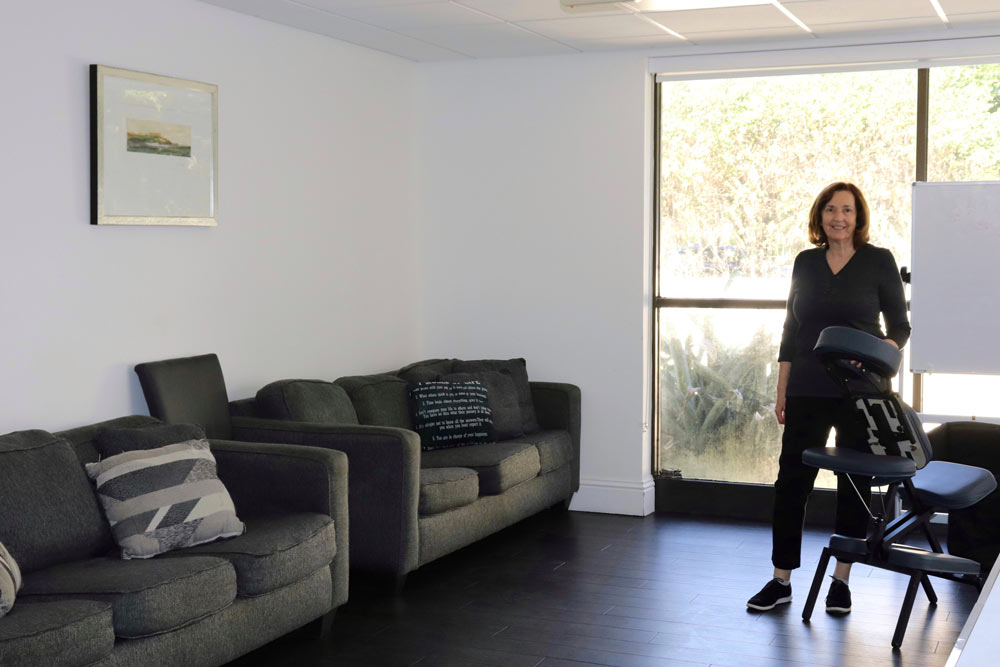
A Calm, Clinically Equipped Environment for Prescription Drug Recovery
Prescription drug withdrawal spans a wide clinical spectrum. Our facility is designed to support recovery across opioid bone pain, benzo-related anxiety and sensory hypersensitivity, and stimulant crash depression alike.
🍽
Professional CateringThree daily meals — nutrition during opioid and benzo withdrawal recovery
💆
Massage TherapyOn-site therapeutic massage reducing opioid bone pain and benzo-related muscle tension
🧢
Yoga and AcupunctureHolistic nervous system support across all prescription drug withdrawal types
💧
IV Vitamin TherapyNutritional IV support addressing deficiencies from long-term prescription drug use
🧠
Brain MappingSpecialized neurological assessment informing individualized treatment planning
🏀
Basketball Court and BackyardSupervised physical activity supporting natural neurochemical recovery across all drug classes



Specialized Care for Complex Prescription Drug Cases
💓
Chronic Pain and Prescription Opioid Dependence
Many clients develop opioid dependence through legitimate chronic pain treatment. Still Detox manages opioid detox alongside non-opioid pain management planning — so stopping opioids does not mean returning to uncontrolled pain. See our full opioid addiction treatment page.
💩
Anxiety Disorders and Prescription Benzodiazepine Dependence
Benzodiazepines are most commonly prescribed for anxiety. Still Detox treats the physical benzo dependence and the underlying anxiety disorder concurrently using non-benzodiazepine alternatives. See our full benzodiazepine addiction treatment page.
🧩
ADHD and Prescription Stimulant Dependence
Prescription stimulant dependence frequently co-occurs with the ADHD it was prescribed to treat. Still Detox's residential program addresses ADHD management using non-stimulant alternatives. See our full Adderall addiction treatment page.
Prescription Drug Addiction Treatment FAQ
What is prescription drug addiction?
Prescription drug addiction occurs when use of a legitimately prescribed medication develops into a pattern meeting DSM-5 criteria for substance use disorder. Physical dependence can develop from opioids and benzodiazepines taken as prescribed, after several days to weeks of steady use. The three classes most associated with addiction are opioids (oxycodone, hydrocodone, fentanyl), benzodiazepines (Xanax, Ativan, Valium), and prescription stimulants (Adderall, Ritalin, Vyvanse).
Can you become addicted to prescription medications taken as prescribed?
Yes. Physical dependence can develop from prescription opioids and benzodiazepines taken as prescribed, after several days to weeks of steady use. Physical dependence is not the same as addiction but is clinically significant: stopping these medications without physician supervision carries medical risk. Anyone taking prescription opioids or benzodiazepines regularly should consult a physician before attempting to stop.
Which prescription drugs require medical detox?
Prescription opioids and prescription benzodiazepines both require physician-supervised detox. Opioid withdrawal carries risk of fatal post-cessation overdose when tolerance drops. Stopping benzodiazepines abruptly or lowering the dose too quickly can cause life-threatening withdrawal seizures, even after use as prescribed, per the 2020 FDA boxed warning on all benzodiazepines. Prescription stimulants such as Adderall do not require a medical taper and can be admitted directly into monitored stabilization.
What is the difference between physical dependence and addiction?
Physical dependence is a physiological state in which stopping produces withdrawal. It can develop from medications taken exactly as prescribed. Addiction involves compulsive use despite harm and loss of control. The DSM-5 explicitly notes that tolerance and withdrawal from prescribed medications do not count toward a substance use disorder diagnosis when the patient is following prescribed use patterns.
Does insurance cover prescription drug addiction treatment at Still Detox?
Still Detox is an out-of-network provider. Many clients with PPO insurance apply out-of-network benefits toward prescription drug detox and residential care. Our admissions team verifies your specific benefits at no cost and with no obligation before admission. Call (561) 556-2677 or use the online insurance verification form at the top of this page.
What happens after prescription drug detox at Still Detox?
After stabilization, clients step directly into residential treatment on the same campus with the same clinical team. The underlying chronic pain, anxiety disorder, ADHD, or other condition that drove initial prescription drug use is addressed with non-addictive evidence-based alternatives in the residential program that follows. No facility transfer, no new intake.
Begin Prescription Drug Addiction Treatment at Still Detox
Prescription drug dependence that began with legitimate medical need deserves a clinical response that addresses both the dependence and the underlying condition. Our team is on-site 24 hours a day, same-day assessments are available, and residential care that treats the root cause begins right after stabilization.
✓ Same-day assessments
✓ Insurance verified at no cost
✓ Confidential and HIPAA-compliant
✓ Nationwide admissions
Still Detox · Prescription Drug Addiction Treatment · Boca Raton, FL
Address950 NW 9th Ct, Boca Raton, FL 33486
On the University Hospital campus, adjacent to Boca Regional Hospital
On the University Hospital campus, adjacent to Boca Regional Hospital
Phone(561) 556-2677 · Available 24/7
Admissions Hours24 hours a day · 7 days a week · Same-day assessments available
Service AreaBoca Raton, Delray Beach, Boynton Beach, West Palm Beach, Fort Lauderdale and Miami — plus nationwide admissions
We're here 24/7. Speak with admissions, confidentially and with no obligation.
✆ Call (561) 556-2677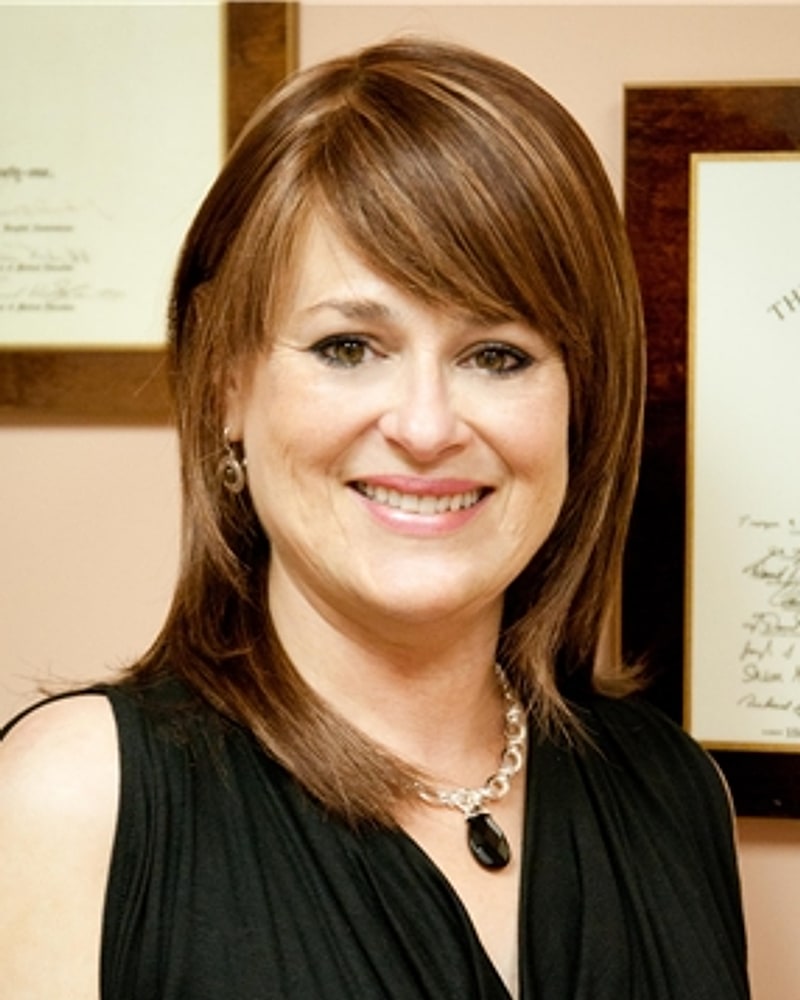
Medically reviewed by
Dr. Gladys Martinez, DO
Medical Director, Still Detox
Dr. Gladys Martinez, DO, is the Medical Director at Still Detox and a licensed osteopathic physician in Florida (license OS7477). Dr. Martinez evaluates every client in person within 24 hours of admission and oversees detox medication tapers. Read Dr. Gladys Martinez’s full bio.