
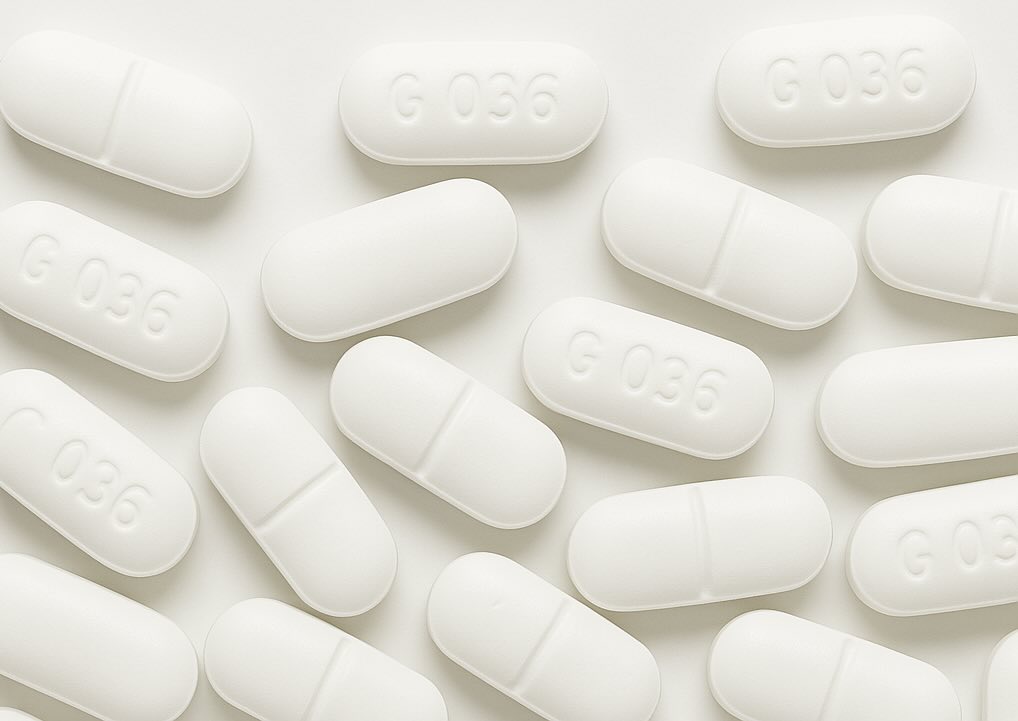
When people search for the G036 pill, they often encounter a white, capsule-shaped tablet in a friend’s bathroom cabinet or offered at suspiciously low prices on platforms like Snapchat. The “G 036” imprint provides initial clues, but the broader context of this medication reveals a complex story of pain management, the opioid crisis, and the journey toward recovery. This article explores the following:
- The history and pharmacology of the pill, once branded as Lortab 7.5/325.
- How legitimate tablets differ from counterfeit versions stamped with “G 036.”
- The medical uses, side effects, and science behind dependence.
- The evidence-based detox approach at Still Detox Alcohol & Drug Addiction Treatment Center.
Quick Identification Guide
| Feature | What to Look For |
|---|---|
| Imprint / Shape / Color | “G 036” on one side, score line on the other; white, capsule-shaped, ≈ 16 mm |
| Active Ingredients | Hydrocodone bitartrate 7.5 mg + acetaminophen 325 mg |
| Former Brand Name | Lortab 7.5/325 (discontinued in 2020) |
| Controlled-Substance Status | Schedule II opioid, no automatic refills, strict inventory rules |
| Counterfeit Warning | Fake versions often contain fentanyl or no hydrocodone at all |
Source: Drugs.com Pill Identifier
A Brief History: From Popular Pain Reliever to High-Risk Commodity
Hydrocodone-acetaminophen combinations, such as Lortab, Vicodin, and Norco, became widely used in U.S. pharmacies during the 1970s. Physicians valued these medications for combining an opioid with over-the-counter acetaminophen, providing effective pain relief without requiring additional narcotics. Initially classified as Schedule III drugs, these medications allowed up to five refills per prescription. However, escalating opioid misuse led the Drug Enforcement Administration (DEA) to reclassify them as Schedule II in October 2014, citing “widespread diversion, abuse, and addiction” (DEA Final Rule).
By 2020, most branded Lortab tablets were discontinued, leaving only authorized generics. This shift created an opportunity for counterfeit labs to produce pills stamped “G 036,” which often mimic legitimate tablets but may contain illicit fentanyl, a substance up to 100 times stronger than morphine.
How the G036 Pill Works in Your Body
Hydrocodone: The Opioid Driver
Hydrocodone, a semi-synthetic opioid derived from codeine, binds to μ-opioid receptors in the brain and spinal cord. This action dampens pain signals and triggers a dopamine surge, creating a sense of relief and euphoria that can drive cravings for more.
Acetaminophen
Acetaminophen, also known as paracetamol, enhances opioid analgesia through central COX inhibition and activation of serotonergic pathways. While generally safe, doses exceeding 4,000 mg per day can overwhelm liver enzymes, potentially leading to severe hepatic failure.
Onset, Peak, and Duration
- Onset: Pain relief begins 10–30 minutes after ingestion.
- Peak Analgesia: Effects peak around 1 hour.
- Duration: Pain relief lasts 4–6 hours.
The acetaminophen component imposes a hepatotoxic threshold, meaning escalating doses to chase euphoria significantly increases the risk of medical emergencies beyond dependence.
Common and Serious Side Effects Explained
Most individuals experience dose-related side effects from the G036 pill, including:
- Gastrointestinal: Nausea and constipation due to slowed gut motility from opioids.
- Central Nervous System: Drowsiness, clouded thinking, and, at higher doses, pinpoint pupils.
- Respiratory: Hydrocodone suppresses the brain’s CO2 drive, potentially reducing breathing from 12 to 6 to 0 breaths per minute.
Combining hydrocodone with alcohol, benzodiazepines, or sleep aids amplifies the risk of respiratory depression. The CDC reports that over 70% of opioid-related deaths in 2024 involved such polysubstance combinations (CDC Overdose Data).
From Tolerance to Dependence to Addiction
Hydrocodone’s euphoric effects prompt the brain to reduce its own opioid and dopamine receptors, leading to tolerance within weeks, where the same dose becomes less effective. Abrupt cessation triggers withdrawal symptoms, such as yawning, gooseflesh, gastrointestinal cramps, and intense restlessness. While not everyone develops opioid use disorder (OUD), the risk increases with:
- A genetic or family history of substance use disorder.
- Untreated mental health conditions, such as anxiety, PTSD, or depression.
- Concurrent use of alcohol or benzodiazepines.
- Prolonged therapy beyond three weeks.
Counterfeit “G036” Pills: A Deadlier Game
Following the discontinuation of branded Lortab tablets, social media platforms reported a 200% increase in listings for “G036” pills. The DEA’s “One Pill Can Kill” campaign notes that 6 out of 10 seized tablets masquerading as hydrocodone contain potentially lethal doses of fentanyl (DEA One-Pill-Can-Kill Campaign). Key indicators of counterfeit pills include:
- Texture: Legitimate tablets are machine-pressed, not chalky or crumbly.
- Imprint Clarity: Genuine “G 036” letters are crisp and deeply debossed.
- Price: Prices significantly below U.S. pharmacy costs ($6–$10 per tablet) are suspicious.
- Source: Legitimate pharmacies do not sell controlled substances via social media direct messages.
Staying Safer: Practical Harm-Reduction Steps
Whether managing post-surgical pain or addressing long-term misuse, the following measures can reduce risks:
-
Verify Every Pill
- Use the FDA-approved pill identifier or a local drug-checking service. Discard any pill of questionable authenticity safely.
-
Track Acetaminophen Totals
- Many cold and flu remedies contain acetaminophen. Keep daily intake below 4,000 mg to protect your liver.
-
Avoid Mixing Depressants
- Combining hydrocodone with alcohol, benzodiazepines, or gabapentin significantly increases the risk of overdose.
When It’s Time for Help: The Still Detox Approach
For those struggling with dependence, quitting abruptly can lead to severe withdrawal and relapse. At Still Detox Alcohol & Drug Addiction Treatment Center, we employ an integrated, evidence-based approach to support recovery:
1. Comprehensive Medical Evaluation
We conduct liver function tests to assess acetaminophen impact and ECGs to screen for QT prolongation in chronic users. Co-occurring conditions, such as anxiety or sleep apnea, are addressed through dual-diagnosis treatment to target the root causes of addiction.
2. Medication-Assisted Treatment (MAT)
Based on individual goals, we transition patients to:
- Buprenorphine-Naloxone (Suboxone) for long-term maintenance.
- Monthly Naltrexone Injections for those preferring an opioid-free regimen.
3. Trauma-Informed Therapy and Family Support
Our programs include Cognitive Behavioral Therapy (CBT), Eye Movement Desensitization and Reprocessing (EMDR), and family education sessions to rebuild coping skills and develop relapse-prevention strategies.
Frequently Asked Questions
Is the G036 Pill the Same as Vicodin?
Both are hydrocodone-acetaminophen combinations, but Vicodin tablets have different imprints (e.g., M365) and may contain 5 mg of hydrocodone instead of 7.5 mg. Always verify the imprint and strength.
Can I Cut the Pill in Half?
The score line allows splitting, but consult your prescriber. Splitting increases the risk of dosing errors, particularly with acetaminophen, as fragments may not be equal.
How Long Will It Show on a Drug Test?
Hydrocodone metabolites are detectable in urine for 2–4 days and in hair follicles for up to 90 days.
Takeaway
The G036 pill represents a powerful pain reliever, a potential driver of dependence, and a significant risk due to counterfeit fentanyl versions. With knowledge and compassionate, evidence-based care, individuals can navigate the path to recovery. If you’re ready to take the next step, contact Still Detox at (561) 556-2677 or start a confidential chat today.