
Understanding Cocaine Relapse
Cocaine addiction recovery is a complex process that often involves challenges, including the risk of relapse. Relapse occurs when someone resumes cocaine use after a period of abstinence, whether after days, months, or years of sobriety. Cocaine, classified as a stimulant drug, significantly increases dopamine levels in the brain, contributing to its high addictiveness. According to the 2022 SAMHSA National Survey on Drug Use and Health, approximately 1.4 million Americans use cocaine annually. A 2021 study published in Addiction found that 40-60% of individuals relapse within a year of treatment, highlighting the drug’s persistent effects on the brain and body. Relapse is a common part of recovery due to cocaine’s strong physiological and psychological impact, often influenced by specific triggers and underlying factors.
Common Causes of Cocaine Relapse
Relapse is often triggered by specific cues that reignite cravings for cocaine. A 2020 study in the Journal of Substance Abuse Treatment identified stress as a factor in 70% of cocaine relapses, as it overwhelms coping mechanisms and prompts drug-seeking behavior. Social environments, such as parties, bars, nightclubs, or interactions with former users, can evoke memories of cocaine use, making abstinence difficult.
Physical reminders, such as nasal damage from cocaine use (commonly referred to as coke nose), may cause emotional distress, guilt, or nostalgia for past use. Other contributing factors include low mood, anxiety, or overconfidence in recovery, where individuals may believe they can use cocaine casually without consequences. Underestimating cocaine’s addictive potential also heightens the risk of relapse.
Why Cocaine Relapse Occurs
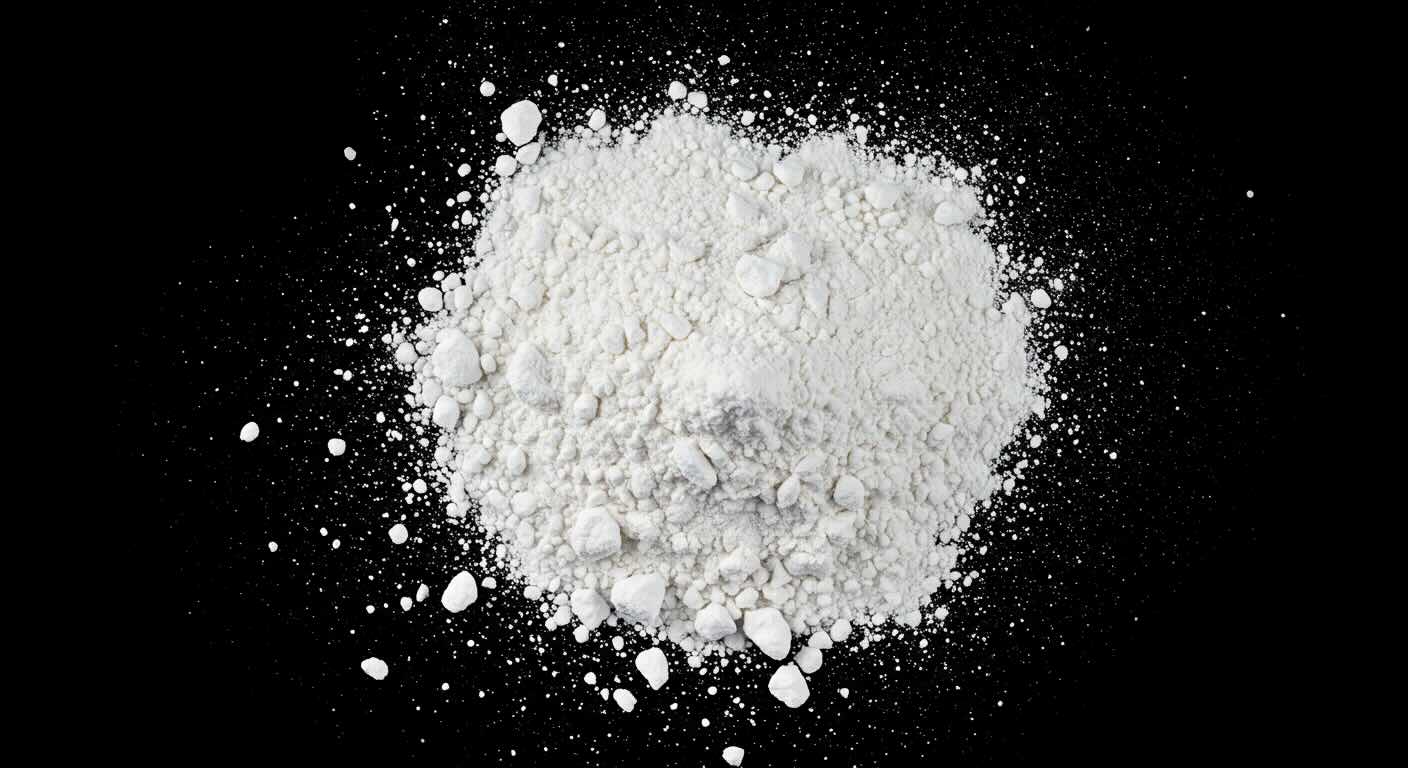
Cocaine relapse is driven by a combination of biological and behavioral factors. A 2021 Neuropsychopharmacology study explains that cocaine causes a significant surge in dopamine, altering the brain’s reward system. After stopping use, normal activities, such as socializing, working, or hobbies, may feel less rewarding, increasing the urge to return to cocaine. Withdrawal symptoms, including intense cravings, fatigue, depression, irritability, and sleep disturbances, can begin within hours of last use and persist for weeks, making abstinence challenging. The National Institute on Drug Abuse (NIDA) reports that 50% of relapses are linked to behavioral patterns, such as using cocaine to cope with stress, anger, or negative emotions. These habits become deeply ingrained, requiring targeted interventions to break. Additionally, the form of cocaine matters: crack cocaine, which delivers a faster and more intense high, may pose a higher relapse risk than powder cocaine due to its stronger effect on the brain.
How Still Detox Addresses Cocaine Relapse
Effective relapse management requires a comprehensive, evidence-based approach tailored to each patient’s needs. At Still Detox, treatment begins with medical detox, a supervised process using medications like benzodiazepines or antidepressants to alleviate withdrawal symptoms, such as anxiety, depression, or agitation, ensuring a safer transition to sobriety. Following detox, patients engage in Cognitive Behavioral Therapy (CBT), which a 2022 Addiction Research study found reduces relapse rates by 40% by helping individuals identify triggers and develop healthier coping mechanisms. For example, CBT teaches patients to replace drug-seeking responses with techniques like mindfulness or problem-solving.
Contingency management programs provide incentives, such as vouchers or rewards, for maintaining abstinence, reinforcing positive behavior. Group therapy sessions offer peer support, allowing patients to share experiences and build a sense of community.
For physical health consequences like nasal damage, patients are referred to medical specialists for evaluation and treatment, such as nasal irrigation or surgery, while holistic care, including nutrition plans and exercise regimens, supports overall recovery. To explore these programs, contact Still Detox at (561) 556-2677.
Steps to Take After a Relapse
If relapse occurs, immediate action can help regain control. First, consult a healthcare provider or addiction specialist to assess the situation and adjust treatment plans. Second, avoid isolation by connecting with a support group or trusted loved ones to address feelings of guilt or shame. Third, identify the trigger that led to relapse, such as stress or a specific environment, and develop a plan to avoid it in the future. Fourth, recommit to therapy or counseling to reinforce coping strategies. Finally, consider residential or outpatient programs for structured support. These steps help individuals move forward without losing progress toward recovery.