


Still Detox provides 24/7 medically supervised alcohol detox and inpatient alcohol rehab for adults in Boca Raton, Florida. Our board-certified Medical Director manages alcohol withdrawal syndrome using individualized benzodiazepine taper protocols, with nursing coverage around the clock and a staff ratio of 1:7 or better. Call now for a confidential, same-day assessment.
Free & confidential — takes about 60 seconds
 Joint Commission Accredited
 Florida DCF Licensed
 LegitScript Certified
 Verified by Psychology Today
Alcohol use disorder (AUD) is a chronic brain condition characterized by an impaired ability to stop or control alcohol use despite adverse health, occupational, or social consequences. Per the National Institute on Alcohol Abuse and Alcoholism (NIAAA), AUD is classified as mild, moderate, or severe based on how many of the 11 DSM-5 diagnostic criteria a person meets in a 12-month period. It is not a behavioral failing or a lack of willpower. It is a medical condition driven by lasting neurological changes caused by alcohol misuse.
AUD encompasses what was previously referred to as alcohol abuse, alcohol dependence, and alcoholism. The DSM-5 unified these into a single diagnosis with three severity levels. Genetics account for approximately 60 percent of AUD risk, according to NIAAA. Environmental factors, early-onset drinking, and co-occurring psychiatric conditions including depression and PTSD contribute significantly to the remaining risk.
Physical dependence on alcohol develops when the central nervous system adapts to the continuous presence of alcohol and requires it to maintain baseline function. When alcohol is removed, the nervous system rebounds into a hyperexcitable state that produces alcohol withdrawal syndrome — the most clinically dangerous of all substance withdrawal syndromes.
Alcohol withdrawal syndrome is not the same as a hangover. Per NIAAA, approximately 50 percent of people with AUD will experience withdrawal symptoms when they stop drinking. Between 3 and 5 percent will develop delirium tremens, a life-threatening condition involving severe confusion, cardiovascular instability, and hallucinations. Untreated, delirium tremens carries a mortality rate up to 15 percent. With physician-managed detox, that rate falls below 1 percent.
Medical detox is the required clinical first step before any alcohol rehabilitation program. At Still Detox, every client receives a full physician evaluation within 24 hours of admission, with alcohol withdrawal managed using validated CIWA-Ar assessment scores and individualized benzodiazepine taper schedules in a private, 14-bed setting adjacent to Boca Regional Hospital.

Concierge-level medical care for alcohol withdrawal, without the hospital setting, where every protocol is calibrated to you specifically.
Our Medical Director, board-certified in addiction medicine, performs a full history and physical within 24 hours of admission. CIWA-Ar assessments drive taper decisions, not a one-size-fits-all protocol.
Located on the University Hospital campus, directly adjacent to Boca Regional Hospital. Emergency services are immediately available for any client who requires acute escalation.
Private rooms available, comfortable accommodations, professional catering, and an individualized comfort-care approach throughout acute alcohol withdrawal, not a crowded ward.
Alcohol detox flows directly into inpatient alcohol rehab around day 8. Same campus, same clinical team, no restarting intake or rebuilding rapport.
Every team member, from behavioral health techs through the Medical Director, is fluent in English and Spanish. Complete alcohol treatment services are available in Spanish.
Unlike most facilities, Still Detox fully accommodates legitimate service animals during alcohol treatment. Dogs and cats are welcome. Recovery should not require leaving your companion behind.
People arrive at their most vulnerable. Here is what they say about the care, the staff, and the sobriety they found on the other side.
Alcohol withdrawal syndrome follows a largely predictable medical timeline, though severity is determined by drinking history, duration of dependence, age, prior withdrawal episodes, and co-occurring medical conditions. The kindling effect means each successive withdrawal episode is neurologically more severe than the last. This is one of the primary clinical reasons that alcohol withdrawal must be medically supervised, particularly for anyone who has previously detoxed.
Tremor, sweating, anxiety, nausea, headache, elevated heart rate, and insomnia. Uncomfortable but not yet in the highest-risk window. Still Detox begins formal CIWA-Ar withdrawal assessment at this stage and initiates taper medications calibrated to your score.
The most clinically significant window. Alcohol withdrawal seizures, typically grand mal in presentation, peak during this period. Per SAMHSA TIP 45, benzodiazepines are the first-line intervention. Clients receive continuous monitoring and medication management tied directly to real-time CIWA-Ar scores.
Delirium tremens can emerge: severe confusion, visual or tactile hallucinations, autonomic instability, and cardiovascular stress. Untreated, DTs carry a mortality rate up to 15 percent. With proper medical management at a facility equipped for it, that rate falls below 1 percent. This window requires physician-level oversight, not supportive care alone.
Acute symptoms substantially resolve within 72 to 96 hours in most clients. Taper medications continue to be adjusted downward as CIWA-Ar scores normalize. The transition to inpatient alcohol rehab typically begins around day 8, once clinical stability is fully established.

Knowing exactly what happens removes one of the biggest barriers to picking up the phone. Here is how alcohol treatment at Still Detox works from first call to residential step-down.
Your admissions representative gathers your alcohol use and medical history, verifies your out-of-network PPO benefits, and coordinates logistics including travel, childcare, and pet care before your arrival date.
A pre-admission call within three days of your admission date covers your full substance-use history, current medications, and co-occurring medical conditions so the clinical team is prepared the moment you arrive.
A nurse and behavioral health tech meet you together. Document signing, a physical assessment, baseline vitals, and a urine toxicology screen are completed during your first hours. No long waits, no impersonal intake lines.
Within 24 hours, the Medical Director completes a full history and physical. Your individualized benzodiazepine taper schedule and treatment plan are established based on your CIWA-Ar score, drinking history, and medical comorbidities.
Vital signs monitored every four hours. CIWA-Ar assessments drive taper adjustments in real time. Comfort medications manage nausea, insomnia, and elevated blood pressure. Thiamine is administered to prevent Wernicke's encephalopathy. Typical stay is 7 to 10 days.
Around day 8, you step directly from alcohol detox into residential treatment on the same campus with the same clinical team. No new intake. No rebuilding trust. The psychological work of alcohol recovery begins without interruption.
The 11 diagnostic criteria below are drawn directly from the DSM-5, the standard used by clinicians to diagnose AUD and determine its severity. A diagnosis of AUD requires 2 or more of these criteria in a 12-month period. Mild AUD is 2 to 3 criteria; moderate is 4 to 5; severe is 6 or more.
Repeatedly consuming more alcohol, or drinking over a longer period, than intended. This loss of control over quantity is one of the earliest behavioral markers of AUD.
A persistent desire to reduce or stop drinking, accompanied by repeated unsuccessful efforts. The inability to self-limit despite wanting to is a core feature of physical and psychological dependence.
Spending large amounts of time obtaining alcohol, drinking, or recovering from its effects. When alcohol-related activity displaces other daily functions, it signals escalating severity.
A strong, often overwhelming urge to drink that makes it difficult to focus on anything else. Craving is a neurological symptom driven by dopaminergic changes in the brain's reward circuitry caused by chronic alcohol exposure.
Drinking that interferes with work performance, childcare, family responsibilities, or academic obligations. This criterion reflects AUD's functional impairment, not just its health impact.
Persistent drinking despite ongoing conflict with family members, partners, or friends caused or worsened by alcohol use. Social impairment that does not stop the drinking is a marker of moderate-to-severe AUD.
Abandoning hobbies, social activities, or previously valued pursuits in order to drink. The narrowing of a person's life around alcohol is a clinical indicator of advancing severity.
Drinking in situations that carry physical risk, including driving under the influence, operating machinery, unsafe sexual behavior, or swimming. This criterion assesses behavioral disinhibition and impaired risk judgment.
Drinking despite awareness of a physical or psychological problem caused or worsened by alcohol, including hypertension, liver disease, depression, anxiety, or alcohol-related memory blackouts.
Requiring significantly more alcohol to achieve the same effect, or experiencing a markedly diminished effect from the same amount. Tolerance reflects neuroadaptation and is a direct marker of developing physical dependence.
Experiencing shakiness, sweating, nausea, insomnia, elevated heart rate, or seizures when alcohol wears off or is stopped. The presence of withdrawal is the most clinically urgent criterion and the primary indicator that medically supervised detox is required.
Per NIAAA, any 2 or more criteria in the past 12 months constitutes a diagnosis of AUD. If any of these apply to you or someone you know, a clinical evaluation is the right next step.
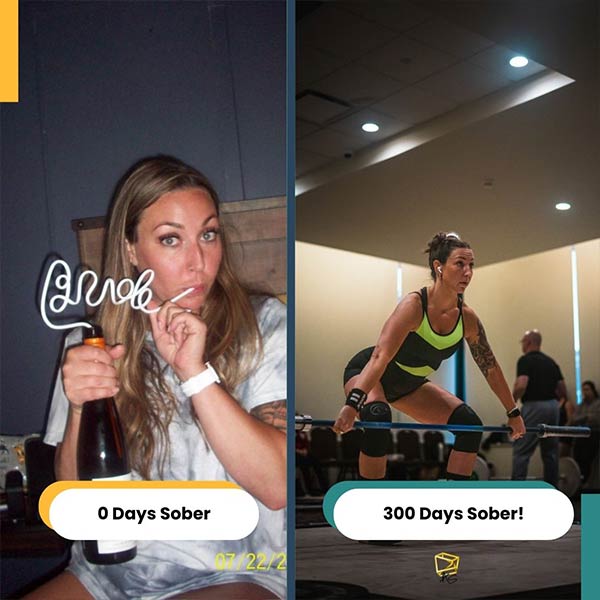
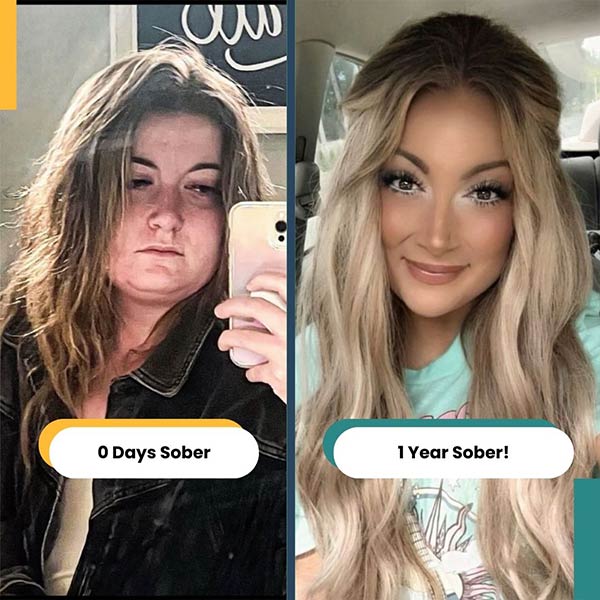
Talk to Admissions ConfidentiallyThese are real before-and-after moments from people who completed alcohol treatment and built lasting sobriety. Each one reflects more than a physical change — it is renewed purpose, strength, and the life that becomes possible when alcohol no longer controls it.



Alcohol withdrawal seizures occur in approximately 5 to 10 percent of people with significant physical dependence. There is no reliable self-assessment tool for predicting individual seizure risk. A grand mal seizure without medical personnel present is a life-threatening emergency.
DTs develop in 3 to 5 percent of alcohol withdrawal cases, typically between 48 and 72 hours after the last drink. The confusion, hallucinations, and cardiovascular instability of DTs cannot be managed at home. The mortality rate without treatment reaches 15 percent.
Every unsupported alcohol withdrawal episode sensitizes the central nervous system and increases the severity and seizure risk of the next withdrawal. Attempting home detox does not just fail — it makes the next medically supervised detox more complex and more dangerous.
Still Detox is an out-of-network provider for most insurance plans. Many clients with PPO plans that carry out-of-network benefits apply that coverage toward alcohol detox and residential treatment. Our admissions team verifies your specific benefits at no cost before admission, so you know your financial picture before you commit to anything.
We confirm exactly what your plan covers, walk through any out-of-pocket responsibility, and explain flexible payment options including monthly payment plans and promissory arrangements. Cost is never a reason to wait on alcohol treatment.
Don't see your plan here? Call us. Our specialists work with many coverage scenarios and will give you an honest answer about what is covered.
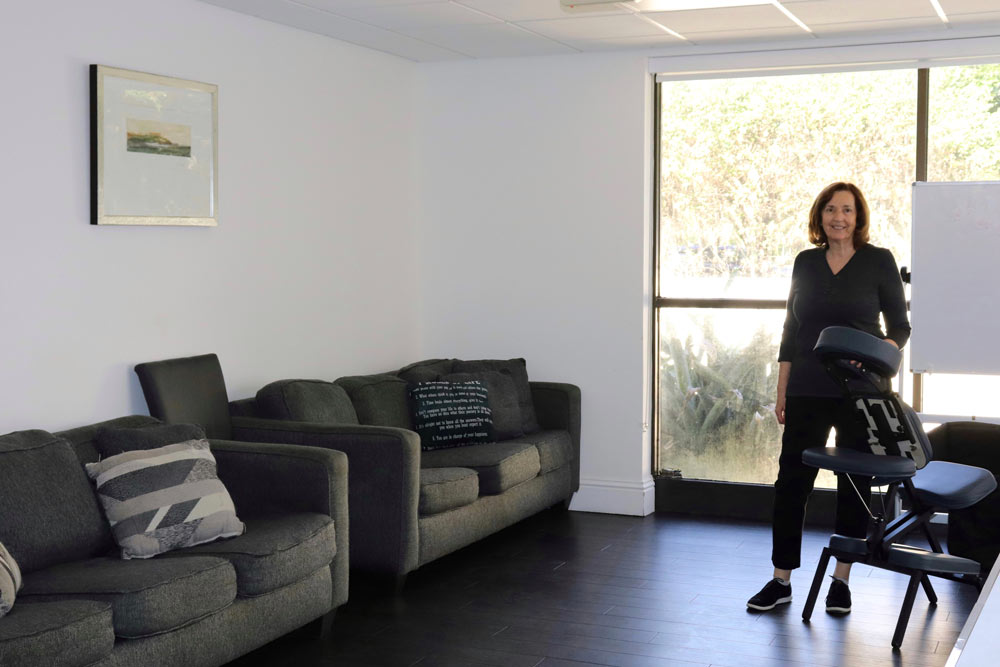
Alcohol withdrawal is physically and emotionally difficult. Our facility pairs clinical excellence with an environment designed to help the body and mind settle as fast as possible.



Still Detox accepts pregnancies through the second trimester with appropriate medical monitoring for both mother and fetus during alcohol withdrawal. Most facilities refuse even the first trimester.
Experience managing alcohol withdrawal in clients with active cirrhosis, seizure disorders, cardiovascular conditions, and age-related complex medical needs that typical detox facilities cannot safely accommodate.
Dual diagnosis treatment for co-occurring alcohol use disorder and mental health conditions, plus Medication-Assisted Treatment including naltrexone and Vivitrol as program components for alcohol use disorder.
Medically supervised alcohol detox is the safest and most effective way to stop drinking when physical dependence is present. Our team is on-site around the clock, same-day assessments are available now, and a full continuum of residential alcohol rehab begins right where detox ends. One call is all it takes to start.
We're here 24/7. Speak with admissions, confidentially and with no obligation.
☎ Call (561) 556-2677


