

Cognitive Behavioral Therapy · Boca Raton, FL
Cognitive Behavioral Therapy (CBT) in Florida
Cognitive behavioral therapy (CBT) is an evidence-based psychotherapy that helps people recognize and change the negative thought patterns behind substance use. At Still Detox in Boca Raton, CBT is a core part of addiction treatment for alcohol, opioid, stimulant and prescription drug misuse.
 Joint Commission
 Florida DCF
- LegitScript
 Psychology Today
What is cognitive behavioral therapy?
Cognitive behavioral therapy (CBT) is a widely studied, evidence-based psychotherapy built on the idea that thoughts, emotions and behaviors are connected. By learning to identify and reframe harmful beliefs, a person gains more control over emotional responses and decisions, including the decision to use substances.
At Still Detox, CBT is especially effective for clients whose substance use is tied to underlying anxiety, depression, trauma or a negative self-image, which Still Detox treats through dual diagnosis treatment.
How does CBT help in addiction treatment?
CBT breaks the loop in which automatic negative thoughts cause emotional distress and drugs or alcohol become the way to cope, by teaching clients to spot those thoughts in real time and change how they respond.
In a typical CBT session, the client and therapist identify cognitive distortions such as catastrophizing, black-and-white thinking or self-blame, and the client learns to challenge them with rational, evidence-based thinking. Over time these shifts create more adaptive behavior and reduce the urge to use substances such as cocaine, heroin and alcohol.
What does research say about CBT for substance use?
CBT is one of the most extensively studied therapies for addiction, and the National Institute on Drug Abuse (NIDA) highlights CBT as a key evidence-based approach for long-term recovery.
A 2009 meta-analysis of randomized controlled trials by Magill and Ray, published in the Journal of Studies on Alcohol and Drugs, found that CBT produced a small but statistically significant effect on alcohol and drug use outcomes. CBT works especially well combined with other treatments, such as medication-assisted treatment or mindfulness-based relapse prevention, and its structured, skill-based format suits both inpatient and outpatient recovery plans.
Which CBT techniques does Still Detox use?
Still Detox clinicians tailor CBT techniques to each client's needs and stage of recovery.
The following are the 4 CBT techniques Still Detox clinicians use most:
- Cognitive restructuring: identifying distorted thoughts, challenging them with evidence and replacing them with balanced alternatives
- Behavioral activation: engaging in positive, value-driven activities to break cycles of avoidance, especially useful with depression or apathy
- Trigger mapping and exposure work: identifying internal and external triggers and reducing reactivity to them over time
- Relapse prevention planning: building a detailed action plan for high-risk situations without returning to substance use
How does CBT fit into a full treatment plan?
At Still Detox, CBT is integrated with dialectical behavior therapy (DBT), trauma-informed therapy, medication management and holistic wellness care, so the emotional, biological and environmental roots of addiction are treated together.
CBT's structured, time-limited format gives clients a roadmap toward stability, self-regulation and long-term growth, whether they are in the early stages of medical detox or rebuilding after a relapse.
What is the long-term impact of CBT?
Clients who complete CBT often report better emotional regulation, more self-confidence and clearer thinking, gains that lower relapse risk by building resilience against stress, shame and impulsive decisions.
Many clients keep using CBT tools long after treatment ends, supporting lasting recovery in everyday life.
Questions
Frequently Asked Questions
Is CBT effective for addiction?
Yes. A 2009 meta-analysis of randomized controlled trials found a small but statistically significant effect of CBT on alcohol and drug use outcomes, and NIDA highlights CBT as a key evidence-based approach.
What happens in a CBT session?
The client and therapist identify cognitive distortions such as catastrophizing, black-and-white thinking or self-blame, then practice challenging them with evidence-based thinking.
Is CBT used on its own at Still Detox?
Rarely. CBT is combined with DBT, trauma-informed therapy, medication management and holistic care in a personalized plan.
What is an example of CBT for addiction?
A client who thinks "I already slipped, so I've failed" learns to spot that all-or-nothing thinking, test it against the evidence and replace it with a balanced thought, which lowers the urge to keep using.
Can you practice CBT at home?
Yes. CBT is active and present-focused: clients practice skills and exercises between sessions, and many keep using CBT tools at home long after treatment ends.
Who delivers CBT at Still Detox?
Licensed clinicians deliver evidence-based CBT at Still Detox. Call (561) 556-2677 to speak with admissions.
Sources: NIDA, Principles of Drug Addiction Treatment: A Research-Based Guide (Third Edition), Behavioral Therapies · Magill M & Ray LA (2009), Journal of Studies on Alcohol and Drugs
Start CBT-Based Treatment at Still Detox
CBT addresses the thought patterns that fuel addiction, not just the symptoms. Call (561) 556-2677 to speak with an admissions specialist about how CBT fits your recovery.
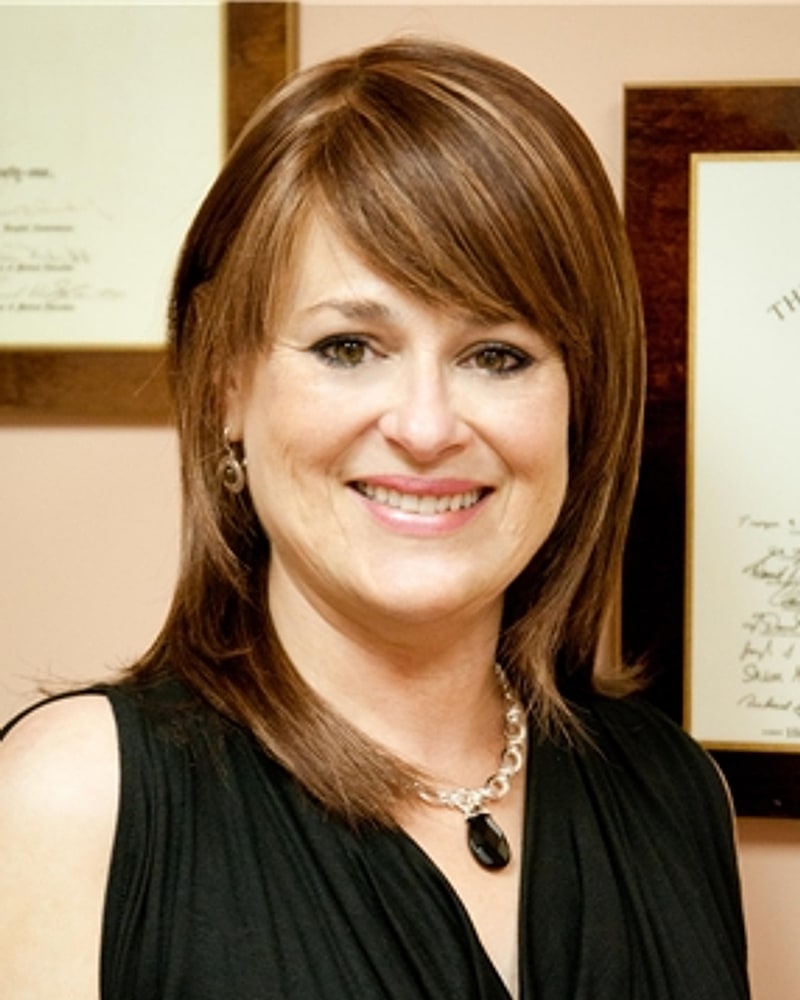
Medically reviewed by
Dr. Gladys Martinez, DO
Medical Director, Still Detox
Dr. Gladys Martinez, DO, is the Medical Director at Still Detox and a licensed osteopathic physician in Florida (license OS7477). Dr. Martinez evaluates every client in person within 24 hours of admission and oversees detox medication tapers. Read Dr. Gladys Martinez’s full bio.