


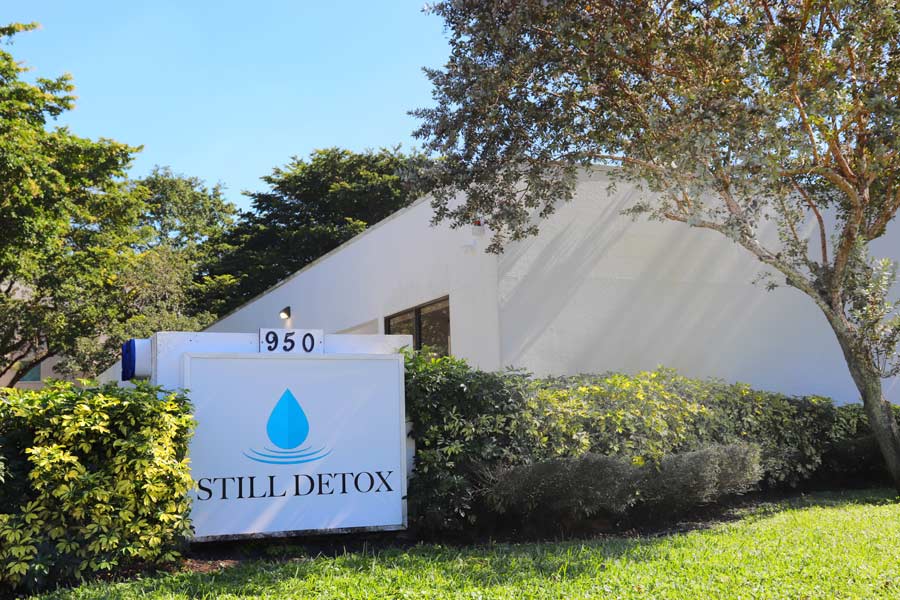
Dialectical Behavior Therapy · Boca Raton, FL
Dialectical Behavioral Therapy (DBT) For Substance Abuse in Florida
Dialectical behavior therapy (DBT) is an evidence-based psychotherapy that teaches skills to manage intense emotions and reduce self-destructive behavior. At Still Detox in Boca Raton, DBT is part of addiction treatment for clients whose substance use is driven by emotional dysregulation, impulsivity or co-occurring conditions such as depression, anxiety or PTSD.
 Joint Commission
 Florida DCF
- LegitScript
 Psychology Today
What is dialectical behavior therapy?
Dialectical behavior therapy (DBT) is a structured, evidence-based psychotherapy that builds skills for managing intense emotions, reducing self-destructive behavior and building a stable, meaningful life.
Dr. Marsha Linehan developed DBT in the 1980s to treat borderline personality disorder, and DBT has since been adapted for other conditions, including substance use disorders and the co-occurring conditions treated in dual diagnosis treatment.
How does DBT support recovery from addiction?
DBT addresses why people use substances to numb emotional pain, manage overwhelming feelings or avoid distress, by teaching four skill sets that replace substance use as a way to cope.
A randomized trial by Linehan and colleagues, published in The American Journal on Addictions in 1999, found that DBT reduced drug use among women with borderline personality disorder and drug dependence. Dimeff and Linehan (2008) describe DBT for Substance Abusers (DBT-SUD), an adaptation that several randomized clinical trials found decreased substance use in patients with borderline personality disorder.
The following are the 4 DBT skill sets taught at Still Detox:
- Mindfulness: observing and describing thoughts and emotions without judgment, improving awareness and reducing reactivity to stress
- Distress tolerance: grounding, distraction and radical acceptance to manage a crisis without using substances
- Emotional regulation: identifying emotional patterns, reducing vulnerability to mood swings and increasing positive experiences
- Interpersonal effectiveness: assertiveness, boundary-setting and conflict resolution that strengthen relationships and support sobriety
What are the core functions of DBT at Still Detox?
The Still Detox DBT model follows Dr. Linehan's original framework and its five core functions, which keep the therapy faithful to the model and clinically effective.
The following are the 5 core functions of DBT in the Still Detox program:
- Enhancing capabilities: structured sessions teach practical skills for managing triggers, tolerating distress and navigating conflict
- Improving motivation: one-on-one sessions keep clients engaged, analyze setbacks and build motivation through behavioral reinforcement
- Generalizing skills: coaching to use DBT skills in real situations, especially cravings and high-stress events
- Structuring the environment: changing physical and social environments to reduce relapse cues and build recovery-friendly connections
- Supporting therapist competency: regular peer consultation among clinicians to keep DBT faithful to the model and care consistent
What should you expect from DBT at Still Detox?
DBT at Still Detox includes individual therapy, group skills training and between-session support where applicable, customized to each client's emotional needs, co-occurring conditions and recovery goals.
DBT is often combined with cognitive behavioral therapy (CBT), medication-assisted treatment (MAT) and trauma-informed care as part of a full continuum of care, from medical detox through residential treatment.
Questions
Frequently Asked Questions
Is DBT used for substance abuse?
Yes. DBT has been adapted for substance use disorders as DBT for Substance Abusers (DBT-SUD), and randomized trials found it reduced substance use in people with borderline personality disorder.
Who created DBT?
Dr. Marsha Linehan developed dialectical behavior therapy in the 1980s to treat borderline personality disorder. DBT has since been adapted for substance use disorders.
Does DBT work for addiction?
A 1999 randomized trial in The American Journal on Addictions found that DBT reduced drug use among women with borderline personality disorder and drug dependence.
What are the four DBT skills?
Mindfulness, distress tolerance, emotional regulation and interpersonal effectiveness.
Is DBT combined with other therapies?
Yes. At Still Detox, DBT is often combined with CBT, medication-assisted treatment and trauma-informed care.
Sources: Linehan MM et al. (1999), Dialectical behavior therapy for patients with borderline personality disorder and drug dependence, The American Journal on Addictions · Dimeff LA & Linehan MM (2008), Dialectical Behavior Therapy for Substance Abusers, Addiction Science & Clinical Practice
Get Support Today
If addiction and emotional dysregulation are affecting you or a loved one, DBT can be a powerful tool for healing. Call (561) 556-2677 to speak with a clinical specialist.
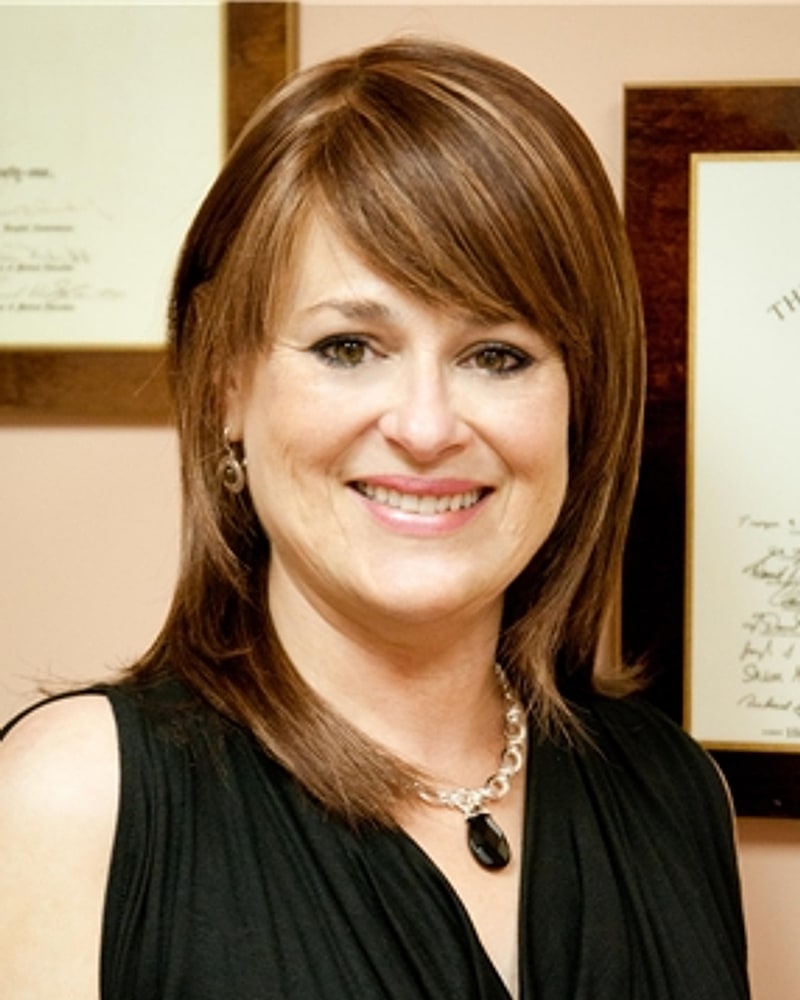
Medically reviewed by
Dr. Gladys Martinez, DO
Medical Director, Still Detox
Dr. Gladys Martinez, DO, is the Medical Director at Still Detox and a licensed osteopathic physician in Florida (license OS7477). Dr. Martinez evaluates every client in person within 24 hours of admission and oversees detox medication tapers. Read Dr. Gladys Martinez’s full bio.