
Still Detox provides medically supervised amphetamine addiction treatment and stimulant use disorder care for adults in Boca Raton, Florida. Our board-certified Medical Director, 24/7 nursing team, and licensed clinical staff manage amphetamine withdrawal and stabilization across all amphetamine-type substances — from prescription medications like Adderall and Vyvanse to illicit amphetamines. Call now for a confidential, same-day assessment.
Free & confidential — takes about 60 seconds
 Joint Commission Accredited
 Florida DCF Licensed
 LegitScript Certified
 Verified by Psychology Today
Amphetamine addiction is classified by the DSM-5 as stimulant use disorder — amphetamine type — a chronic condition defined by compulsive amphetamine use despite significant harm to health, relationships, work, or daily functioning. Amphetamines are a class of central nervous system stimulants that act primarily by increasing the release of dopamine and norepinephrine in the brain. This class includes prescription medications such as Adderall (mixed amphetamine salts), Dexedrine (dextroamphetamine), and Vyvanse (lisdexamfetamine), as well as illicitly manufactured amphetamine compounds.
With repeated amphetamine exposure, the brain's dopamine reward system is progressively restructured. Dopamine receptor density decreases, natural dopamine production is suppressed, and the brain becomes neurologically dependent on the external stimulant to maintain baseline mood, energy, and cognitive function. This is the mechanism behind both tolerance and the severe psychological crash that accompanies withdrawal. Amphetamine use disorder shares the same DSM-5 diagnostic framework as Adderall addiction and methamphetamine addiction, though each substance differs in potency, route of administration, and speed of onset.
Amphetamine addiction is a neurological condition, not a behavioral choice. The dopamine system of someone who has used amphetamines heavily and chronically is measurably different from a drug-naive brain. Functional neuroimaging studies show reduced dopamine receptor availability and blunted dopamine release in the striatum of chronic amphetamine users — changes that persist well beyond acute withdrawal. This is why stopping alone feels neurologically impossible: the brain's own reward circuitry has been restructured around the drug.
The primary clinical risks of unsupported amphetamine cessation are psychological. Severe depression during the acute withdrawal window is well-documented, and in individuals with pre-existing mood disorders or after high-dose long-term use, suicidal ideation requires active monitoring. Post-acute withdrawal syndrome (PAWS) extends anhedonia, cognitive impairment, and emotional blunting for weeks to months — the period of highest relapse risk. Per NIDA, stimulant withdrawal produces dysphoric mood accompanied by physiological symptoms including fatigue, psychomotor retardation, vivid dreams, and hypersomnia.
At Still Detox, clients with amphetamine use disorder do not require a medical taper. Unlike alcohol or benzodiazepine withdrawal, amphetamine withdrawal does not carry a risk of seizures or cardiovascular collapse. Clients are admitted directly into medically monitored stabilization and residential care, with dual diagnosis evaluation integrated from the first clinical day.

Amphetamine use disorder demands a treatment environment that understands both the neuroscience of stimulant dependence and the psychiatric complexity — ADHD, anxiety, depression — that almost always accompanies it.
Our Medical Director, board-certified in addiction medicine, evaluates every client within 24 hours of admission. Amphetamine withdrawal symptoms are monitored and clinically managed with individualized comfort care throughout the stabilization period.
Located on the University Hospital campus, directly adjacent to Boca Regional Hospital. Emergency services are immediately available for any psychiatric or medical escalation during amphetamine withdrawal stabilization.
Amphetamine misuse rarely occurs in isolation. Our clinical team evaluates and treats co-occurring ADHD, anxiety, depression, bipolar disorder, and trauma simultaneously — not after a separate referral at a separate facility.
Stabilization flows directly into inpatient residential treatment on the same campus. Same team, same setting, no restarting intake at the most critical stage of early recovery.
Every team member, from behavioral health techs through the Medical Director, is fluent in English and Spanish. Complete amphetamine treatment services are available in Spanish.
Unlike most facilities, Still Detox fully accommodates legitimate service animals. Dogs and cats are welcome during treatment. Recovery should never require leaving your companion behind.
People come to Still Detox at their most vulnerable. Here is what they say about the care, the clinical team, and the recovery they found on the other side of stimulant addiction.
Amphetamine withdrawal occurs when someone physically dependent on amphetamine-type substances stops use or significantly reduces dose. The brain's dopamine and norepinephrine systems — chronically over-stimulated by amphetamines — undergo a sharp correction. The neurochemical result is the inverse of the drug's effects: exhaustion in place of energy, emptiness in place of motivation, cognitive paralysis in place of focus.
The severity and duration of amphetamine withdrawal depend on the specific substance used, whether it is immediate-release or extended-release, the duration and quantity of use, route of administration, and co-occurring psychiatric conditions. Prescription amphetamines such as Adderall and Vyvanse typically produce a more gradual withdrawal than illicit amphetamines due to their formulated absorption profiles.
The initial amphetamine crash begins within hours of the last dose. Extreme fatigue, dysphoric mood, irritability, and increased appetite emerge as dopamine and norepinephrine levels fall. Cognitive function, focus, and motivation deteriorate sharply. Extended-release formulations such as Vyvanse may delay onset by several hours compared to immediate-release amphetamines.
The most clinically significant window. Depression, hypersomnia, severe cravings, muscle aches, headaches, and cognitive fog reach peak intensity. Clients with pre-existing depressive disorders, bipolar disorder, or trauma histories are at highest risk for clinical depression and suicidal ideation and require active psychiatric monitoring during this window.
Acute physical symptoms begin to resolve. Mood remains unstable, with persistent low motivation, difficulty concentrating, anhedonia, anxiety, and sleep disruption. Cravings peak during the first week and are the primary driver of early relapse in individuals without structured clinical support. The return of energy and baseline mood begins gradually during this phase.
Post-acute withdrawal syndrome (PAWS) from amphetamine use disorder affects a significant portion of long-term heavy users. Symptoms include persistent anhedonia, emotional blunting, cognitive difficulty with complex tasks, low motivation, and stress-triggered cravings. PAWS can extend for weeks to several months and substantially elevates relapse risk without ongoing therapeutic and clinical support.

Knowing what to expect removes one of the biggest barriers to asking for help. Here is exactly how amphetamine addiction treatment at Still Detox works from the first call through residential step-down.
Your admissions representative gathers your amphetamine use history, current medications, and co-occurring conditions. Out-of-network PPO benefits are verified before you commit, and logistics including travel and childcare are coordinated on your behalf.
A pre-admission call within three days of your arrival date covers your full stimulant use history, psychiatric history, and co-occurring conditions including ADHD, anxiety, and mood disorders, so the clinical team is prepared from the moment you walk in.
A nurse and behavioral health tech meet you together for a structured, streamlined intake: documents, informed consent, baseline vitals, and a urine toxicology screen. No long waits. No impersonal admissions process.
Within 24 hours, the Medical Director completes a full history and physical. Your comfort care plan, psychiatric evaluation, and dual diagnosis assessment are established based on your specific amphetamine use history and clinical presentation.
Vital signs monitored regularly throughout stabilization. Comfort medications address insomnia, anxiety, and physical withdrawal symptoms. Active psychiatric monitoring for depression and suicidal ideation throughout the acute window. Typical stay is 7 to 10 days.
Around day 8, you step directly into residential treatment on the same campus with the same clinical team. The therapeutic work of recovery from amphetamine use disorder begins without facility transfer or disruption.
The DSM-5 classifies amphetamine addiction as stimulant use disorder — amphetamine type — using 11 diagnostic criteria. A diagnosis requires 2 or more criteria present in a 12-month period. Mild is 2 to 3 criteria; moderate is 4 to 5; severe is 6 or more. These criteria apply to all amphetamine-type substances: Adderall, Dexedrine, Vyvanse, and illicit amphetamines.
Taking amphetamines in larger amounts or over longer periods than planned. This loss of control over quantity is an early behavioral marker of amphetamine use disorder, present even in individuals with a legitimate prescription who escalate dosage over time.
A persistent desire to reduce or stop amphetamine use combined with repeated unsuccessful efforts. The neurological changes produced by chronic amphetamine exposure make self-cessation extremely difficult without external support.
Spending significant time obtaining, using, or recovering from amphetamines. When stimulant-related activity begins to displace work, relationships, or self-care, it signals escalating severity of dependence.
A strong and often overwhelming urge to use amphetamines, particularly during fatigue, stress, or performance demands. Cravings are a neurological symptom of dopamine dysregulation, driven by the brain's learned association between amphetamines and reward.
Amphetamine use that interferes with work performance, academic responsibilities, or family obligations. Particularly common in individuals who began using amphetamines to enhance productivity and find the drug now impairs the same functions it was meant to support.
Persistent amphetamine use despite ongoing conflict with family, partners, or friends that the drug causes or worsens. Mood instability, irritability, and social withdrawal are common interpersonal consequences of amphetamine use disorder.
Giving up hobbies, social activities, or previously valued pursuits in order to use amphetamines. The progressive narrowing of a person's life around stimulant use is a clinical marker of moderate-to-severe disorder severity.
Using amphetamines in situations that carry physical risk, including while driving, combining with alcohol or other substances, or using unprescribed doses. Reflects the impaired risk judgment associated with chronic stimulant use.
Persisting with amphetamine use despite awareness of physical or psychological consequences including cardiovascular strain, anxiety, insomnia, paranoia, or amphetamine-induced psychosis in severe cases of heavy long-term use.
Requiring significantly higher amphetamine doses to achieve the same effect, or finding that the same dose no longer produces its original impact. Tolerance reflects neuroadaptation of the dopamine system and is a direct marker of developing physical dependence.
Experiencing the amphetamine crash when stopping: severe fatigue, dysphoric mood, hypersomnia, cognitive fog, irritability, increased appetite, depression, and muscle aches. Per NIDA, stimulant withdrawal includes dysphoric mood accompanied by psychomotor retardation, vivid dreams, and fatigue. The presence of withdrawal symptoms confirms physical dependence.
Source: DSM-5 stimulant use disorder criteria (amphetamine type). Any 2 or more criteria in a 12-month period constitutes a diagnosis. If any of these apply, a clinical evaluation is the right next step.
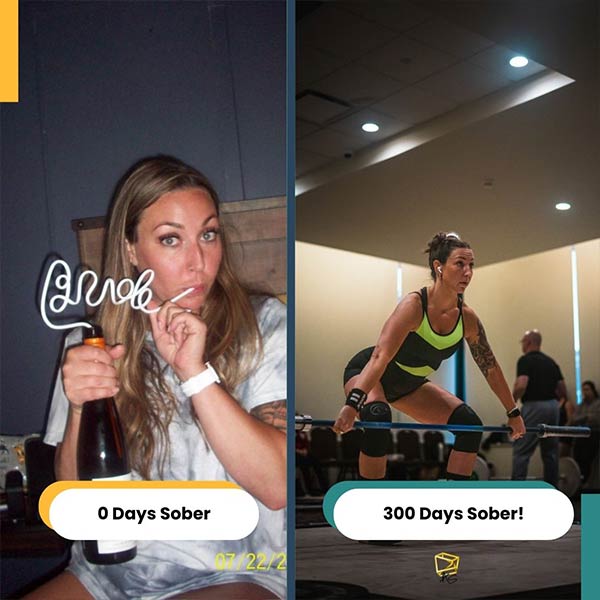
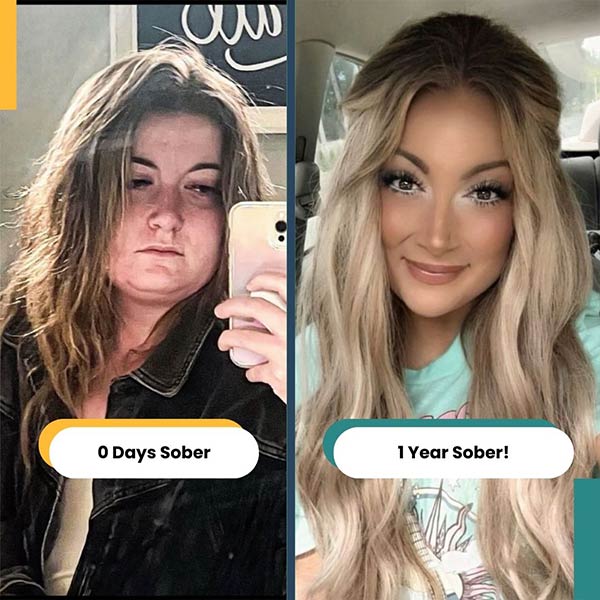
Talk to Admissions ConfidentiallyThese are real before-and-after moments from people who completed treatment at Still Detox and built lasting sobriety. Each one reflects more than a physical change — it is the return of clarity, motivation, and a life the brain can sustain on its own.



The dopamine collapse during amphetamine withdrawal can produce clinical-level depression that is neurological in origin, not situational. In individuals with pre-existing mood disorders or after heavy high-dose use, suicidal ideation is a documented risk during peak withdrawal days 1 to 3. This requires active psychiatric monitoring, not a willpower strategy.
PAWS from amphetamine use disorder can persist for weeks to months after acute withdrawal resolves. The combination of anhedonia, cognitive impairment, low motivation, and stress-triggered cravings during this window drives relapse at very high rates without structured residential and therapeutic support.
Amphetamine misuse is frequently layered over unmanaged ADHD, anxiety, depression, or bipolar disorder. Stopping amphetamines without treating the underlying condition means those symptoms return in full force, often within days, providing powerful neurological pressure toward relapse. Dual diagnosis treatment is not optional for this population.
Still Detox is an out-of-network provider for most insurance plans. Many clients with PPO plans that carry out-of-network benefits apply that coverage toward amphetamine addiction treatment and residential care. Our admissions team verifies your specific benefits at no cost and with no obligation before admission.
We confirm what your plan covers, walk through any out-of-pocket responsibility, and explain flexible payment options including monthly payment plans and promissory arrangements. The cost of care should never be the reason someone does not seek treatment for amphetamine addiction.
Don't see your plan listed? Call us. Our specialists work with many coverage scenarios and will give you an honest answer about what your plan covers.
Amphetamine withdrawal leaves the brain depleted of its ability to generate natural reward. Our facility is designed to provide clinical structure, physical comfort, and the conditions the dopamine system needs to begin its recovery.




Many clients have a legitimate ADHD diagnosis alongside amphetamine use disorder. Still Detox treats both concurrently. ADHD management is restructured around non-stimulant alternatives during and after treatment so that the disorder is addressed without re-exposing the client to the drug class they are recovering from.
Experience treating amphetamine addiction co-occurring with major depressive disorder, bipolar disorder, generalized anxiety disorder, PTSD, and other psychiatric conditions. Dual diagnosis care is integrated into the clinical plan from day one, not deferred to a later program.
Amphetamine misuse frequently co-occurs with alcohol, benzodiazepines, or opioids. Still Detox has the clinical infrastructure to manage stabilization from multiple substances simultaneously under physician supervision.
Amphetamine use disorder is a neurological condition with a clinical solution. Our team is on-site 24 hours a day, same-day assessments are available now, and a full continuum of residential care begins immediately after stabilization. One call is all it takes to start.
We're here 24/7. Speak with admissions, confidentially and with no obligation.
☎ Call (561) 556-2677