


Ativan addiction can have serious and alarming effects on the body, behavior, and emotions. Early detection of these signs can help prevent severe health complications and support successful recovery.
One of the most dangerous physical effects is respiratory depression — Ativan is known to slow down breathing, and in extreme cases, it can even cause breathing to stop completely.
If you or someone you know is showing signs of Ativan addiction, it is crucial to seek professional help immediately. Early intervention improves the chances of a successful and lasting recovery.
When taken in higher doses than recommended or for longer periods than necessary, Ativan can lead to physical and psychological dependence, resulting in withdrawal symptoms when stopped. Moreover, the combination of Ativan and alcohol or other drugs can increase the risk of addiction, tolerance, and overdose, with the combination of Ativan and alcohol posing life-threatening risks.
One of the most potent Benzodiazepines available, Ativan poses a significant risk for addiction.
The signs of Ativan addiction include taking more than prescribed, mixing it with other drugs or alcohol, feeling like you need the drug to function normally, and experiencing withdrawal symptoms such as nausea, shaking, sweating, and insomnia when you stop taking it.
It only takes a few weeks to develop a dependence on Ativan and it can be difficult to stop taking Ativan without professional help. Withdrawal symptoms can occur if you suddenly stop taking Ativan, so it is important to seek medical advice before attempting to quit.
During the first few days of withdrawal, people may experience rebound anxiety, sleep disturbances, mood swings, and other uncomfortable symptoms.
Symptoms such as headaches, nausea, muscle pain, and weakness may start to appear during this time period.
During this period, people may experience intense cravings for the drug as well as increased anxiety and depression.
The intensity of withdrawal symptoms will begin to decrease during this time frame but may still linger for several weeks or months after stopping Ativan use.
It is important to note that the timeline and severity of withdrawal symptoms can vary from person to person. Seeking medically managed withdrawal with the use of medications can help alleviate symptoms and reduce the risk of relapse.
According to the National Institute on Drug Abuse (NIDA), taking opioids in combination with benzodiazepines like Ativan can increase the risk of life-threatening overdose, as both types of drugs can cause sedation and suppress breathing.
Prolonged use of Ativan can result in a wide range of long-term side effects that impact both physical and mental health. It is important to be aware of these risks to seek help before serious complications develop. Common long-term side effects of Ativan use include:
In extreme cases, prolonged Ativan use can result in overdose, permanent brain damage, or even death. Early medical intervention and addiction treatment are essential to prevent these serious outcomes.
Ativan addiction is a serious and potentially life-threatening condition that can have severe consequences if left untreated. The prolonged use of Ativan can lead to dependence and addiction, even when taken as prescribed. Dependence on Ativan means that a person has developed a tolerance to the drug and needs it to function normally, which can result in a dangerous cycle of addiction.
It is crucial to understand the signs of Ativan dependence, seek professional help, and engage in a comprehensive treatment program to overcome addiction and manage withdrawal symptoms.
Ativan addiction can present itself in various ways, and individuals who struggle with this condition may experience the following symptoms:
Increasing tolerance: Needing more of the drug to achieve the same effects.
Excessive use: Taking larger doses than prescribed.
Withdrawal symptoms: Experiencing physical and psychological symptoms when not using the drug.
Neglecting responsibilities: Prioritizing drug use over personal or professional obligations.
Changes in mental state: Confusion, lack of concentration, irritability, and restlessness.
Nausea: Feeling sick, especially when not using the drug.
Sweating: Excessive perspiration, often during withdrawal.
Muscle aches and pains: Soreness and discomfort in various muscle groups.
Tremors or shakes: Involuntary shaking or trembling, often during withdrawal.
Headaches: Persistent or recurring head pain.
Fatigue: Persistent tiredness or exhaustion.
Insomnia: Difficulty falling asleep or staying asleep.
Loss of appetite: Decreased interest in food and eating.
It is important to note that the timeline and severity of withdrawal symptoms can vary from person to person. Seeking medically managed withdrawal with the use of medications can help alleviate symptoms and reduce the risk of relapse.
Abruptly discontinuing the use of Ativan after long-term use can lead to serious risks and dangers.
Ativan, when taken as prescribed, functions by calming the body and slowing down the central nervous system. However, individuals who suddenly stop taking Ativan after long-term use may experience withdrawal symptoms such as headache, anxiety, muscle tension, depressive symptoms, sleep difficulties, restlessness, confusion, increased irritability, and sweating. In some cases, more severe side effects such as shortness of breath or passing out may occur. Moreover, people who take higher doses of Ativan have an increased risk of adverse withdrawal reactions after discontinuation or rapid dosage reduction.

Mixing alcohol and Lorazepam (Ativan) is not recommended, as it can lead to serious consequences. The sedating effects of both substances can be increased, leading to impaired coordination, slowed reaction time, confusion, and dizziness. This combination can also cause the heart rate to slow down and breathing difficulties. Impaired memory and coordination can result in making irrational choices that one may be unable to remember. Taking both drugs together also increases the risk of developing tolerance, as well as physical and psychological dependence, which can lead to an overdose.
Recognizing the signs of an Ativan overdose is critical for ensuring timely medical intervention. Overdose symptoms can vary between individuals, but typically involve severe physical and behavioral changes. Early detection can prevent fatal outcomes and significantly improve the chances of recovery.
Physical symptoms often appear quickly and may indicate that the central nervous system is dangerously suppressed. Immediate emergency care is vital.
Behavioral symptoms involve cognitive and mood disruptions, often indicating that the overdose is affecting brain function and emotional stability.
If you suspect someone is experiencing an Ativan overdose, call emergency services immediately. Swift intervention is critical for survival and recovery.
At Still Detox Luxury Rehab, we specialize in comprehensive Ativan addiction treatment programs with an emphasis on detoxification. Our personalized treatment programs address both the physical and psychological aspects of addiction.
Detoxification is the crucial first step in overcoming Ativan addiction, and we offer a safe and supportive environment for individuals to undergo this process. Our team provides 24/7 medical supervision to manage withdrawal symptoms and ensure comfortable and successful detoxification.
We use a combination of medication and non-pharmacological therapies, such as yoga and self-help groups, to support the recovery process.
Our goal is to empower individuals to achieve long-term sobriety and a healthy, fulfilling future free from addiction.


We develop customized treatment plans that are tailored to each client's unique needs, ensuring they are best positioned to achieve a successful recovery from addiction.

Our team comprises a skilled cohort of physicians, counselors, and nurses, among others. We possess the expertise to equip you with the necessary resources to overcome substance abuse and establish sustainable healing.

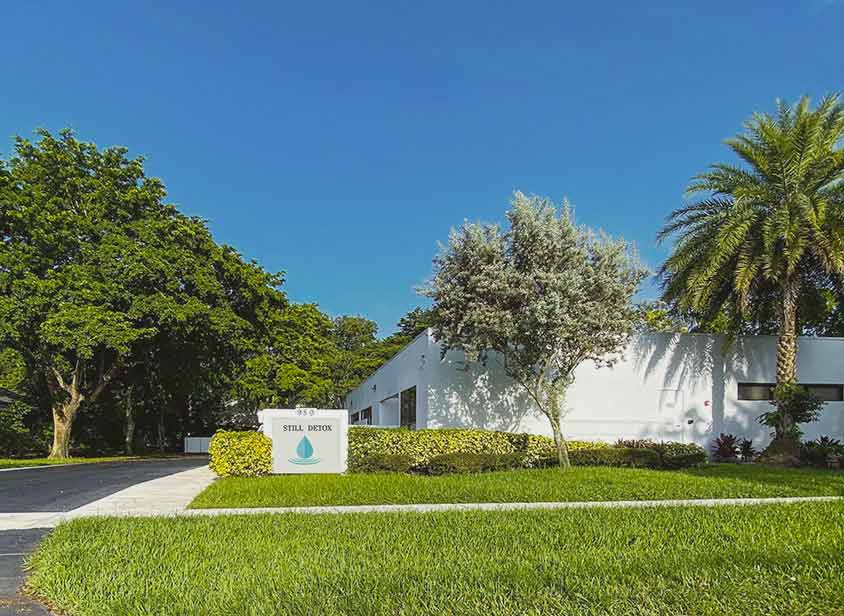
Still Detox is located in Boca Raton, FL in a quiet, peaceful, and relaxing location that will allow anyone the chance to get away and focus on their recovery.

Receiving the necessary treatment for addiction should not be limited by financial means, although it can pose a difficulty. For this reason, We have various self-pay and financing options available.
Accreditations & Memberships


We understand that there are no shortcuts on the path to recovery, and our compassionate team offers unwavering support and intensive care throughout your healing journey.
Still Detox is a member of Still Behavioral Health Group.
Get Help Now
If you or someone you care about is seeking support for substance abuse and addiction challenges, we are here to offer our assistance. This is where your journey towards healing begins.
© 2026 | Still Detox Drug and Alcohol Treatment Center in Florida
950 NW 9th CT, Boca Raton, FL 33486
We will get in touch with you shortly.