


Amphetamines, classified as Schedule II controlled substances by the Drug Enforcement Administration, share the same designation as cocaine, OxyContin, and fentanyl.
Amphetamines are substances that stimulate the nervous system, and they are commonly prescribed to address various conditions such as attention-deficit/hyperactivity disorder (ADHD), sleep disorders, nasal congestion, and, in some cases, depression and anxiety alongside other medications.
Dangers Of Amphetamine
Amphetamine use can have serious dangers to the body, particularly when used improperly or abused. One of the most significant dangers is the impact of amphetamine on the cardiovascular system. The drug can cause an increase in heart rate and blood pressure, which can lead to heart attacks, strokes, and other cardiovascular problems. Long-term use of amphetamine can also lead to liver and kidney damage, as well as neurological damage, including impaired memory and cognitive function.
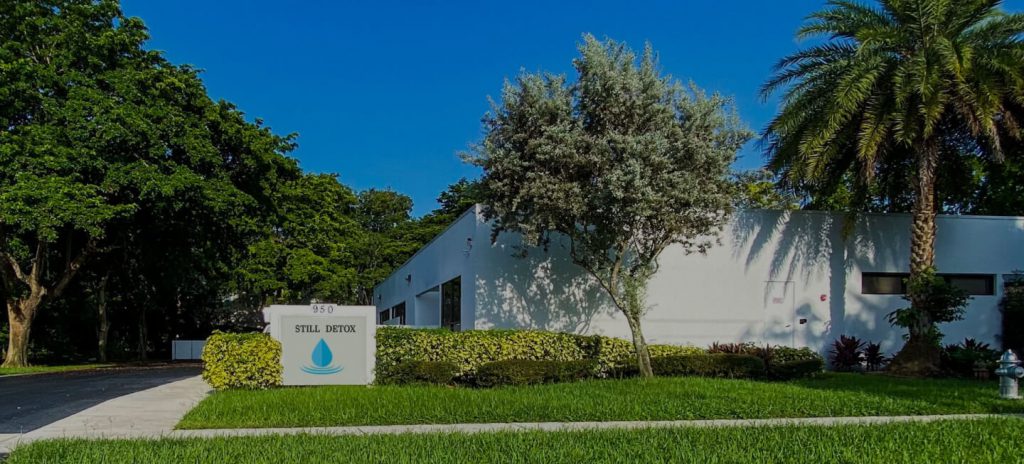
At Still Detox Luxury Rehab in Boca Raton, Florida, we believe that inpatient treatment is critical for successful amphetamine addiction and recovery. Our facility provides a safe and supportive environment for individuals to undergo the withdrawal process, with a focus on comprehensive and personalized care
Long-term amphetamine use can lead to serious physical and mental health problems, including cardiovascular damage, psychosis, and addiction. Recognizing the signs early is crucial for timely intervention and treatment.
Amphetamine abuse is a serious concern due to its high potential for both physical and psychological dependence. When individuals use amphetamines without a valid prescription, it is often to achieve a euphoric high or enhance performance—both of which are illegal uses.
These unauthorized uses are typically referred to as street or recreational drug use. Engaging in such practices can lead to addiction, long-term health consequences, and legal issues.
Amphetamines are known by various street names depending on the type and form of the drug:
| Type | Common Street Names |
|---|---|
| Amphetamine | goey, louee, speed, uppers, whiz |
| Dextroamphetamine (illegally used ADHD meds) | dexies, kiddie-speed, pep pills, uppers, black beauty |
| Methamphetamine (crystal form) | base, crystal, d-meth, fast, glass, ice, meth, speed, whiz, pure, wax |
| Methamphetamine (liquid form) | leopard’s blood, liquid red, ox blood, red speed |
Illegal amphetamines are available in many forms, including pills, capsules, powder, paste, crystal, and liquid. Methods of use include swallowing, dabbing onto gums, snorting, injecting, and smoking — all of which carry significant health risks.
At Still Detox, we understand that amphetamine addiction affects everyone differently. That’s why our treatment programs are fully personalized to meet your specific medical, emotional, and psychological needs.
If you or a loved one is struggling with amphetamine addiction, we’re here to help you reclaim control, restore health, and rebuild your life. Recovery starts with a single step, reach out today and take it with Still Detox.
If you suspect someone is experiencing an amphetamine overdose, seek emergency medical help immediately. Overdose symptoms can escalate quickly and become life-threatening without prompt intervention.
Amphetamine withdrawal occurs after prolonged or heavy use and can cause a variety of physical and psychological symptoms. According to the National Institute on Drug Abuse (NIDA), withdrawal symptoms typically include fatigue, depression, sleep disturbances, and intense cravings. Symptoms usually peak within the first few days after cessation but can persist for weeks in some cases.
| Stage | Timing | Symptoms |
|---|---|---|
| Early Withdrawal | 12–24 hours | Fatigue, anxiety, irritability, increased appetite |
| Peak Withdrawal | 1–3 days | Depression, insomnia, intense cravings, restlessness |
| Subacute Withdrawal | 4–14 days | Mood swings, difficulty concentrating, low energy |
| Protracted Withdrawal | Several weeks to months | Persistent depression, occasional cravings, anxiety |

No, cocaine is not an amphetamine. Although both cocaine and amphetamines are stimulant drugs, they have different chemical structures and ways of affecting the brain.
Cocaine comes from the coca plant and is considered a local anesthetic and a potent stimulant. It works by blocking the reuptake of certain chemicals in the brain, like dopamine and serotonin, which leads to increased levels of these chemicals in the brain’s communication pathways.
Amphetamines, on the other hand, are synthetic substances that belong to a different group of compounds. They stimulate the release and inhibit the reuptake of dopamine, norepinephrine, and sometimes serotonin in the brain. Amphetamines have their own unique chemical structure and way of affecting brain function.
The length of time amphetamines remain detectable in the body depends on factors such as metabolism, dosage, frequency of use, and the specific type of amphetamine. Detection times also vary based on the type of test administered.
| Test Type | Detection Window |
|---|---|
| Urine | 1 to 4 days after last use |
| Blood | 12 to 24 hours after last use |
| Saliva | 1 to 3 days after last use |
| Hair | Up to 90 days or longer |
These are general estimates, and individual results may vary. Factors such as hydration, overall health, and frequency of amphetamine use can influence how long the substance stays detectable.
Amphetamine and methamphetamine (meth) are both stimulant drugs that belong to the amphetamine class. While they share similarities, there are important differences between the two:
Chemical Structure
The main difference lies in their chemical structures. Amphetamine is α-methylphenethylamine, whereas methamphetamine is N-methylamphetamine. Methamphetamine has an additional methyl group attached to the amine group of amphetamine, making it more potent.
Potency
Methamphetamine is generally more potent than amphetamine. It has a stronger effect on the central nervous system and produces a more intense stimulant effect.
Medical Uses
Amphetamine has approved medical uses and is prescribed for conditions such as attention-deficit/hyperactivity disorder (ADHD), narcolepsy, and, in rare cases, weight loss. Methamphetamine also has medical uses for ADHD and narcolepsy, but it is less commonly prescribed for weight loss due to its higher potential for abuse.
Illicit Use
While both drugs can be misused and used recreationally, methamphetamine has gained notoriety for its widespread illicit use. Methamphetamine is often illegally manufactured, distributed, and consumed.
Effects
Both methamphetamine and amphetamine stimulate the central nervous system, increasing focus, alertness, and energy. However, methamphetamine generally produces more intense euphoria and longer-lasting effects compared to amphetamine.
Health Risks
Prolonged or heavy use of either drug can lead to various health risks, including cardiovascular issues, mental health problems, and a range of adverse effects on overall well-being. Methamphetamine is often associated with more severe and pronounced health risks due to its higher potency and longer duration of action.
It’s important to note that attempting to stop amphetamine use on your own abruptly can be dangerous. The withdrawal process can be physically and emotionally challenging. That’s why our specialized detox programs are designed to ensure your safety and comfort during this critical phase.
Don’t wait for a tragic moment to seek help. Contact Still Detox Luxury Rehab in Boca Raton, Florida today to take the first step towards a brighter future. Together, we can overcome amphetamine addiction and guide you toward a life of lasting recovery and fulfillment.


We develop customized treatment plans that are tailored to each client's unique needs, ensuring they are best positioned to achieve a successful recovery from addiction.

Our team comprises a skilled cohort of physicians, counselors, and nurses, among others. We possess the expertise to equip you with the necessary resources to overcome substance abuse and establish sustainable healing.

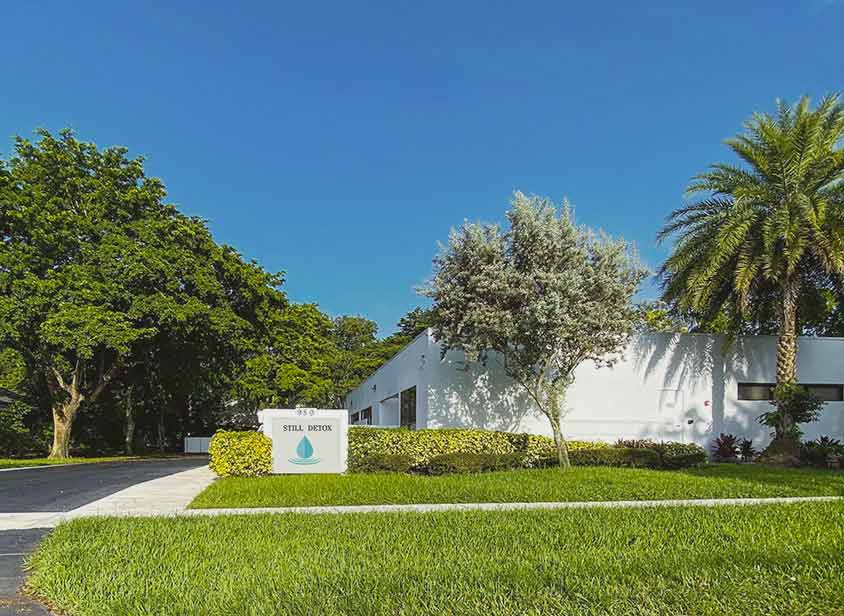
Still Detox is located in Boca Raton, FL in a quiet, peaceful, and relaxing location that will allow anyone the chance to get away and focus on their recovery.

Receiving the necessary treatment for addiction should not be limited by financial means, although it can pose a difficulty. For this reason, We have various self-pay and financing options available.
Accreditations & Memberships


We understand that there are no shortcuts on the path to recovery, and our compassionate team offers unwavering support and intensive care throughout your healing journey.
Still Detox is a member of Still Behavioral Health Group.
Get Help Now
If you or someone you care about is seeking support for substance abuse and addiction challenges, we are here to offer our assistance. This is where your journey towards healing begins.
© 2026 | Still Detox Drug and Alcohol Treatment Center in Florida
950 NW 9th CT, Boca Raton, FL 33486
We will get in touch with you shortly.