

Cocaine is a powerful stimulant, and yes, you can overdose on cocaine even after your first use. Whether you’re snorting, bumping (taking small amounts), smoking, injecting, or even boofing cocaine, the risk of overdose is high.
Many believe that starting slow or choosing a different method will keep them safe from overdosing, but this is a misconception. Each route delivers a potent high straight into your bloodstream, posing significant risks.
Before you consider trying it, or even if you are a casual user, understand that you can OD on cocaine faster than you can say “just one more.” The risk is real and immediate.
Moreover, approximately 50% of cocaine is contaminated with Fentanyl significantly increases the risk of accidental overdose. Additionally, a new synthetic opioid called Nitazenes is becoming more prevalent, further elevating the risk of contamination and overdose.
Can you overdose on cocaine?
Anyone can overdose on cocaine. However, certain risk factors can increase the chances of overdosing,including:
- Higher Doses: Taking more than the body can handle raises the risk of overdose.
- Relapsing After Detox: Relapsing after a period of detox can be especially dangerous.
- Decreased Tolerance: Using your usual dosage after a break can lead to overdose due to lowered tolerance.
- Medical Conditions: Heart or blood pressure issues make cocaine overdose more likely and dangerous. Many users may have undiagnosed conditions, increasing their risk without their knowledge.
Overdose on Coke
Cocaine can cause a short-lived high, leading users to crave more doses quickly. Whether you try a small amount or binge, the risk of overdose is always present.
From 2015 to 2019, drug overdose deaths involving cocaine increased from 6,784 to 15,883, with a 73.5% increase in cocaine-involved deaths reported from 2019 to 2022 according to data presented by Centers for Disease Control and Prevention (CDC).
The immediate dangers of a cocaine overdose include heart failure, cardiac arrest, and accidents caused by cognitive impairment and paranoia. While cocaine can negatively impact every organ, its most lethal effects are on the cardiovascular system.
What Increases Your Risk of Overdose on Cocaine?
There are several factors, besides your pre-existing health conditions, that can increase the risk of overdose on cocaine:
Laced or Contaminated Cocaine
Cocaine is often laced with fentanyl, carfentanil, and newly emerging nitazenes. These substances can mask cocaine’s stimulant effects, making it hard to recognize an overdose. Always test your cocaine before use.
Fentanyl-Laced Cocaine: Drug dealers frequently mix fentanyl with cocaine to boost potency or by accident when using the same equipment for different drugs. This contamination can lead to a high risk of addiction and overdose.
According to DEA report, in some areas, up to 50% of the cocaine supply might be contaminated with fentanyl, leading to a disturbing rise in deaths.
Nitazenes in Cocaine: Recently, cocaine in Melbourne was found contaminated with nitazenes, a powerful group of opioids. These drugs are extremely potent and dangerous, especially for those not used to opioids. They act fast and stay in the body longer, increasing the risk of rapid respiratory failure.
Signs of overdosing from contaminated cocaine
Recognizing an overdose from fentanyl-laced cocaine involves looking for specific signs:
- Rapid Onset of Symptoms: Both fentanyl and nitazenes can cause drowsiness, disorientation, and trouble breathing within minutes. If these symptoms appear right after using cocaine, it might be laced with these opioids.
- Physical Symptoms: Look for pinpoint pupils, severe breathing problems, and unconsciousness.
Cocaine Overdose and Heat
On days with temperatures of 31.1°C (88°F) or higher, the average number of cocaine overdose deaths was 2.34, which is 33% higher than on cooler days with temperatures below 31.1°C (88°F). Heat increases the risk of overdose due to the added strain on the body.
How much Cocaine does it take to overdose?
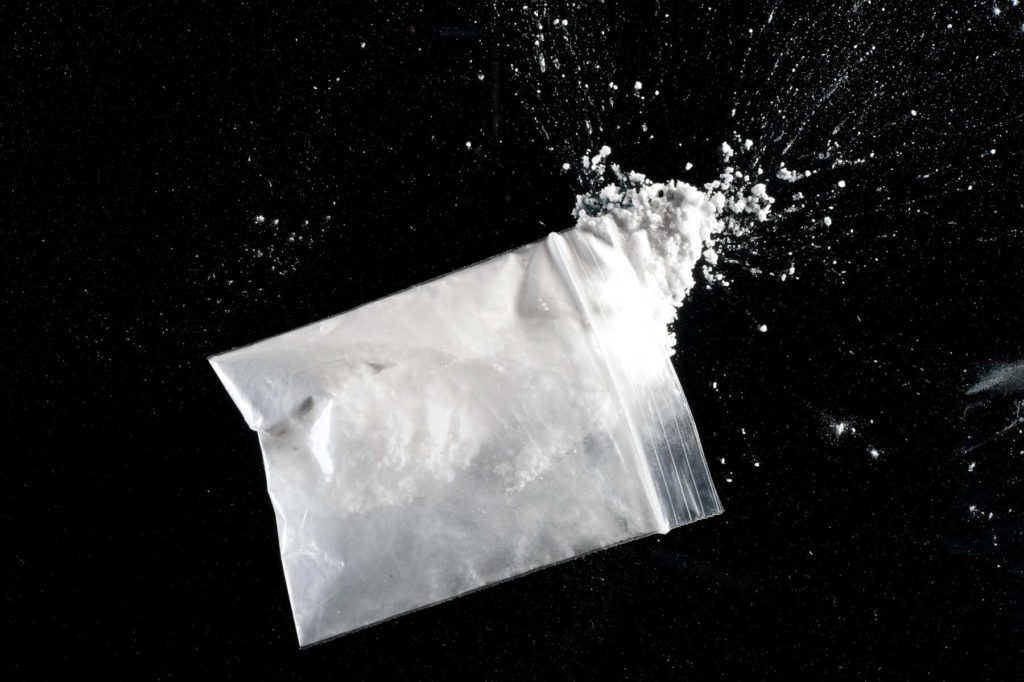
You can never truly know how much cocaine will cause an overdose. For some individuals, even as little as 0.2 grams can be dangerous, while a heavy user might consume up to 3 grams a day without immediate issues. However, on any given day, just 1 gram could trigger a heart attack.
Scientific research indicates that it takes about 1.2 grams of cocaine to potentially cause a fatal overdose. However, it’s important to understand that the risk of overdose is highly individualized.
Non Fatal Overdose
Cocaine overdose does not always result in death, and there are instances of non-fatal overdoses that can occur, even if untreated.
Many individuals experience non-fatal cocaine overdoses. A study indicated that a significant percentage of cocaine users reported experiencing serious symptoms associated with overdose, but not all resulted in death.
Approximately 13% of users in one study reported having overdosed on cocaine at least once, with many surviving the experience without immediate medical intervention.
Symptoms might include;
- palpitations,
- intense sweating,
- and severe nausea/vomiting,
- anxiety,
- paranoia and hallucinations.
However, untreated overdoses can lead to long-term health issues, such as brain damage or chronic cardiovascular problems.
What Happens During a Cocaine Overdose?
High doses of cocaine cause severe blood vessel constriction, putting a heavy strain on the heart muscle. Blood pressure rapidly increases, potentially causing pulmonic bleeding, thrombosis, or brain spasms, leading to strokes. Kidney damage may also occur due to constricted blood vessels.
Stages of Overdose
Stage 1: Psychosis, anxiety, feverish behavior, mild hallucinations, and paranoia. Pupils will be extremely dilated. Stay calm and focus on your breath; seek help if symptoms persist.
Stage 2: Headache, shivering, involuntary movements, sweating, clamminess, tremors, shortness of breath, chest tightness, convulsions, and fainting. Contact medical personnel immediately.
Stage 3: Hallucinations, irregular heartbeat, nausea, disorientation, delirium, thoracic pain, and severe headache. Seek immediate emergency assistance.
Cocaine Overdose Symptoms
- Dilated or constricted pupils
- No pupillary response to bright light
- Erratic behavior and involuntary movements
- Tremors and seizures
- Blue skin or lips
- Delusions and confusion
- Severe anxiety
- Difficulty breathing
- Nausea and vomiting
- Unsteady gait
- Drowsiness or loss of consciousness
- Excessive sweating or dry skin
- Blisters or rashes
- Abnormal body temperature
- Aggressive demeanor
If you suspect an overdose, call 911 immediately, even if symptoms don’t match. Your safety is paramount.

Duration of Overdose Risk After Cocaine Use
After using cocaine, the risk of overdose can persist for several hours. Here’s what you need to know:
Immediate Effects: The effects of cocaine are felt quickly, depending on how it’s used:
Snorting: 3-5 minutes
Injecting: 10-15 seconds
Smoking: 10-60 seconds
Boofing/Plugging: 5-10 minutes
Continued Risk: The risk of overdose remains high for up to 6 hours after the last use. This varies based on factors like your tolerance, the amount used, and if other substances are involved.
Cumulative Effects: Taking multiple doses in a short time can increase the risk of overdose, even after the initial high fades.
The first 1 to 6 hours after using cocaine are the most critical for overdose risk. Stay aware and take precautions.
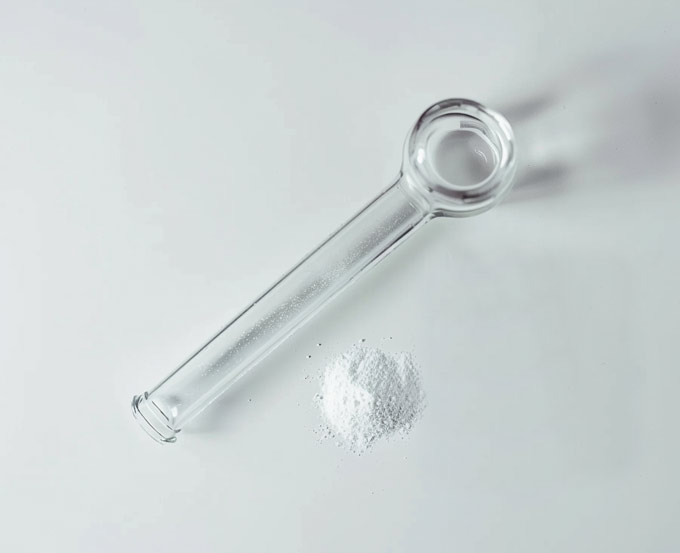
Dangerous Methods of Cocaine Use
Injecting Cocaine: Immediate, intense high increases overdose risk.
Boofing or Plugging Cocaine: Faster absorption than snorting, leading to higher doses and increased overdose risk.
Smoking Cocaine: Instant intense high leads to repeated doses, increasing the likelihood of a lethal overdose.
Which Drugs Increase The Risk of Overdose?
Certain drugs and meds can significantly elevate the risk of a cocaine overdose when taken in combination, even hours apart:
Benzodiazepines: Drugs like Xanax, Valium, and Klonopin can lead to dangerously low blood pressure, heart rate, and breathing when combined with cocaine, potentially causing coma and death.
Alcohol: Mixing cocaine and alcohol produces cocaethylene in the liver, which amplifies the toxic effects on the heart and can lead to sudden cardiac death.
Opioid Painkillers: Medications such as oxycodone, hydrocodone, and morphine can mask cocaine’s stimulant effects, increasing the risk of overdose as the opioids’ effects take hold.
Antidepressants: MAOIs can interact with cocaine to cause dangerously high blood pressure, stroke, and death.

How to Prevent Cocaine Overdose
- Use fentanyl test strips to check your cocaine.
- Utilize drug checking services if available.
- Start with a small amount and go slowly.
- Never use alone; have a friend with you.
- Use “never use alone” hotlines for safety checks.
- Carry naloxone to reverse opioid overdoses.
- Learn overdose signs and naloxone administration.
- Seek professional help if struggling with use.
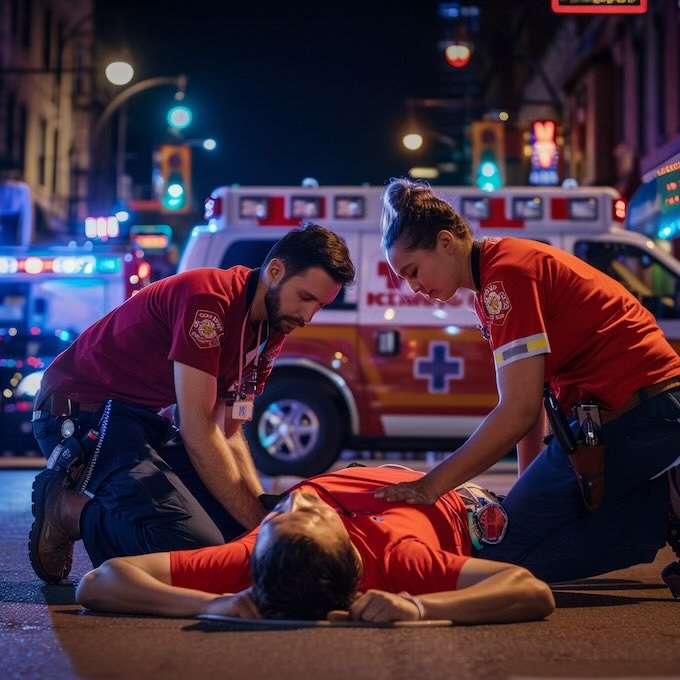
Calling for Help During a Cocaine Overdose
When Seconds Matter: Getting Help During a Cocaine Overdose
Experiencing or witnessing a cocaine overdose is terrifying. Knowing how to react swiftly can mean the difference between life and death.
A study examining responses to cocaine overdose reveals that many individuals do not call for help themselves, but rather rely on others to intervene.
Here’s what you need to know
Ability to Call for Help
-
- Severity of Symptoms: During a cocaine overdose, severe symptoms like confusion, agitation, seizures, or loss of consciousness can make it nearly impossible for individuals to call for help themselves
- Presence of Others: Friends or bystanders often become the lifeline. Many overdose situations involve witnesses who need to step in and call for emergency assistance.
- Awareness of Overdose: Some users may not realize they are overdosing or may deny their condition, delaying the call for help.
Fear of Arrest
One major obstacle in seeking timely help for a cocaine overdose is the fear of arrest. This fear can be particularly pronounced among individuals who use cocaine, as they may worry about legal repercussions if they call for emergency services.
The Good Samaritan Law
The Good Samaritan Law is intended to encourage individuals to seek emergency assistance during drug overdoses without fear of legal repercussions. This legislation provides legal protection for those who call for help, shielding them from charges related to minor drug possession and other related offenses.
Long-Term Effects After Overdose on Cocaine and Recovery
Surviving a cocaine overdose can have severe and lasting effects:
Cardiovascular Damage: Heart attacks, abnormal rhythms, and aortic ruptures.
Neurological Impairment: Strokes, seizures, and brain damage.
Psychiatric Disorders: Anxiety, psychosis, depression, and suicidal thoughts.
Organ Damage: Pulmonary edema, respiratory failure, kidney damage, and liver damage.
Increased Risk of Relapse: Ongoing addiction treatment and support are crucial.

Cocaine Overdose or Heart Attack?
Overdose is not the only risk of cocaine use. Cocaine can spike blood pressure and heart rate, disrupt the heart’s electrical signals, and lead to a heart attack. You might confuse a heart attack with an overdose due to similar symptoms.
In 2012, Australian researchers labeled cocaine as “the perfect heart-attack drug” during the American Heart Association’s Scientific Sessions. This term highlights cocaine’s potent stimulation of the central nervous system, which causes a euphoric high but significantly increases the risk of severe cardiovascular issues.
In 2009, cocaine was the leading cause of drug abuse-related emergency department visits, primarily due to cardiovascular problems such as chest pain and racing heart. Additionally, using cocaine while smoking cigarettes or weed can further heighten the risk of heart attacks and strokes, making these combinations particularly dangerous.
Need Help with Cocaine Use?
If you or someone you care about is struggling with cocaine use, it’s important to take action now. Remember, the risk of overdose exists regardless of your experience or the amount taken.
At Still Detox in Boca Raton, Florida, we are committed to offering exceptional support and detox services that are customized to meet your individual needs.
Call Now!
(561) 556-2677