
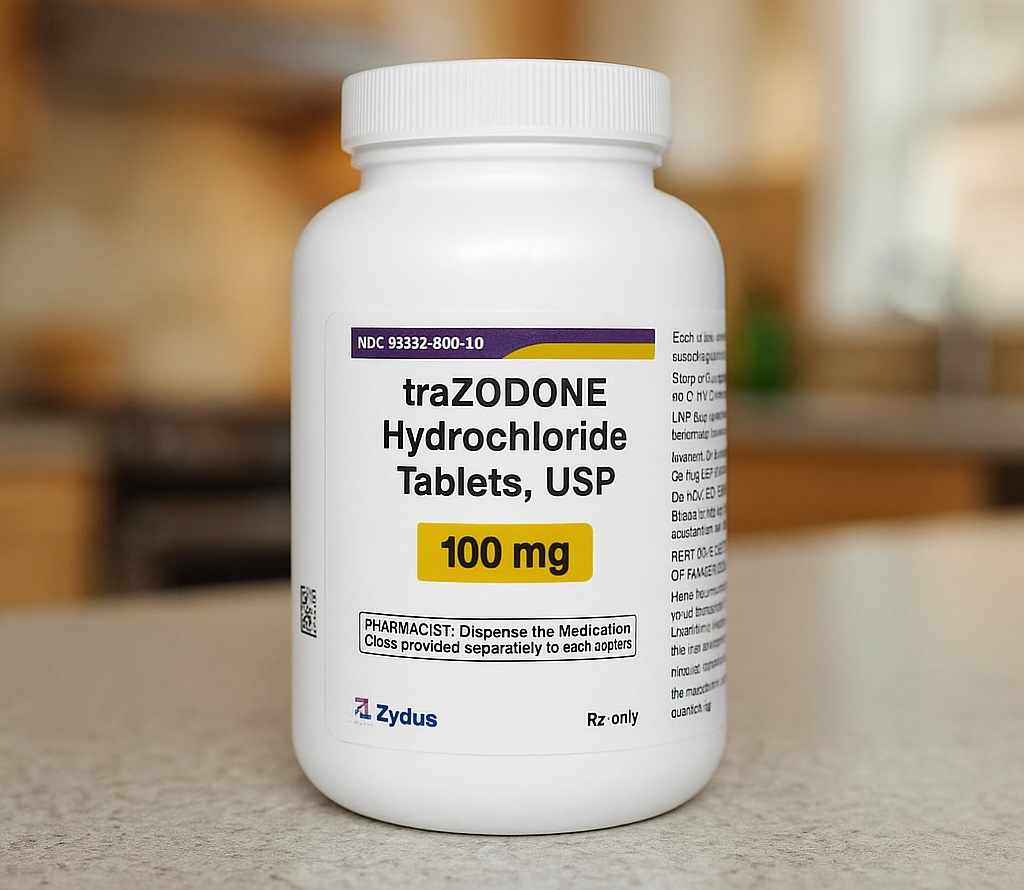
Trazodone is a commonly prescribed medication for depression, anxiety, and insomnia, valued for its sedative effects. However, like any medication, it carries risks when misused or taken in excessive amounts. At Still Detox Alcohol & Drug Rehab in Boca Raton, Florida, we prioritize educating our community about the safe use of medications and the dangers of overdose. We explain whether you can overdose on trazodone, the symptoms, risk factors, treatment options, and prevention strategies.
What Is Trazodone?
Trazodone is a serotonin antagonist and reuptake inhibitor (SARI) primarily approved by the U.S. Food and Drug Administration (FDA) for treating major depressive disorder (MDD). It works by modulating serotonin levels in the brain and blocking histamine and alpha-1-adrenergic receptors, which contributes to its sedative properties.[1]
Due to these effects, trazodone is frequently prescribed off-label for insomnia, anxiety, and other conditions.
According to the NIH, trazodone is considered relatively safe compared to older antidepressants like tricyclics, with minimal anticholinergic side effects.[2] However, its sedative nature and accessibility can lead to misuse, raising concerns about the potential for overdose.
Key Points About Trazodone
- Class: Serotonin antagonist and reuptake inhibitor (SARI).
- Common Uses: Depression, insomnia (off-label), anxiety, and occasionally substance abuse-related sleep issues.
- Typical Dosage: 25–300 mg daily, with higher doses (up to 600 mg) rarely used for depression.[3]
- Risk of Overdose: Possible when taken in amounts exceeding 600 mg or combined with other substances like alcohol or central nervous system (CNS) depressants.[4]
Can You Overdose on Trazodone?
Yes, it is possible to overdose on trazodone, though fatal overdoses are rare when the drug is taken alone. According to research published by the NIH, trazodone overdose can lead to severe complications, including life-threatening arrhythmias, seizures, and respiratory arrest.[5] The risk increases significantly when trazodone is combined with alcohol, benzodiazepines, or other CNS depressants, which amplify its sedative effects.
A 2019 case report documented a fatal trazodone overdose in a 40-year-old patient with a blood concentration of 25.4 micrograms/mL, far exceeding therapeutic levels.[6] The patient experienced torsades de pointes and complete atrioventricular block, highlighting the potential for cardiac toxicity in overdose scenarios. While such cases are uncommon, they underscore the importance of adhering to prescribed doses.
Risk Factors for Trazodone Overdose
Several factors increase the likelihood of a trazodone overdose:
- High Doses: Ingesting more than 600 mg, especially in non-tolerant individuals.
- Polysubstance Use: Combining trazodone with alcohol, opioids, or benzodiazepines, as noted by SAMHSA, significantly heightens overdose risk.[7]
- Mental Health Conditions: Individuals with depression or suicidal ideation may intentionally misuse trazodone.
- Lack of Medical Supervision: Taking trazodone without a prescription or ignoring dosage instructions.
Symptoms of Trazodone Overdose
Recognizing the symptoms of a trazodone overdose is critical for timely intervention. According to NIDA, overdose symptoms can range from mild to life-threatening, depending on the dose and co-ingested substances.[8]
Common symptoms include:
- CNS Depression: Drowsiness, confusion, or coma.
- Cardiovascular Effects: Irregular heart rhythms (arrhythmias), low blood pressure, or torsades de pointes.[6]
- Respiratory Issues: Slow or labored breathing, especially when combined with other depressants.
- Neurological Symptoms: Seizures, tremors, or serotonin syndrome (if combined with other serotonergic drugs).
- Gastrointestinal Distress: Nausea, vomiting, or abdominal pain.
Serotonin syndrome, a potentially fatal condition, may occur if trazodone is taken with other serotonin-modulating drugs like SSRIs or MAOIs. Symptoms include agitation, high fever, muscle rigidity, and rapid heart rate.[9]
Treatment for Trazodone Overdose
A trazodone overdose is a medical emergency requiring immediate attention. If you suspect an overdose, call 911 or contact the Poison Control Center at 1-800-222-1222. Treatment typically involves:
- Stabilization: Ensuring airway, breathing, and circulation are maintained.
- Activated Charcoal: Administered within 1–2 hours of ingestion to reduce absorption, as recommended by the American Association of Poison Control Centers.[10]
- Monitoring: Continuous cardiac and respiratory monitoring to manage arrhythmias or seizures.
- Supportive Care: IV fluids, anti-seizure medications, or sodium bicarbonate for cardiac toxicity.
- Psychiatric Evaluation: Post-stabilization assessment for intentional overdoses, often involving mental health support.[7]
At Still Detox, we emphasize the importance of addressing underlying mental health or substance use issues that may contribute to overdose. Our Boca Raton facility offers comprehensive addiction and mental health treatment to support long-term recovery.
Preventing Trazodone Overdose
Preventing trazodone overdose requires responsible use and awareness. Here are evidence-based strategies:
- Follow Prescriptions: Take trazodone exactly as prescribed, avoiding dose increases without medical guidance.
- Avoid Mixing Substances: Refrain from combining trazodone with alcohol, opioids, or other sedatives, as highlighted by SAMHSA.[7]
- Secure Medications: Store trazodone in a safe place to prevent misuse by others, especially in households with children or individuals with substance use disorders.
- Regular Check-Ins: Schedule follow-ups with your healthcare provider to monitor trazodone’s effects and adjust doses as needed.
- Education: Learn about trazodone’s risks and side effects. Resources from NIDA and NIH offer valuable insights for patients and families.[8]
Still Detox’s Commitment to Safety and Recovery
At Still Detox, we understand the complexities of medication misuse and its intersection with mental health and addiction. Our Boca Raton rehab center provides personalized treatment plans, including detox, counseling, and aftercare, to help individuals safely manage medications and address underlying issues. If you or a loved one is struggling with trazodone misuse or substance abuse, contact us today from (561) 556 26-77 for compassionate, evidence-based care.
References
- National Institutes of Health. Trazodone – StatPearls.
- National Institutes of Health. Trazodone for Insomnia: A Systematic Review.
- U.S. Food and Drug Administration. Trazodone Hydrochloride Information.
- Substance Abuse and Mental Health Services Administration. Key Substance Use and Mental Health Indicators.
- National Institutes of Health. Trazodone Overdose: A Case Report.
- National Institutes of Health. Fatal Trazodone Overdose with Torsades de Pointes.
- Substance Abuse and Mental Health Services Administration. Medication-Assisted Treatment.
- National Institute on Drug Abuse. Prescription Drug Misuse.
- National Institutes of Health. Serotonin Syndrome.
- American Association of Poison Control Centers. Activated Charcoal.