
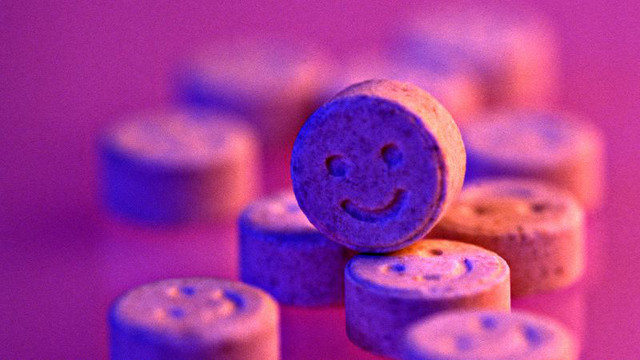
Candy flipping refers to using LSD and MDMA in the same session, either at the same time or staggered hours apart. The idea isn’t new; people have talked about the combination since the 1990s, and researchers have been curious about it for just as long. What keeps the term alive is the promise some people hear in it: a trip that feels warmer, more connected, and perhaps less edgy than LSD alone.
The science and lived experience are more complicated. Human lab studies show clear physiological load (higher heart rate, blood pressure, and body temperature) when the two are combined, and they don’t show a safety or “benefit” edge over LSD by itself.
What candy flipping is trying to achieve and what actually happens
LSD is a classic psychedelic whose core effects flow through the serotonin 5-HT2A receptor system; MDMA is an empathogen-stimulant that releases serotonin (and other transmitters), often raising body temperature and strain on the heart. On paper, the pairing promises the “meaningfulness” of LSD with the prosocial warmth of MDMA. In practice, a modern placebo-controlled study with healthy volunteers (LSD 100 µg + MDMA 100 mg) found that co-administration increased heart rate, blood pressure, and pupil size more than LSD alone, without delivering clear improvements in the overall subjective experience. In other words, more load on the body, no proven upside.
Outside the lab, the setting adds its own variables. MDMA’s tendency to raise core temperature makes hot rooms, crowded dance floors, and long sessions riskier. People describe feeling so “in the moment” that they miss early signs of overheating or dehydration, exactly the conditions that turn MDMA problems serious (hyperthermia, hyponatremia, arrhythmias). Adding LSD can make self-monitoring even harder because perception and interoception (how your body “feels” to you) are altered.
How people abuse it and why order matters less than you’d think
People use different “orders”: MDMA first, then LSD as the roll settles; or LSD first, then MDMA to soften sharp edges; or both together. The lab data suggest that, regardless of sequence, the combination asks more of the cardiovascular and thermoregulatory systems than either drug alone. Older animal and human work also reminds us that LSD’s pharmacology spans dozens of receptors, so interactions aren’t limited to “serotonin up/serotonin down.” The main takeaway isn’t a recipe; it’s that stacking two serotonergic drugs makes intensity less predictable.
Short-term risks people actually run into
- Overheating and dehydration. MDMA produces a dose-dependent rise in core body temperature; activity and warm environments amplify it. When LSD is on board, people may ignore early cues like dizziness or tight jaw and push longer.
- Serotonin toxicity. MDMA’s surge plus LSD’s serotonergic actions can, in rare cases, edge toward serotonin syndrome, confusion, agitation, fever, tremor, and unstable vitals; especially if other serotonergic meds are in the mix.
- Cardiovascular strain. The combination increases heart rate and blood pressure more than LSD alone in controlled settings. For people with underlying risk (known or not), that can matter.
- “Too much, too fast.” Dual-use extends duration and intensity. If anxiety spikes or the setting goes sideways, it’s harder to pivot out when two long-acting compounds are involved.
What we actually know from studies, not just stories
Researchers have looked at LSD, MDMA, and their combination in carefully monitored rooms with medical oversight.
Key findings:
1- Physiological arousal goes up with the combo;
2 – Subjective “positives” do not reliably improve compared with LSD alone;
3 – neither controlled trial nor survey work supports the idea that MDMA “fixes” an LSD trip in a generalizable way. Crowd-sourced forum mining shows the term “candy flipping” has been widely discussed online for years, but it also underscores how variable self-reported outcomes are, and how fast myths spread.
“It seems everywhere”, why the trend sticks around
Media cycles about psychedelics and empathogens, coverage of clinical MDMA for PTSD, headlines about LSD research, create a sense of safety by association, even though clinical trials don’t study party-style combinations and keep tight medical boundaries. Add festival culture and social media, and the term takes on a life of its own. The result is a mix of legitimate scientific progress (e.g., MDMA-assisted therapy in trials; new LSD studies) and informal practices that aren’t the same thing.
FAQ
What exactly does “candy flipping” mean?
Using LSD and MDMA during the same session, either together or spaced out by a few hours. People often aim for a warmer, more social psychedelic experience; the body, however, works harder under the combination.
Is there any proof that MDMA makes an LSD trip “safer” or “better”?
In a modern, placebo-controlled human study, adding MDMA (100 mg) to LSD (100 µg) did not improve the overall acute experience or safety profile compared with LSD alone, and it raised cardiovascular and temperature measures.
Why do overheating and dehydration keep coming up?
MDMA elevates core temperature and can impair heat regulation, especially with exertion in warm spaces. People may under-notice warning signs when also on LSD. That’s why MDMA problems at clubs and festivals so often involve heat and fluids.
Are there long-term effects from pairing them?
There’s no single outcome that applies to everyone. MDMA has well-described risks (including mood changes in the days after, and, at high or frequent doses, potential neurotoxicity signals in animal work). LSD’s primary actions are at 5-HT2A receptors; persistent anxiety or flashback-like phenomena are uncommon but reported. Combining them can magnify short-term strain and complicate the comedown, which is what many people feel first.
How common is candy flipping?
It’s hard to measure precisely. Forum analyses and festival reporting suggest it’s a familiar idea in certain scenes, but national surveys don’t track the combination directly. Where researchers have looked systematically, they find talk of it is widespread online even though rigorous epidemiology is sparse. Polysubstance abuse is not a new trend. But mixing LSD with other substances is something we see more often with music festivals and raves.
References
- Straumann et al. (2023): Acute effects of MDMA + LSD in a randomized trial – hemodynamics & temperature.
- Liechti (2014): MDMA raises core body temperature in humans.
- NIDA: MDMA facts (hyperthermia, hyponatremia, cardiovascular strain).
- López-Giménez & González-Maeso (2018): LSD and 5-HT2A receptor signaling.
- Baumann (2009): MDMA toxicity hyperthermia & serotonin syndrome.
- Chary et al. (2018): “Candyflipping and other combinations” from online forums.
- Extended data for Straumann et al. (2023): cardiovascular and temperature effects.
- Medscape: MDMA toxicity overview.
- Holze et al. (2019/2020): Distinct acute effects of LSD vs MDMA vs d-amphetamine.
- Zeifman et al. (2023): Co-use of MDMA with psilocybin/LSD context from controlled work.
If you’re reading about candy flipping because you’re weighing choices or trying to make sense of a tough night, it’s understandable to want clear, nonjudgmental information. If talking through safer ways to navigate substance use, or stepping back from it, would be useful, our team at Still Detox in Boca Raton is here to listen at your pace.