
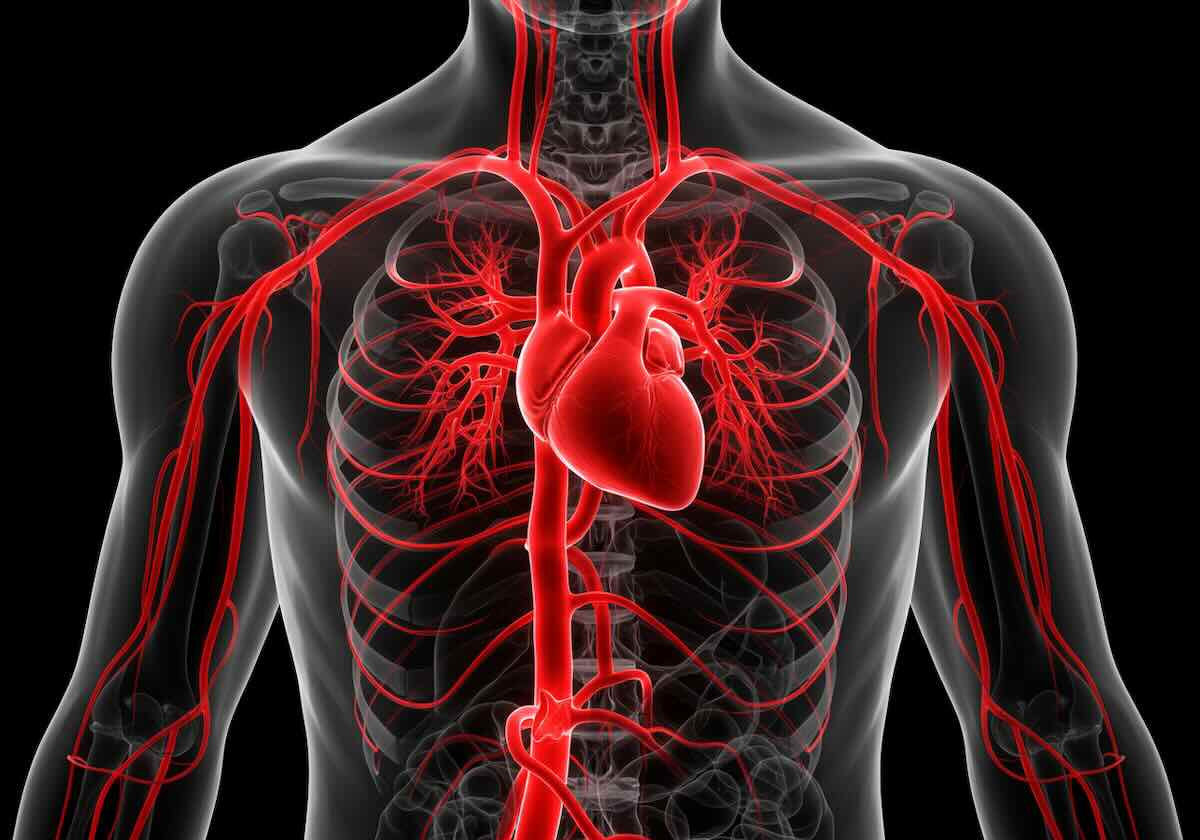
Drug addiction, or substance use disorder, takes a severe toll on the circulatory system, which includes the heart, blood vessels, and blood. In the U.S., where over 70,000 drug overdose deaths occur annually, addiction’s cardiovascular consequences contribute to heart disease, strokes, and other life-threatening conditions. Understanding these impacts is vital for early intervention and recovery. That’s why we offer comprehensive programs including dual diagnosis treatment and residential care for people facing both physical and psychological impacts of substance use.
At Still Detox Alcohol & Drug Rehab, we educate communities about addiction’s physical dangers and provide evidence-based treatment solutions. This article explores how drug addiction affects the circulatory system, its risks, and potential for recovery.[1]
How Does Drug Addiction Damage the Heart?
Drug addiction stresses the heart by disrupting its rhythm, structure, and function. Chronic use of substances like cocaine, methamphetamine, and Adderall increases heart rate and blood pressure, overworking the heart.
Cocaine triggers adrenaline release, causing arrhythmias (irregular heartbeats) and potential heart muscle damage, with a 2025 study noting elevated troponin levels, a marker of heart stress, in cocaine users during abstinence.
Opioids, such as heroin, can dangerously slow heart rate, reducing oxygen delivery to tissues. Over time, these effects lead to cardiomyopathy (weakened heart muscle) and heart failure. Read more about how cocaine affects your body long term in our article.
For those dependent on opioids, our opioid treatment program helps manage withdrawal and reduce cardiovascular strain under clinical supervision.
The CDC reports that 17% of overdose-related hospitalizations involve cardiovascular complications, highlighting the heart’s vulnerability.[2][3]
What Are the Effects of Drug Addiction on Blood Vessels?
Drug addiction compromises blood vessels, impairing their ability to transport oxygen and nutrients effectively.
Stimulants like cocaine and methamphetamine constrict blood vessels, elevating blood pressure (hypertension) and reducing blood flow, which weakens vessel walls over time.
Injection drug use, common with opioids, increases risks of infections like endocarditis, where bacteria inflame heart valves and vessels. A 2020 study published at JACC journals by Dr. Mori J. Krantz, Dr. Robert B. Palmer, and Dr. Mark C.P. Haigney found that chronic opioid use is linked to vascular inflammation, increasing aneurysm risk.
Alcohol abuse contributes to chronic hypertension, further straining arteries and veins, which can lead to long-term circulatory dysfunction and heightened stroke risk, addressed by Dr. Ofer Havakuk[4][5]
We address these complications through customized recovery plans that may include CBT and DBT therapy, which target both behavior and long-term health outcomes.
Can Drug Addiction Cause Heart Attacks or Strokes?
Drug addiction significantly elevates the risk of heart attacks and strokes. Cocaine and methamphetamine can induce heart attacks by causing coronary artery spasms, which block blood flow to the heart.
The CDC notes that drug overdoses are a leading cause of cardiac arrest, with 7,500 of 49,712 cardiovascular-related ER visits in a study tied to substance use disorders. For example, misuse of benzodiazepines like Xanax is linked to complications covered in our Xanax overdose guide.
Opioids contribute to strokes by slowing blood flow and increasing clotting risks, particularly in chronic users.
Alcohol-induced atrial fibrillation and hypertension further heighten stroke risk. These acute events underscore the urgent need for addiction treatment to prevent catastrophic cardiovascular outcomes.[6][7]
How Do Specific Drugs Impact the Circulatory System?
Various drugs affect the circulatory system differently, with impacts varying by substance, dose, and duration of use. The table below summarizes key effects:[8][9]
| Drug | Circulatory Effect | Risk |
|---|---|---|
| Cocaine | Increases heart rate, constricts vessels | Heart attack, arrhythmias |
| Methamphetamine | Raises blood pressure, damages vessels | Stroke, heart failure |
| Opioids | Slows heart rate, reduces oxygen | Endocarditis, stroke |
| Alcohol | Causes chronic hypertension | Heart failure, stroke |
Can Circulatory Damage from Drug Addiction Be Reversed?
The reversibility of circulatory damage from drug addiction varies by substance and extent of abuse. Ceasing drug use is essential, but abrupt cessation of opioids or alcohol can be dangerous, requiring medical supervision. Research indicates that quitting methamphetamine can partially restore vascular function, while cocaine’s heart muscle damage may be permanent in severe cases.
Alcohol-related hypertension often improves within months of abstinence, per the American Heart Association. Comprehensive treatment, including detox, counseling, and medications like buprenorphine, supports recovery and cardiovascular health.
At Still Detox, we provide medical detox, cognitive behavioral therapy, and holistic care to address addiction’s physical impact.
Contact Still Detox at (561) 556-2677 for support.[10]
References
- National Institute on Drug Abuse. Addiction and Health, 2020.
- Pavon, F.J. Troponin Changes in Cocaine and Alcohol Use Disorders, 2023.
- NIDA. Long-Term Effects of Cocaine Use, 2020.
- PMC. Cardiovascular Complications of Opioid Use, 2020.
- PMC. Cardiovascular Effects of Cocaine, 2017.
- CDC. Drug Overdose Deaths, 2021.
- NIDA. Long-Term Effects of Methamphetamine Misuse, 2020.
- American Heart Association. Alcohol and Heart Health, 2021.
- PMC. Cardiovascular Effects of Cocaine, 2017.
- SAMHSA. 2023 National Survey on Drug Use and Health.