
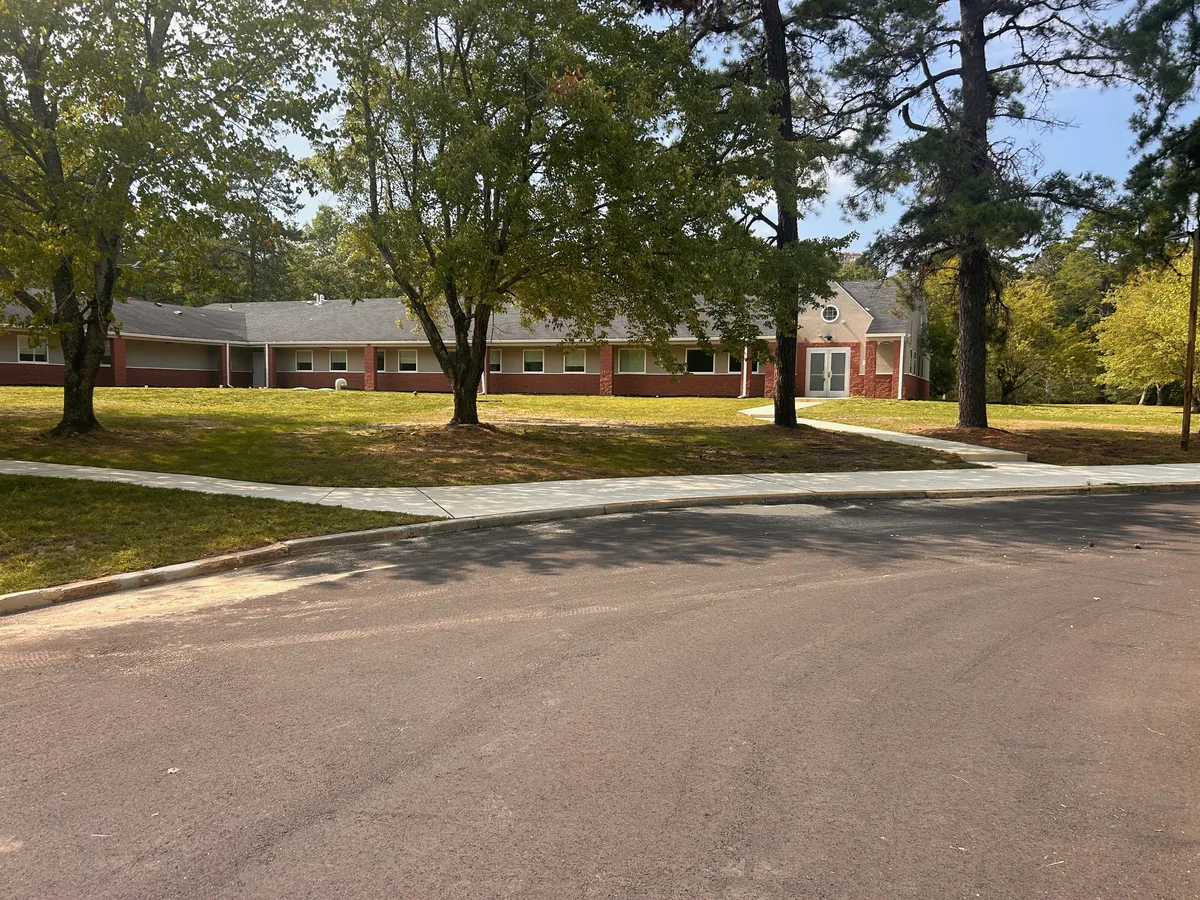
Cocaine Rehab in Atlantic County, New Jersey
Cocaine and crack cocaine do not require a medical detox taper, so residents at Still Detox New Jersey enter residential programming directly on the day of admission. Our residential program of up to 30 days combines individual therapy, group work and TMS brain mapping on a private 33-acre campus.
 Joint Commission Accredited
 NJ Dept. of Health Licensed
 SAMHSA Certified
 TRICARE In-Network
Do you need medical detox for cocaine?
No. Cocaine does not produce the dangerous physical withdrawal that alcohol, benzodiazepines and opioids cause, so medical detox medication is not required.
Cocaine withdrawal is psychological rather than physiological. The crash involves intense fatigue, depression, vivid dreams and powerful cravings, but it does not carry seizure or cardiac-arrest risk the way alcohol or benzo withdrawal does. Because there is no medical taper to manage, residents enter the therapeutic program immediately.
Both powder cocaine and crack cocaine are treated in the same residential track. The clinical team addresses route of administration, frequency and co-occurring mental health conditions during the individualized treatment plan that the Medical Director finalizes within 24 hours of admission.
Why does cocaine use require residential treatment?
Cocaine rewires the brain's dopamine system rapidly, making cravings overwhelming without a structured recovery environment.
The short half-life of cocaine drives binge patterns that escalate quickly. Residential treatment removes access to the substance and provides 24/7 clinical support during the crash period, when relapse risk is highest. Psychiatric evaluation identifies co-occurring depression and anxiety that intensify during early abstinence.
Why choose Still Detox New Jersey for cocaine rehab?
Direct admission, psychiatric depth and a controlled environment make Still Detox the right fit for cocaine recovery.
Same-Day Admission
No detox phase means residents begin therapy on the day they arrive.
TMS & Brain Mapping
TMS and brain mapping run on site, with TMS positioned for trauma, veterans and service members.
3 Separable Group Rooms
Gender-separated or acuity-based groups ensure every resident receives targeted programming.
33-Acre Private Campus
A new-build facility in Mays Landing provides distance from triggering environments.
Full-Time Medical Director
An on-site physician evaluates every resident within 24 hours and manages co-occurring medical conditions.
What does cocaine rehab look like from admission to completion?
Residents follow a five-phase program that begins with clinical intake and ends with discharge planning.
Intake & Evaluation
The Medical Director completes a psychiatric and medical assessment within 24 hours. A 72-hour communication blackout begins.
Crash-Phase Support
Nursing staff monitor vitals, manage sleep disruption and provide nutritional support during the cocaine crash period.
Intensive Therapy
Individual sessions, group therapy and cognitive-behavioral interventions address cravings, triggers and co-occurring disorders.
TMS & Brain Mapping
TMS is available on site and is positioned for trauma, veterans and service members.
Discharge Planning
The clinical team builds a step-down plan connecting residents to outpatient resources and community support before day 30.
What are the signs someone needs cocaine rehab?
Binge episodes, financial deterioration and an inability to stop despite consequences indicate a need for residential treatment.
Other signs include prolonged sleep after binges, nasal damage or respiratory issues from smoking, paranoia, weight loss, social isolation and repeated failed attempts to stop without professional help.
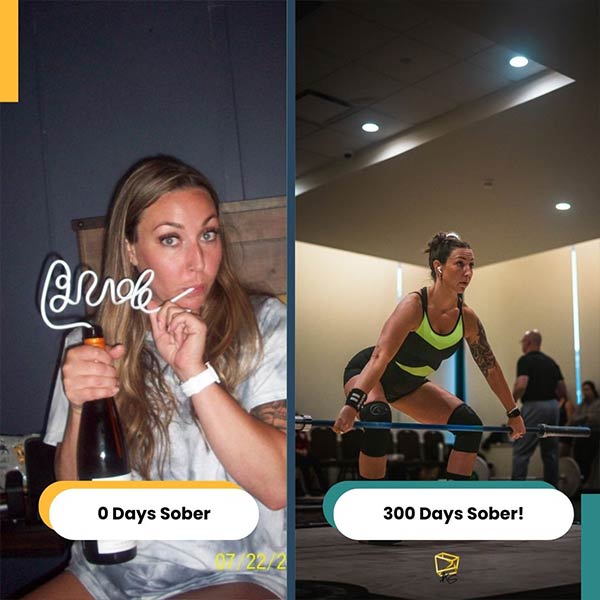
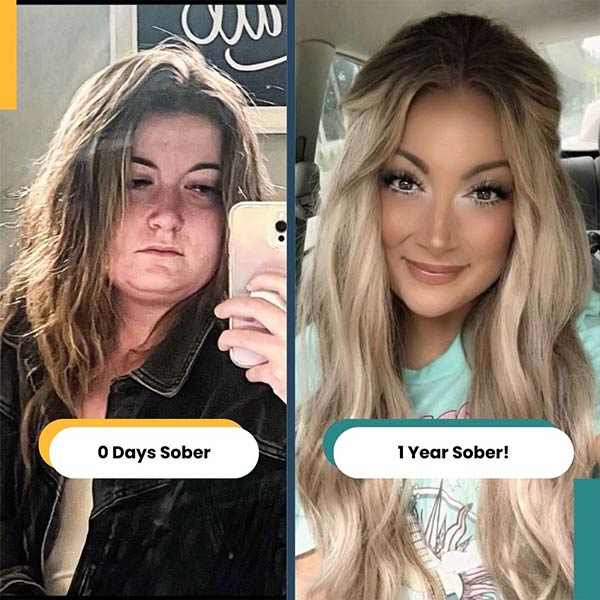
Living Proof: Alumni in Recovery
Real transformations from Still Detox alumni who completed treatment.



What happens without treatment for cocaine dependence?
Untreated cocaine use escalates into cardiovascular emergencies, psychosis and fatal overdose.
Cardiac Events
Cocaine constricts coronary arteries. Heart attack and stroke occur in people of all ages who use cocaine regularly.
Stimulant Psychosis
Prolonged binges produce paranoia, hallucinations and violent behavior that endanger the person and those around them.
Fatal Overdose
Street cocaine is frequently adulterated with fentanyl. A single contaminated dose causes respiratory arrest.
How do you pay for cocaine rehab at Still Detox New Jersey?
TRICARE is accepted in-network. Commercial insurance is accepted out-of-network.
Benefits verification happens before admission. TRICARE beneficiaries receive in-network rates. Commercial plans, union plans and DocPay financing are also accepted. Call (609) 740-2100 for a same-day verification.
- ✓Free verificationAdmissions reads your benefits and explains them before you commit.
- ✓TRICARE in-networkContracted through the U.S. Department of Defense.
- ✓Payment plansMonthly drafts arranged through DocPay.
- ✓Travel supportSliding-scale assistance for qualifying patients.
Still Detox does not claim network participation with commercial carriers. Plans are verified individually for out-of-network benefits before admission.
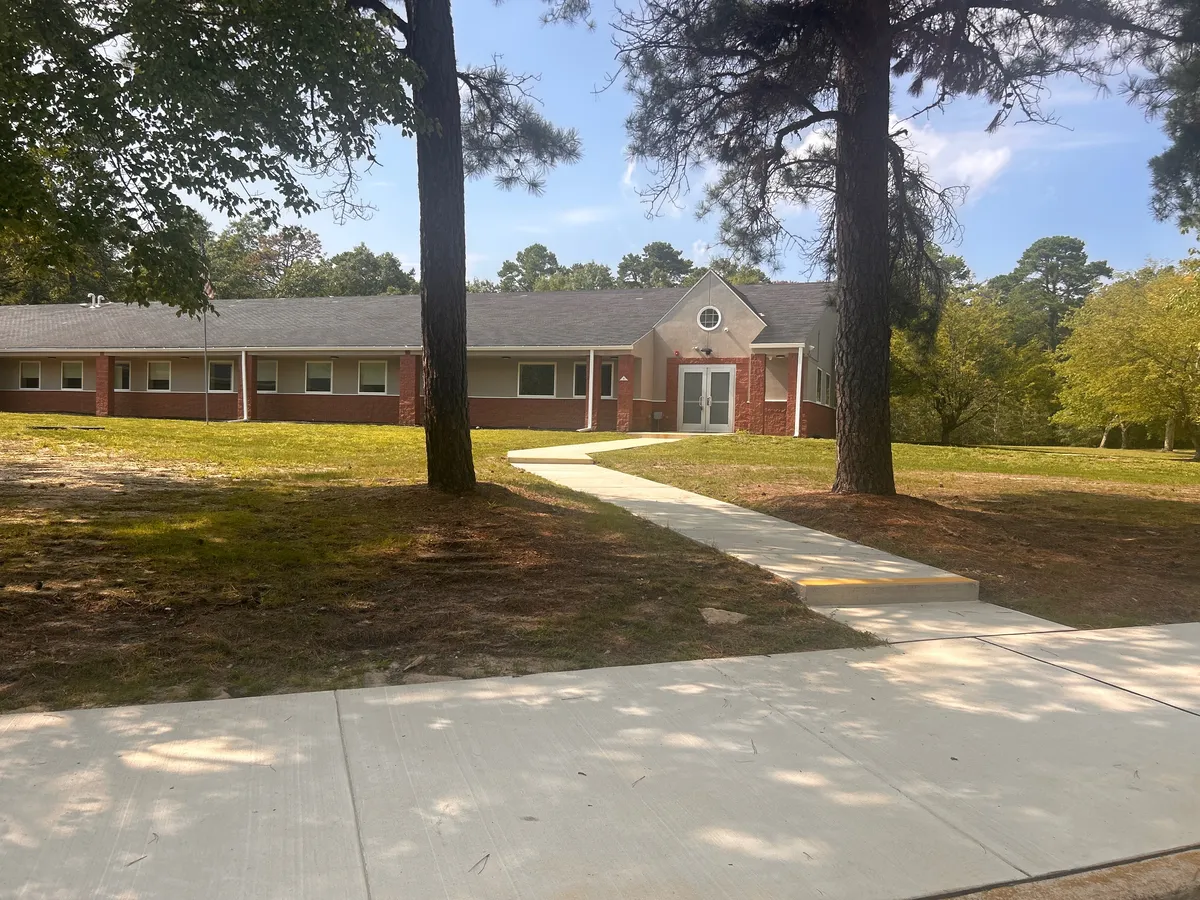
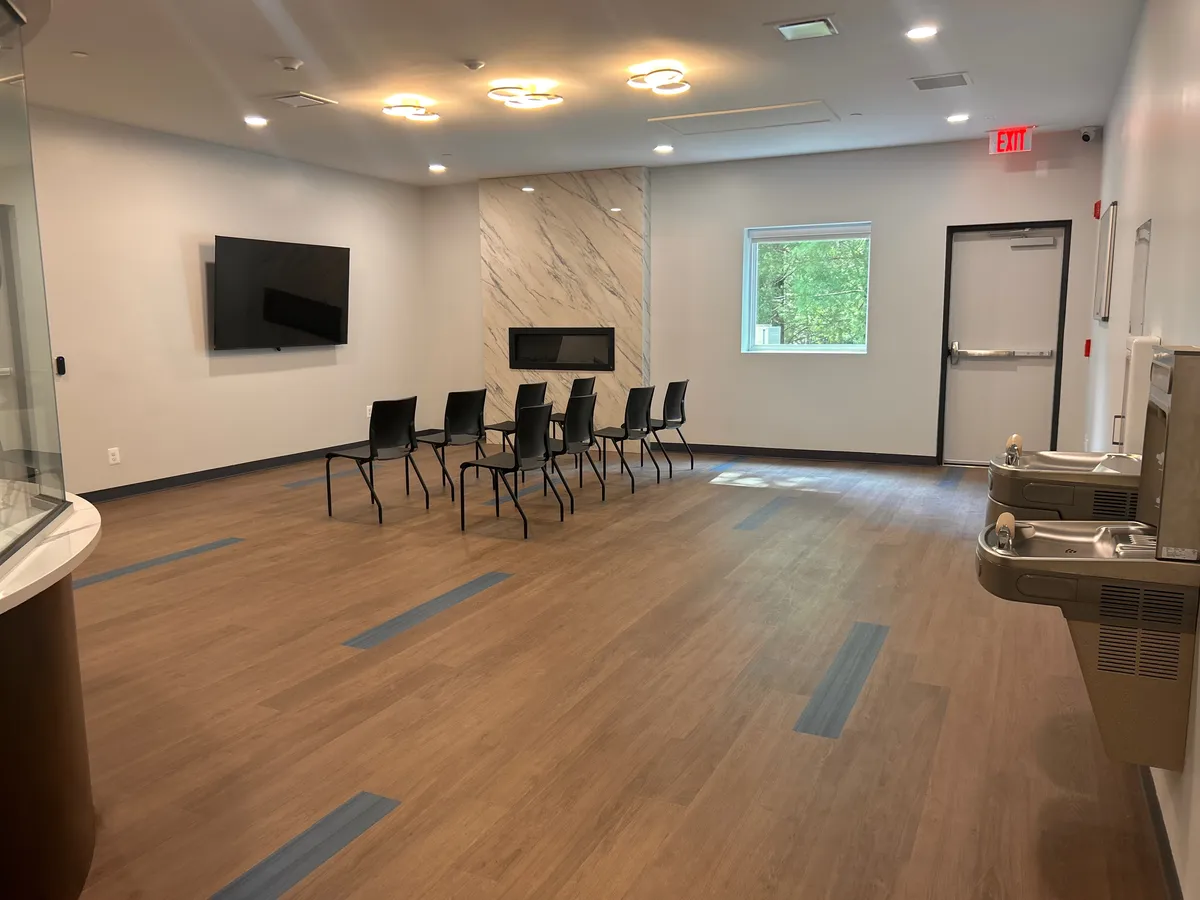
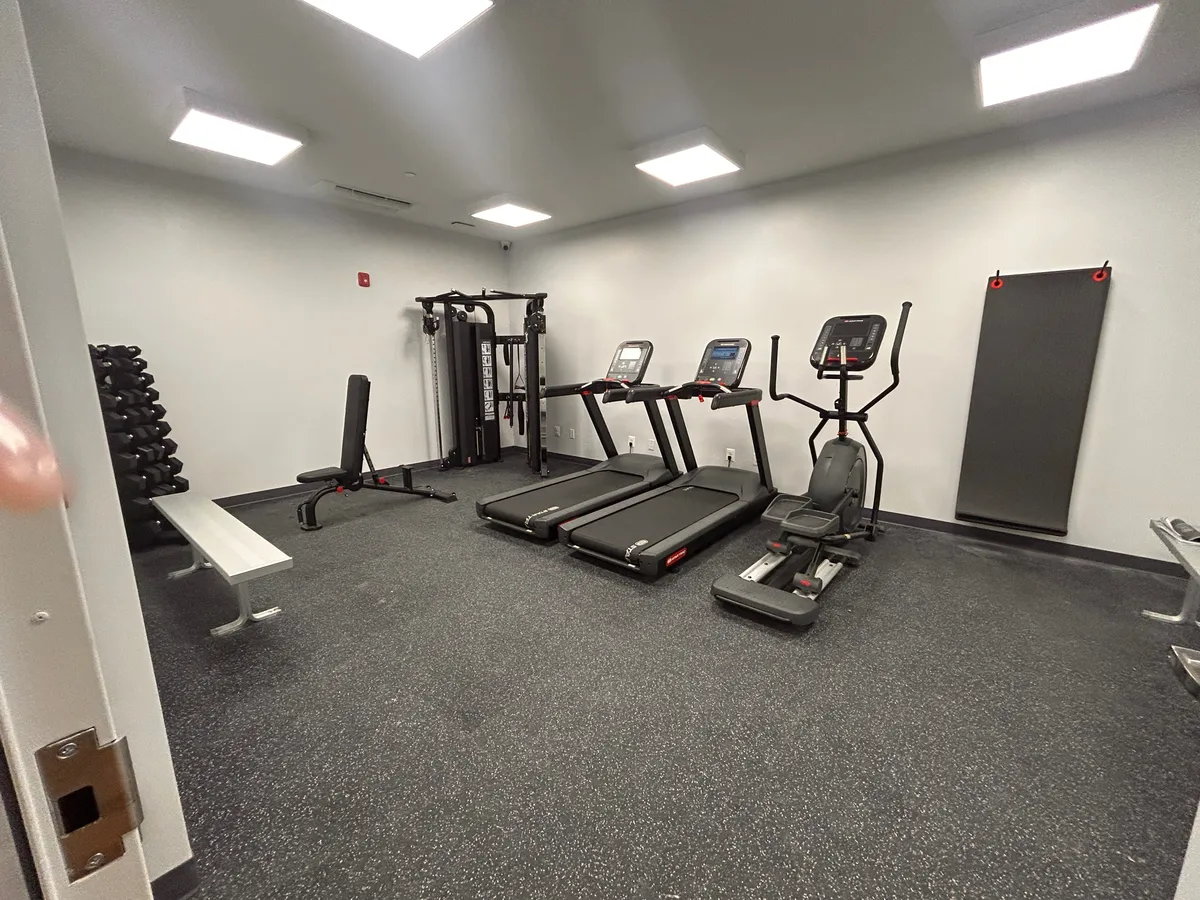
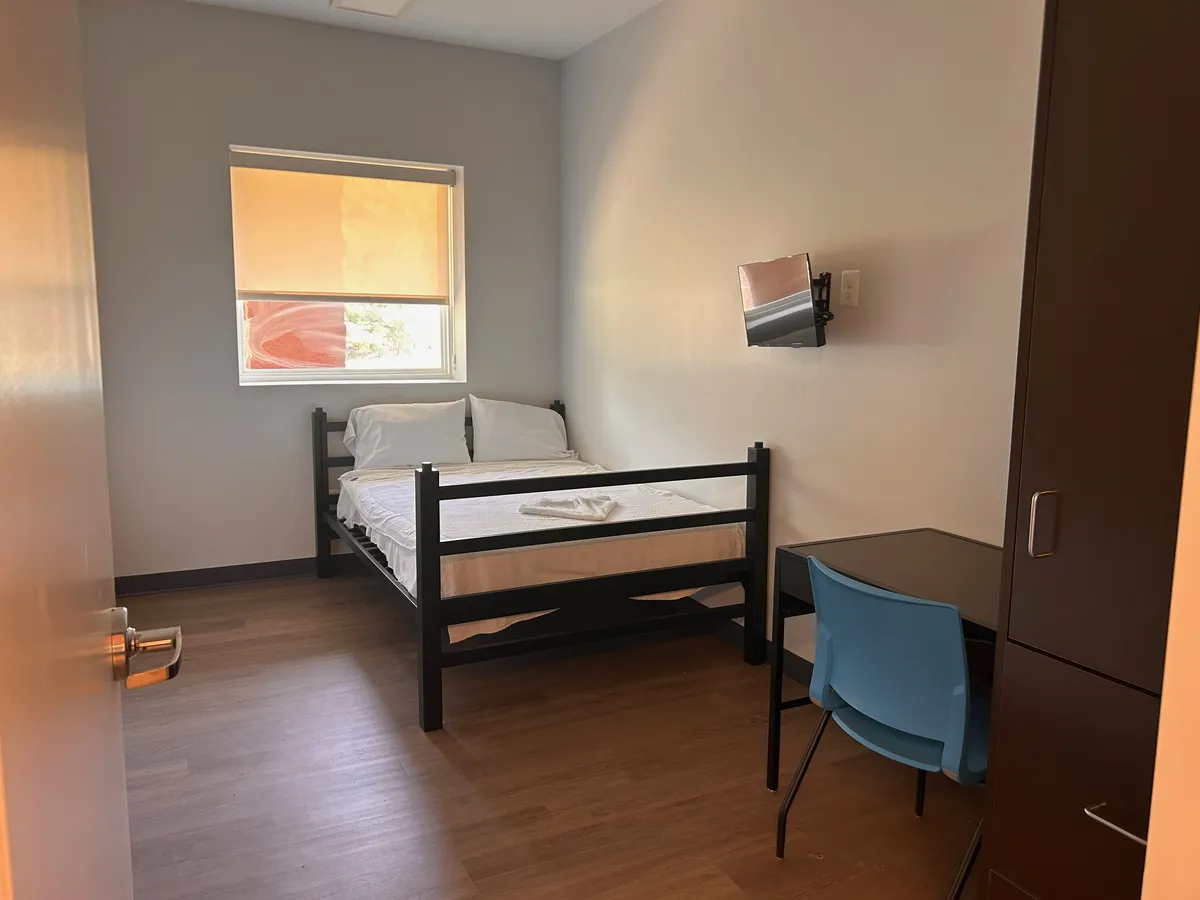
The Mays Landing Facility
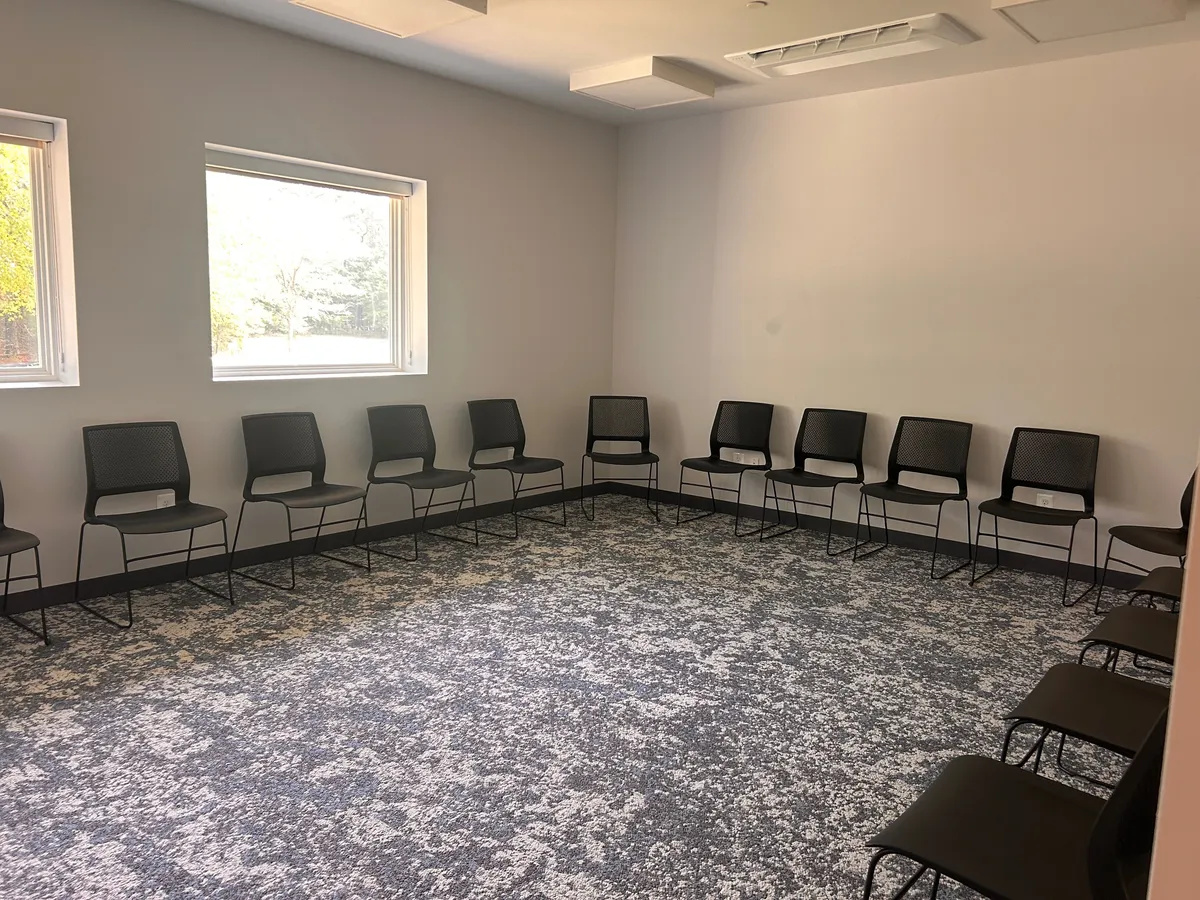
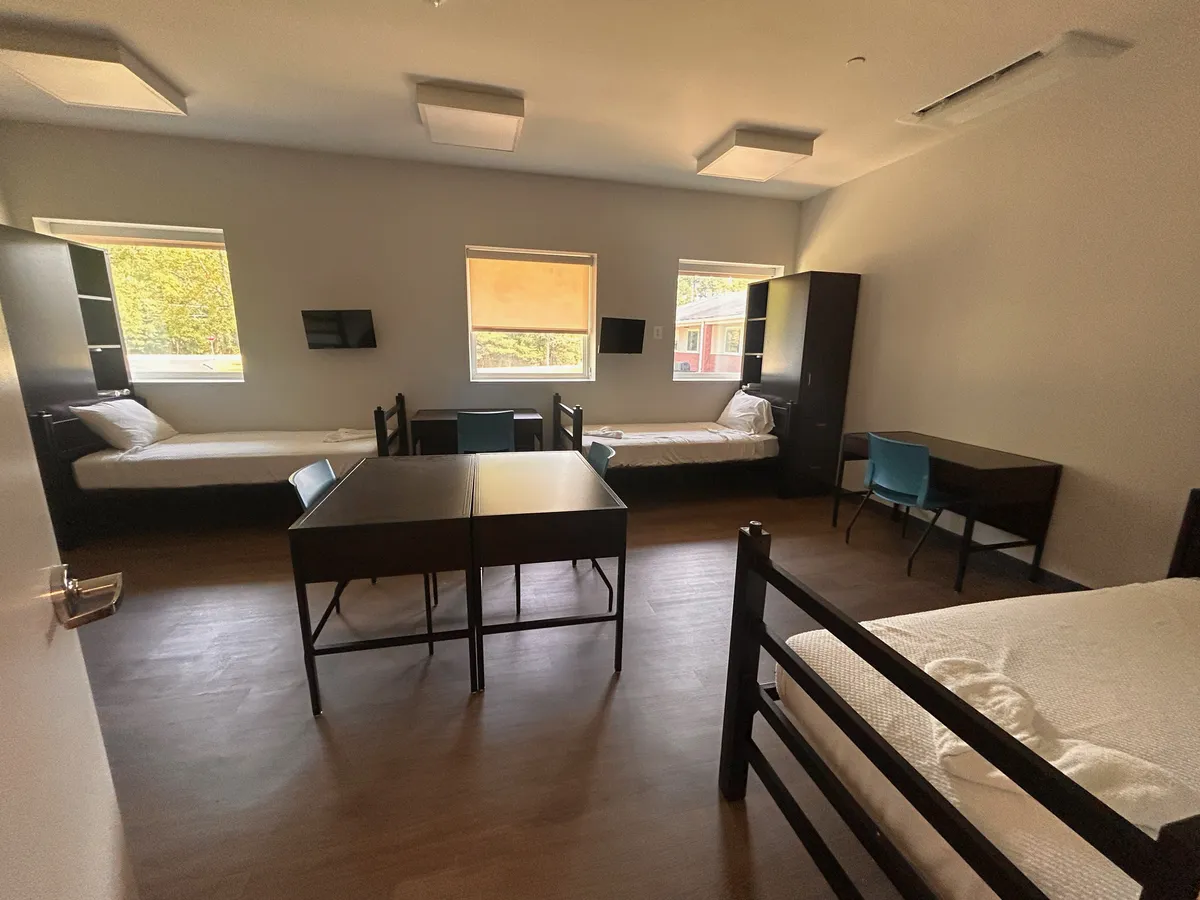
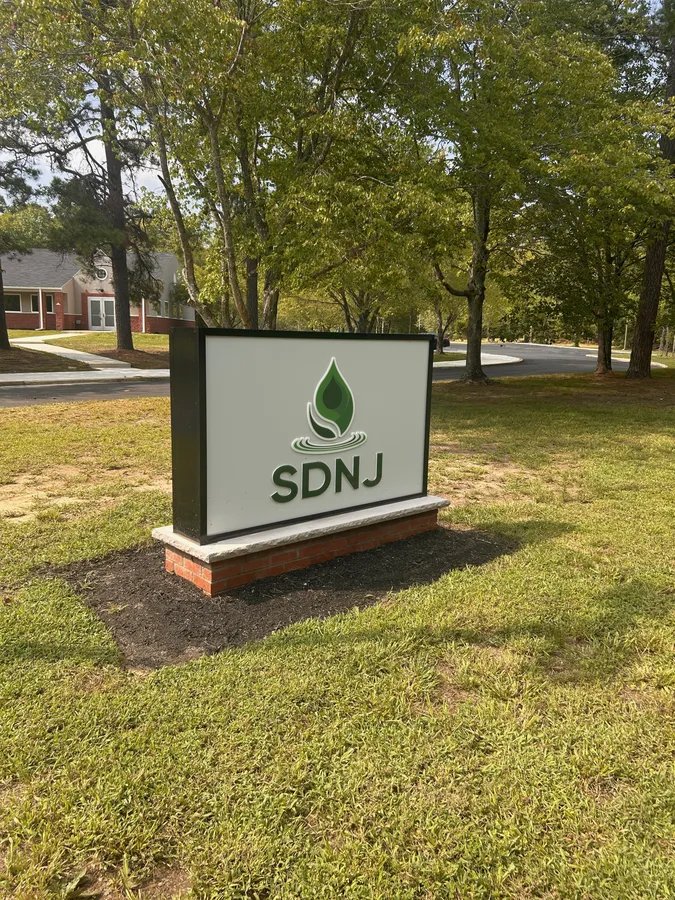
Still Detox New Jersey is a new build on 33 owned acres with 44 beds, 6 private bedrooms, marble bathrooms, a gym inside the detox unit and an outdoor adventure course.
Cocaine Rehab FAQ
Does cocaine require medical detox?
No. Cocaine withdrawal is psychological, not physiological. Residents enter residential programming directly.
How long is cocaine rehab at Still Detox NJ?
Up to 30 days of residential treatment, beginning the day of admission with no detox delay.
Does Still Detox treat crack cocaine?
Yes. Powder cocaine and crack cocaine are treated in the same residential program with individualized planning.
Is TRICARE accepted for cocaine treatment?
TRICARE is in-network. Commercial insurance, union plans and DocPay are also accepted.
Is TMS available during cocaine treatment?
Yes. TMS and brain mapping run on site at the Mays Landing facility, with TMS positioned for trauma, veterans and service members.
Is there a communication blackout at admission?
Yes, 72 hours. The blackout allows residents to stabilize and engage fully with clinical programming from day one.
How do I reach the New Jersey facility from Atlantic City?
Drive 26 minutes west to 170 Route 50, Mays Landing. The campus is accessible from the Atlantic City Expressway.
Start Cocaine Recovery Today
Call (609) 740-2100 to verify insurance and begin same-day admission at Still Detox New Jersey.
Medically reviewed by
Dr. Joseph Ordille, DO
Medical Director, Still Detox New Jersey
Dr. Joseph Ordille, DO, evaluates every client in person within 24 hours, sets taper schedules and approves high-acuity admissions. Meet the New Jersey clinical team.