
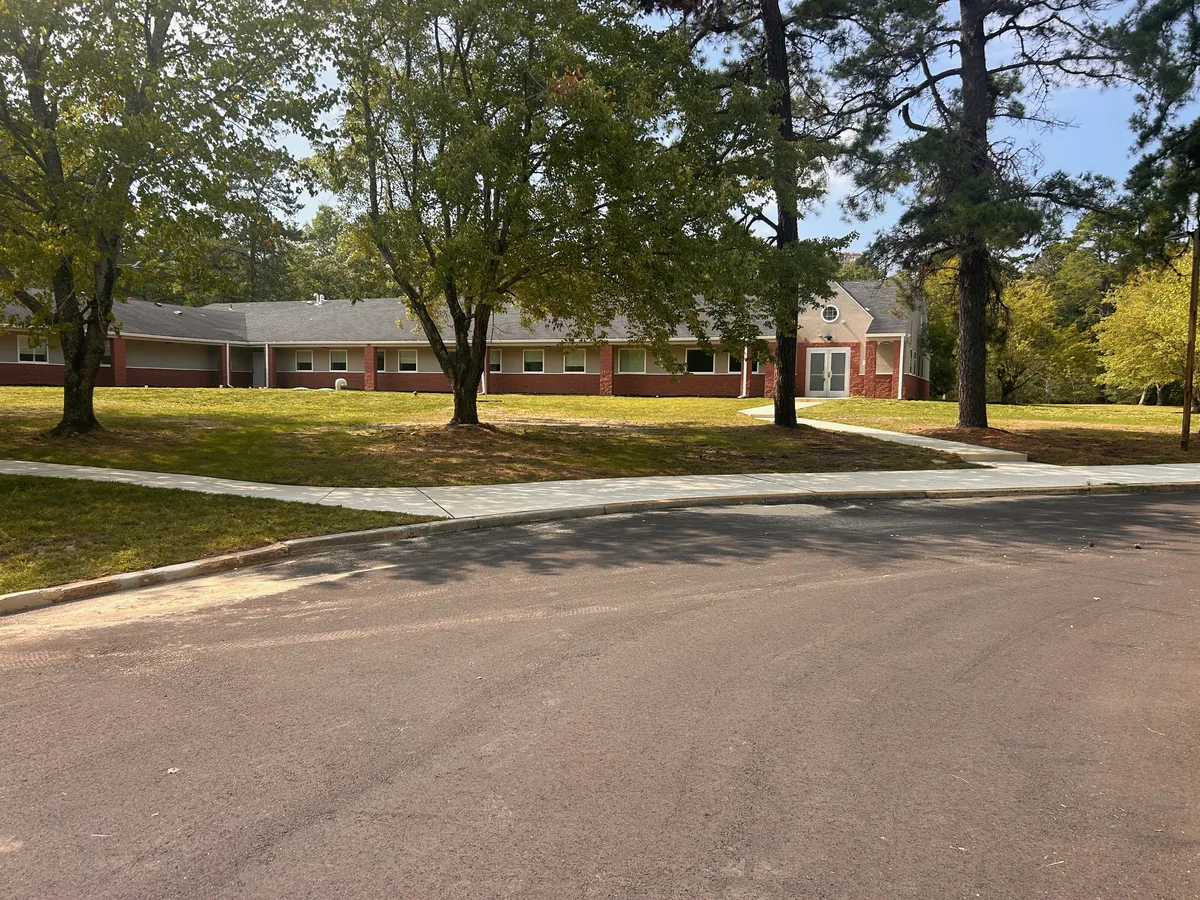
Fentanyl Detox in Atlantic County, New Jersey
Still Detox New Jersey provides medically supervised fentanyl detox with comfort medications, 24/7 nursing and medication-assisted treatment on a private 33-acre campus. The full-time Medical Director evaluates every admission within 24 hours and prescribes an individualized taper based on age and medical risk.
 Joint Commission Accredited
 NJ Dept. of Health Licensed
 SAMHSA Certified
 TRICARE In-Network
How long does fentanyl withdrawal last?
Fentanyl withdrawal typically lasts 7 to 10 days, with symptoms beginning 8 to 24 hours after the last dose and peaking around days 1 through 3.
Fentanyl is a synthetic opioid dramatically more potent than heroin. Its withdrawal produces severe muscle pain, vomiting, diarrhea, insomnia and intense cravings. The Philadelphia-Camden corridor supplies xylazine-laced fentanyl that complicates withdrawal with additional skin wounds and sedation.
At Still Detox NJ, the Medical Director prescribes buprenorphine/naloxone or naltrexone as part of medication-assisted treatment. Comfort medications manage individual symptoms while nursing staff monitor vitals every four hours. Detox extends to 14 days for medically complex cases.
Why is inpatient fentanyl detox necessary?
Fentanyl's potency makes unsupervised withdrawal medically dangerous and relapse during withdrawal frequently fatal due to reduced tolerance.
Returning to a previous dose after even a few days of abstinence causes respiratory arrest because tolerance drops faster than cravings fade. Inpatient detox provides medical monitoring, MAT induction and immediate access to emergency care.
Why choose Still Detox New Jersey for fentanyl detox?
High-acuity medical infrastructure and seamless residential step-down set Still Detox apart.
Full-Time Medical Director
An on-site physician evaluates every resident within 24 hours and manages MAT protocols daily.
Medication-Assisted Treatment
Buprenorphine/naloxone and naltrexone are available on site to stabilize opioid receptors during and after detox.
High Medical Acuity
PICC lines, cancer, cirrhosis, seizures, HIV and C. diff are accepted conditions at this facility.
TMS & Brain Mapping
TMS and brain mapping run on site, with TMS positioned for trauma, veterans and service members.
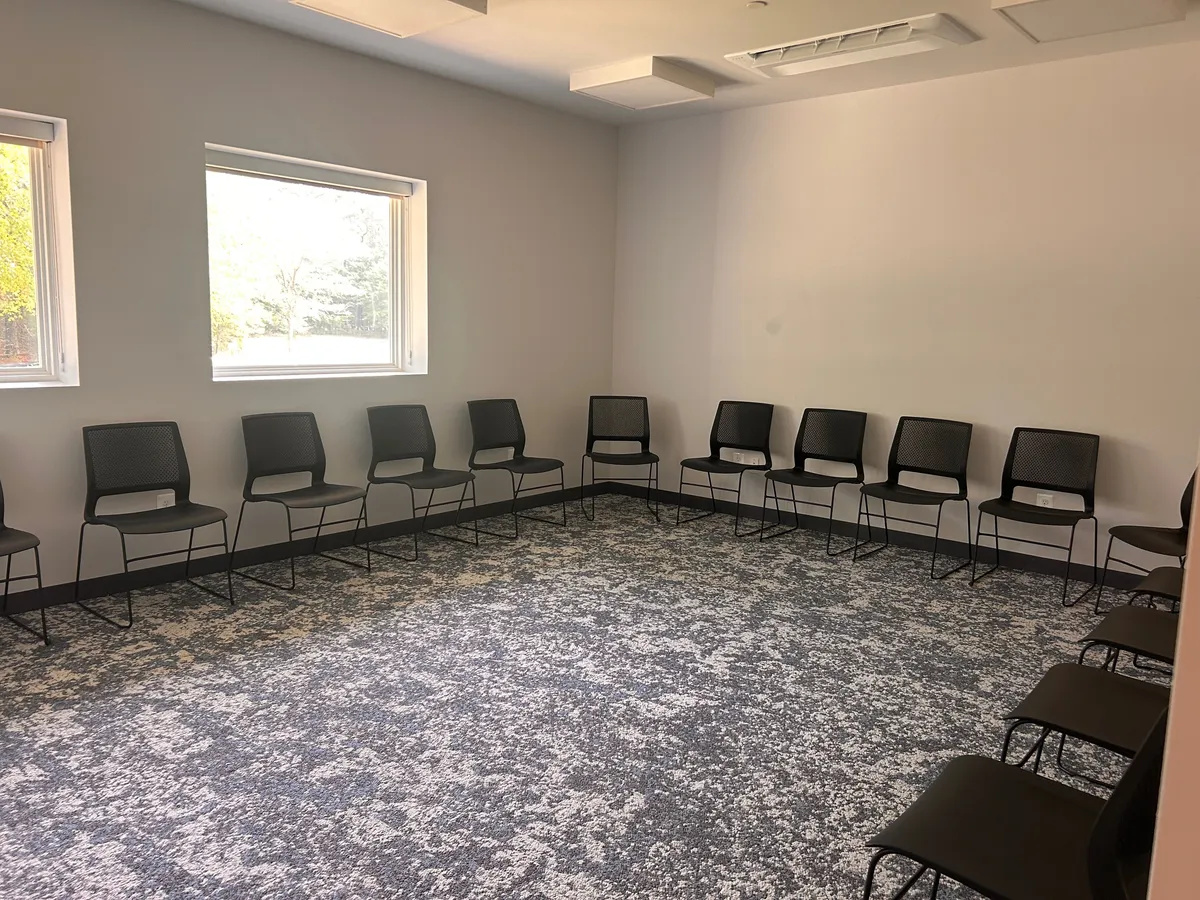
3 Separable Group Rooms
Groups are divided by gender or acuity so programming matches each resident's clinical needs.
What does the fentanyl withdrawal timeline look like?
Withdrawal onset begins 8 to 24 hours after the last dose and follows a predictable progression.
Onset
Anxiety, muscle aches, sweating, runny nose and yawning signal the start of withdrawal.
Peak Symptoms
Severe cramping, vomiting, diarrhea, insomnia and intense cravings reach maximum intensity.
Subsiding Phase
Physical symptoms gradually decrease. MAT medications stabilize opioid receptors and reduce cravings.
Residential Transition
Residents step down into structured therapeutic programming for up to 30 days.
What does fentanyl treatment look like from admission to step-down?
A five-phase pathway moves residents from medical stabilization into full residential programming.
Intake & Evaluation
The Medical Director completes a full assessment within 24 hours. A 72-hour communication blackout begins.
MAT Induction
Buprenorphine/naloxone or naltrexone is initiated under medical supervision to stabilize opioid receptors.
Comfort Care
Comfort medications manage pain, nausea, insomnia and anxiety while nursing staff monitor vitals every 4 hours.
Clinical Introduction
Individual and group sessions begin as medical stability allows, preparing residents for full residential participation.
Step-Down to Residential
Around day 8, residents transition into the therapeutic schedule for up to 30 days of programming.
What are the signs someone needs fentanyl detox?
Pinpoint pupils, respiratory depression and withdrawal symptoms between doses indicate fentanyl dependence.
Additional signs include using fentanyl to avoid withdrawal sickness, overdose reversals with naloxone, weight loss, social isolation and continued use despite repeated medical emergencies.
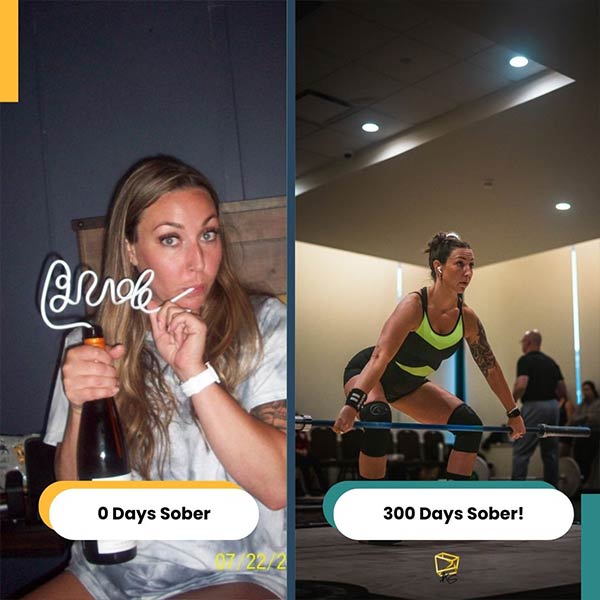
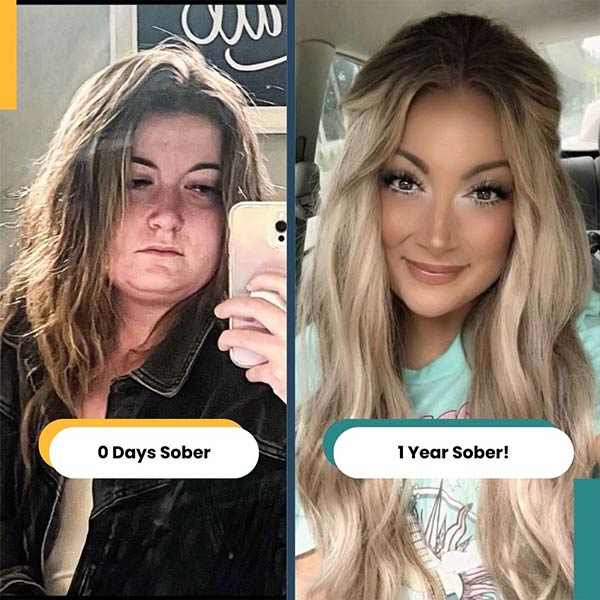
Living Proof: Alumni in Recovery
Real transformations from Still Detox alumni who completed treatment.



What happens without treatment for fentanyl dependence?
Untreated fentanyl dependence carries the highest overdose fatality rate of any substance.
Fatal Overdose
Fentanyl's narrow margin between an active dose and a lethal dose makes every use a life-threatening event.
Xylazine Complications
Street fentanyl laced with xylazine causes necrotic skin wounds that progress to amputation without medical care.
Post-Abstinence Relapse Death
Tolerance drops within days of cessation. Returning to a previous dose stops breathing.
How do you pay for fentanyl detox at Still Detox New Jersey?
TRICARE is accepted in-network. Commercial insurance is accepted out-of-network.
The admissions team verifies benefits before arrival. TRICARE members receive in-network coverage. Commercial plans, union plans and DocPay financing are also accepted. Call (609) 740-2100 for a same-day benefits check.
- ✓Free verificationAdmissions reads your benefits and explains them before you commit.
- ✓TRICARE in-networkContracted through the U.S. Department of Defense.
- ✓Payment plansMonthly drafts arranged through DocPay.
- ✓Travel supportSliding-scale assistance for qualifying patients.
Still Detox does not claim network participation with commercial carriers. Plans are verified individually for out-of-network benefits before admission.
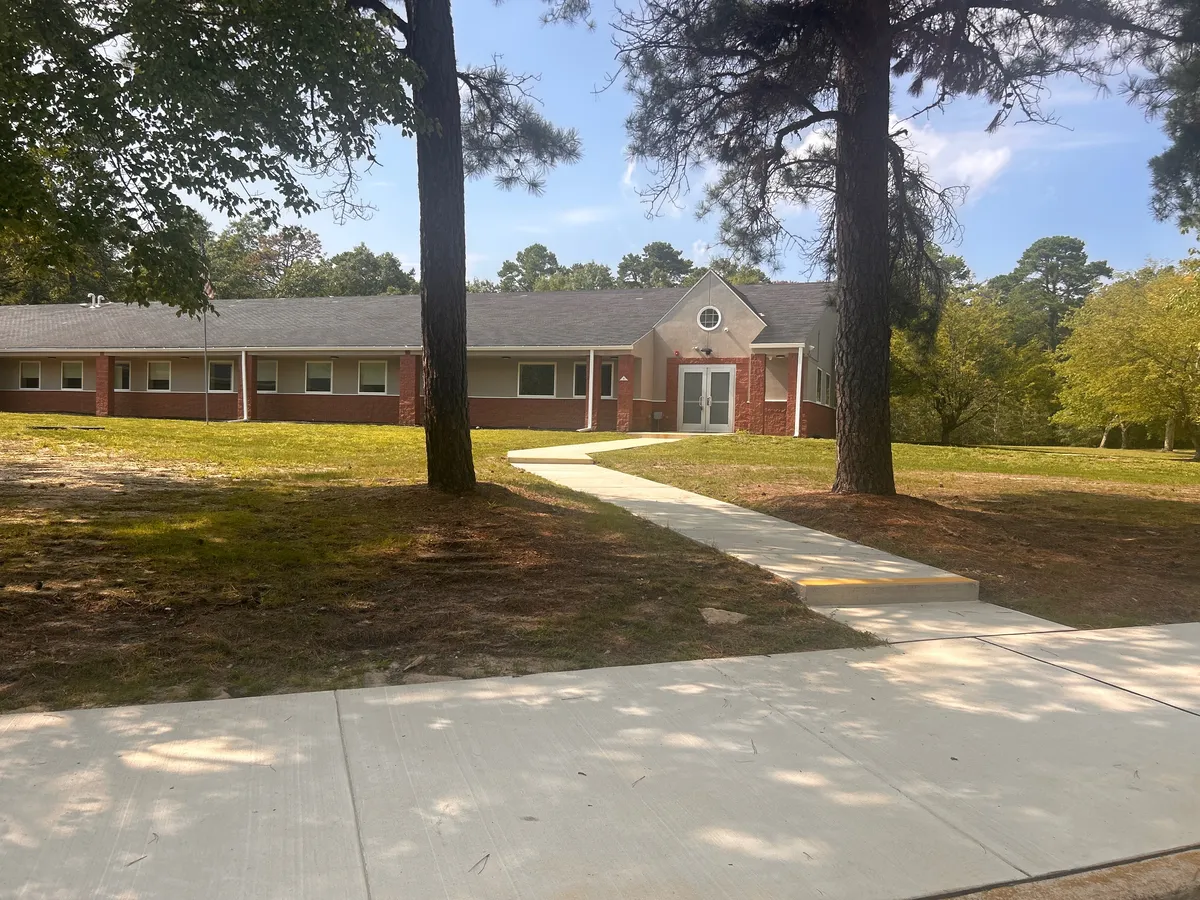
The Mays Landing Facility
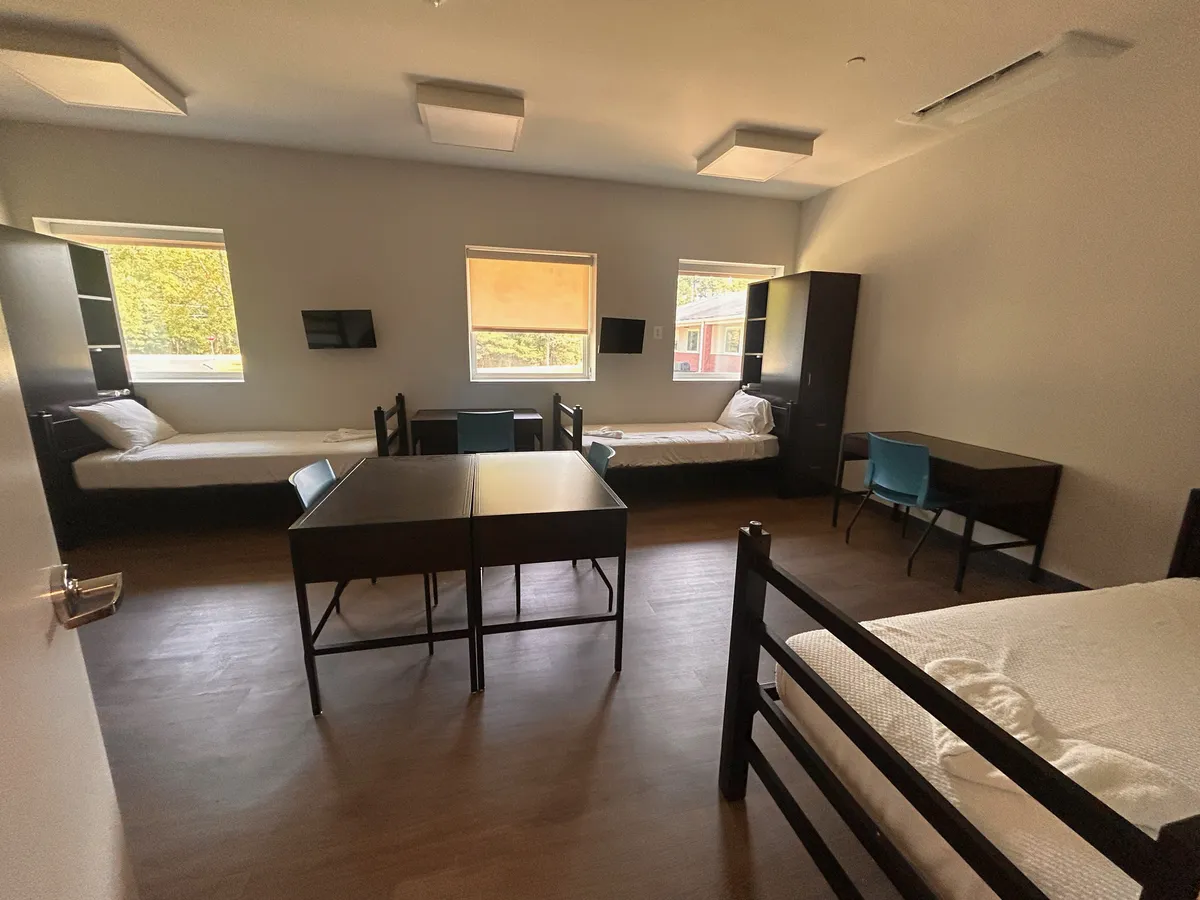
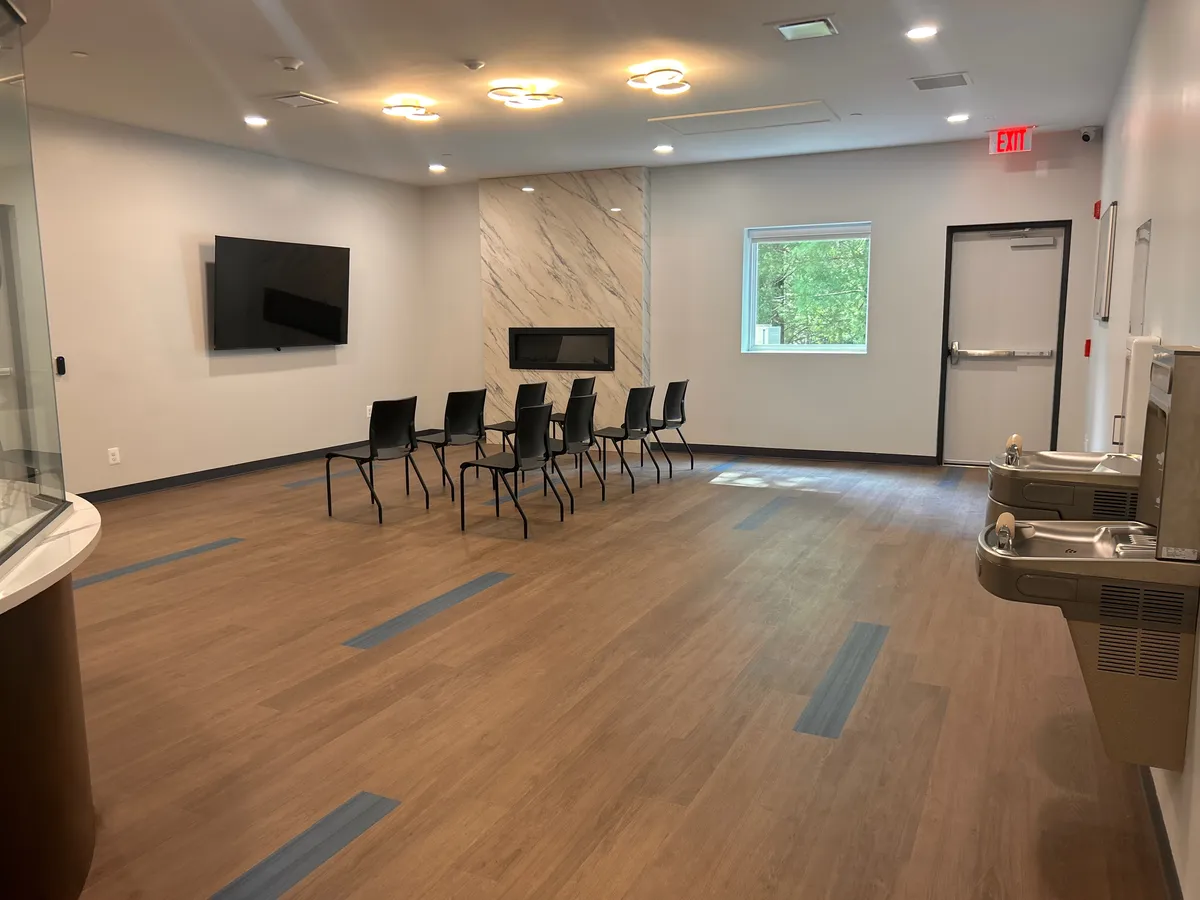
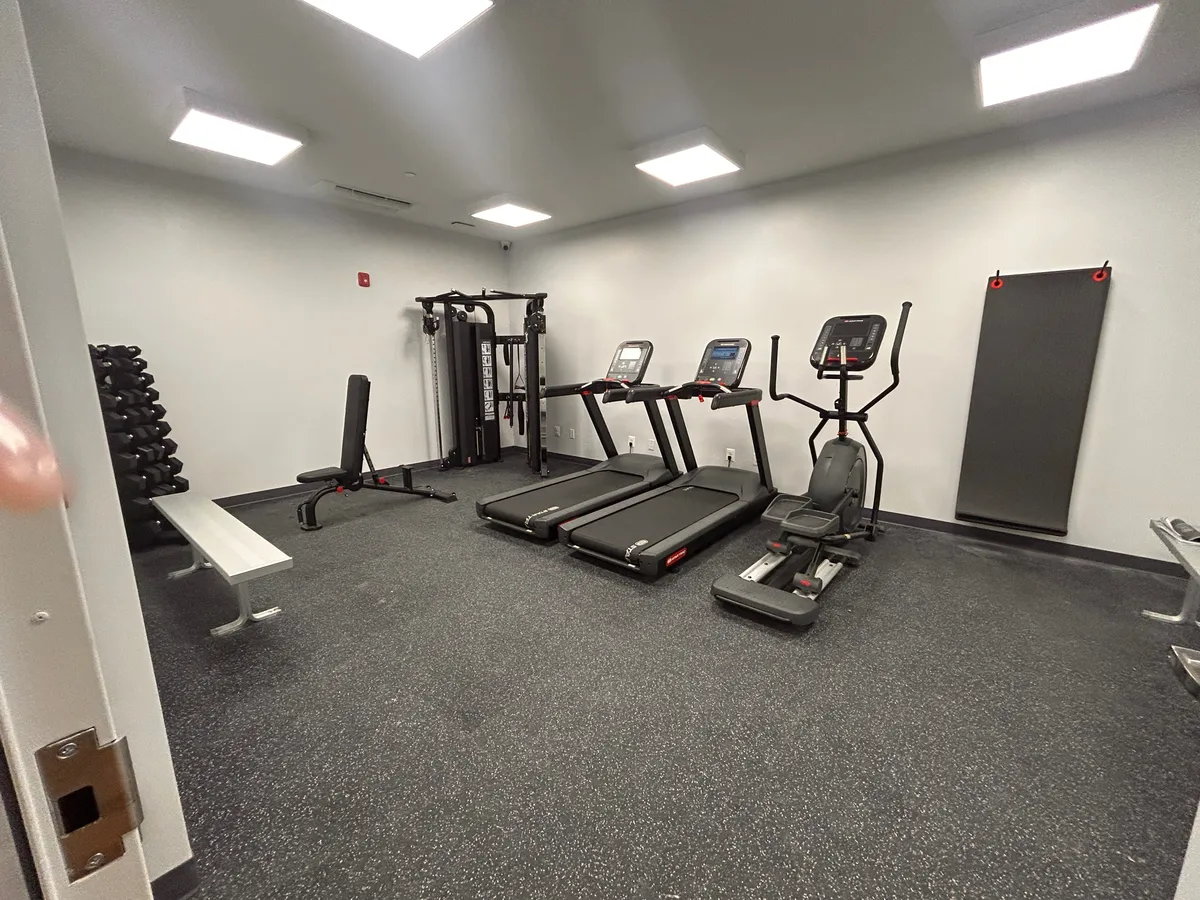
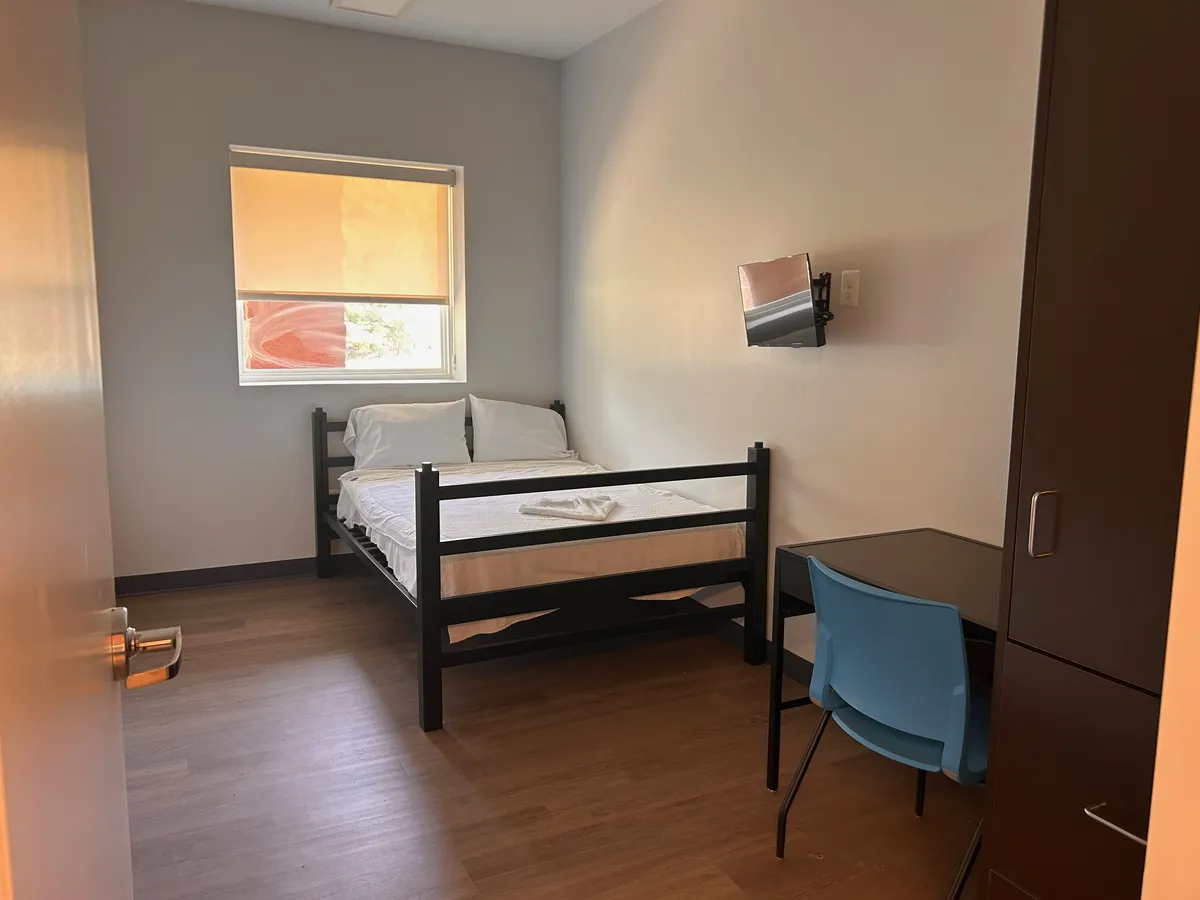
Still Detox New Jersey is a new build on 33 owned acres with 44 beds, 6 private bedrooms, marble bathrooms, a gym inside the detox unit and an outdoor adventure course.
Fentanyl Detox FAQ
How long does fentanyl detox take?
7 to 10 days on average, extending to 14 days for medically complex cases or prolonged xylazine exposure.
Is MAT available during fentanyl detox?
Yes. Buprenorphine/naloxone and naltrexone are prescribed on site as part of the detox protocol.
Does Still Detox accept TRICARE for fentanyl treatment?
TRICARE is in-network. Commercial plans, union plans and DocPay are also accepted.
What is the xylazine risk with fentanyl?
Xylazine-laced fentanyl causes necrotic wounds and complicates withdrawal. Our medical team manages these cases on site.
Is there a phone blackout during detox?
Yes, 72 hours. The blackout starts at admission so residents concentrate on medical stabilization.
What happens after fentanyl detox at Still Detox?
Residents step down to residential treatment on day 8 for up to 30 days of therapy and relapse-prevention work.
Where is Still Detox NJ located relative to Atlantic City?
The facility sits 26 minutes away at 170 Route 50, Mays Landing, accessible from the Atlantic City Expressway.
Begin Fentanyl Detox in Atlantic County
Call (609) 740-2100 to verify insurance and reserve a bed at Still Detox New Jersey. Admissions are accepted 24/7.
Medically reviewed by
Dr. Joseph Ordille, DO
Medical Director, Still Detox New Jersey
Dr. Joseph Ordille, DO, evaluates every client in person within 24 hours, sets taper schedules and approves high-acuity admissions. Meet the New Jersey clinical team.