
TMS Therapy in Atlantic County, New Jersey
Still Detox New Jersey offers TMS on site within a residential treatment setting, which is uncommon among residential facilities in the region. TMS is FDA-cleared, non-invasive and positioned for trauma survivors, veterans and active-duty service members at the 44-bed Mays Landing facility.
 Joint Commission Accredited
 NJ Dept. of Health Licensed
 SAMHSA Certified
 TRICARE In-Network
What is TMS therapy and who is it for?
TMS (transcranial magnetic stimulation) is an FDA-cleared, non-invasive treatment that uses magnetic pulses to stimulate targeted brain regions involved in mood regulation, trauma response and impulse control. At Still Detox New Jersey, TMS is positioned for trauma survivors, veterans and active-duty service members receiving residential treatment for substance use and co-occurring conditions.
TMS delivers focused magnetic pulses to specific cortical areas identified through qEEG brain mapping. The pulses stimulate underactive regions or inhibit overactive regions, depending on the clinical target. Sessions take 20 to 40 minutes, require no anesthesia.
At Still Detox New Jersey, TMS pairs with the full residential program: daily group therapy, weekly individual sessions, psychiatric medication management and dual diagnosis treatment. The on-site psychiatrist oversees both brain mapping and TMS protocols, adjusting targeting based on clinical response.
Speak With Admissions →Why choose Still Detox New Jersey for TMS therapy?
Still Detox New Jersey provides on-site TMS guided by qEEG brain mapping, with a full-time psychiatrist managing the protocol within the residential program.
On-Site TMS Within Residential
TMS sessions happen at the Mays Landing facility during the residential stay. There is no travel to an outside clinic and no gap in treatment.
qEEG-Guided Targeting
Brain mapping identifies the exact cortical regions to stimulate, and the psychiatrist customizes the TMS protocol to each client's neurological profile.
Positioned for Veterans and Service Members
TMS at Still Detox New Jersey is positioned for trauma survivors, veterans and active-duty service members. TRICARE is accepted in-network.
Full-Time Psychiatrist Oversight
The psychiatrist is on site full time, manages TMS protocols directly and adjusts targeting based on clinical response throughout the residential stay.
How does TMS therapy work at Still Detox New Jersey?
TMS at Still Detox New Jersey uses magnetic pulses to stimulate targeted brain regions, with treatment areas identified through qEEG brain mapping and managed by the on-site psychiatrist.
A magnetic coil is placed against the scalp over the targeted brain region. The coil delivers rapid magnetic pulses that pass through the skull and generate small electrical currents in the cortex, activating neurons in the treatment area. The client sits in a chair, remains awake and returns to the residential program immediately after each session.
The treatment area is selected using qEEG brain mapping data. For depression and trauma, the left dorsolateral prefrontal cortex is a primary target. The psychiatrist reviews brain maps, sets the stimulation parameters and monitors clinical response, adjusting the protocol as needed across sessions.
What to expect during TMS therapy at Still Detox New Jersey
TMS therapy at Still Detox New Jersey follows a 4-step process from brain mapping through ongoing protocol adjustment.
qEEG Brain Mapping
A 30-to-45-minute brain mapping session records electrical activity across 19 or more scalp sites. The psychiatrist uses the map to identify the TMS treatment area.
Protocol Design
The psychiatrist sets the stimulation frequency, intensity and coil placement based on the brain map results and the client's clinical presentation.
TMS Sessions
Each session lasts 20 to 40 minutes. The client sits in a chair, a magnetic coil is placed on the scalp and pulses are delivered to the targeted region. No anesthesia is needed.
Ongoing Adjustment
The psychiatrist reviews clinical response after each set of sessions and adjusts the TMS protocol, stimulation parameters or targeted region as the client progresses.
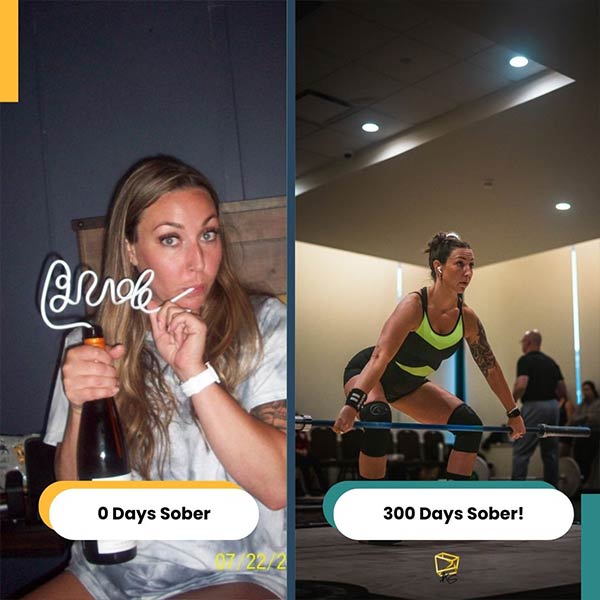
Living Proof: Inspiring Journeys of Alumni
These are real transformations from Still Detox alumni who completed treatment and embraced a life of sobriety.




What happens when trauma and depression go untreated during addiction recovery?
Untreated trauma and depression during addiction recovery increase the risk of relapse, emotional crisis and treatment dropout.
Relapse Driven by Unresolved Trauma
Trauma survivors who do not receive targeted treatment use substances to manage flashbacks, hypervigilance and emotional flooding. The cycle restarts within weeks of discharge.
Treatment-Resistant Depression
Depression that does not respond to medication alone stalls recovery. Persistent low mood, anhedonia and fatigue reduce engagement in therapy and daily programming.
Emotional Crisis and Dropout
Unaddressed co-occurring conditions create emotional crises that lead to early discharge against medical advice, before the residential program can take effect.
Insurance and payment for TMS therapy in New Jersey
Still Detox New Jersey is out-of-network with commercial plans and in-network with TRICARE. TMS is provided as part of the residential treatment program at the Mays Landing facility.
Union plans are a primary payer group in New Jersey. Still Detox New Jersey verifies union and Taft-Hartley benefits individually, including Horizon Blue Cross Blue Shield for NJ teachers and Aetna for Amtrak employees.
Payment plans run through DocPay, with agreed terms and automatic monthly drafts from a bank account or credit card.
- ✓Free verificationAdmissions reads your benefits and explains them before you commit.
- ✓TRICARE in-networkContracted through the U.S. Department of Defense.
- ✓Payment plansMonthly drafts arranged through DocPay.
- ✓Travel supportSliding-scale assistance for qualifying patients.
Still Detox does not claim network participation with commercial carriers. Plans are verified individually for out-of-network benefits before admission.
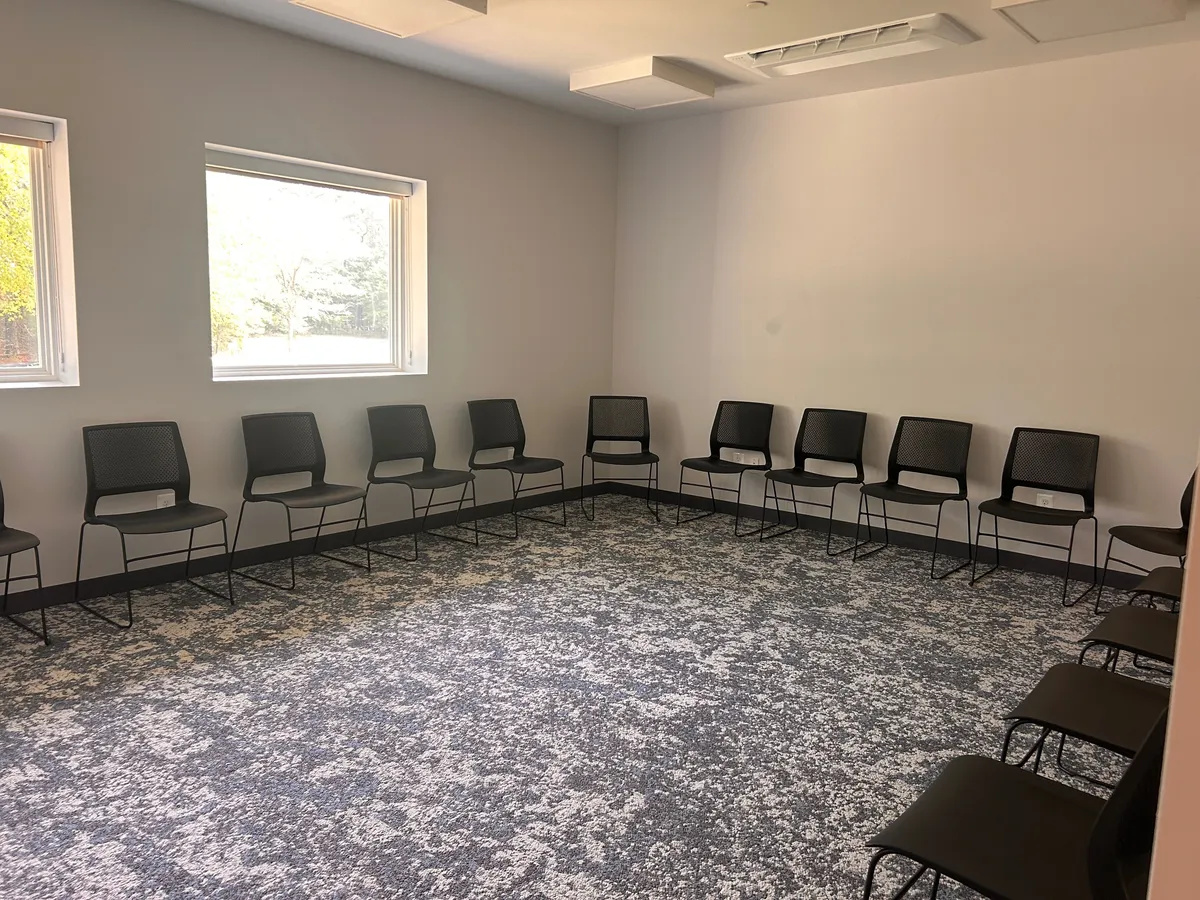
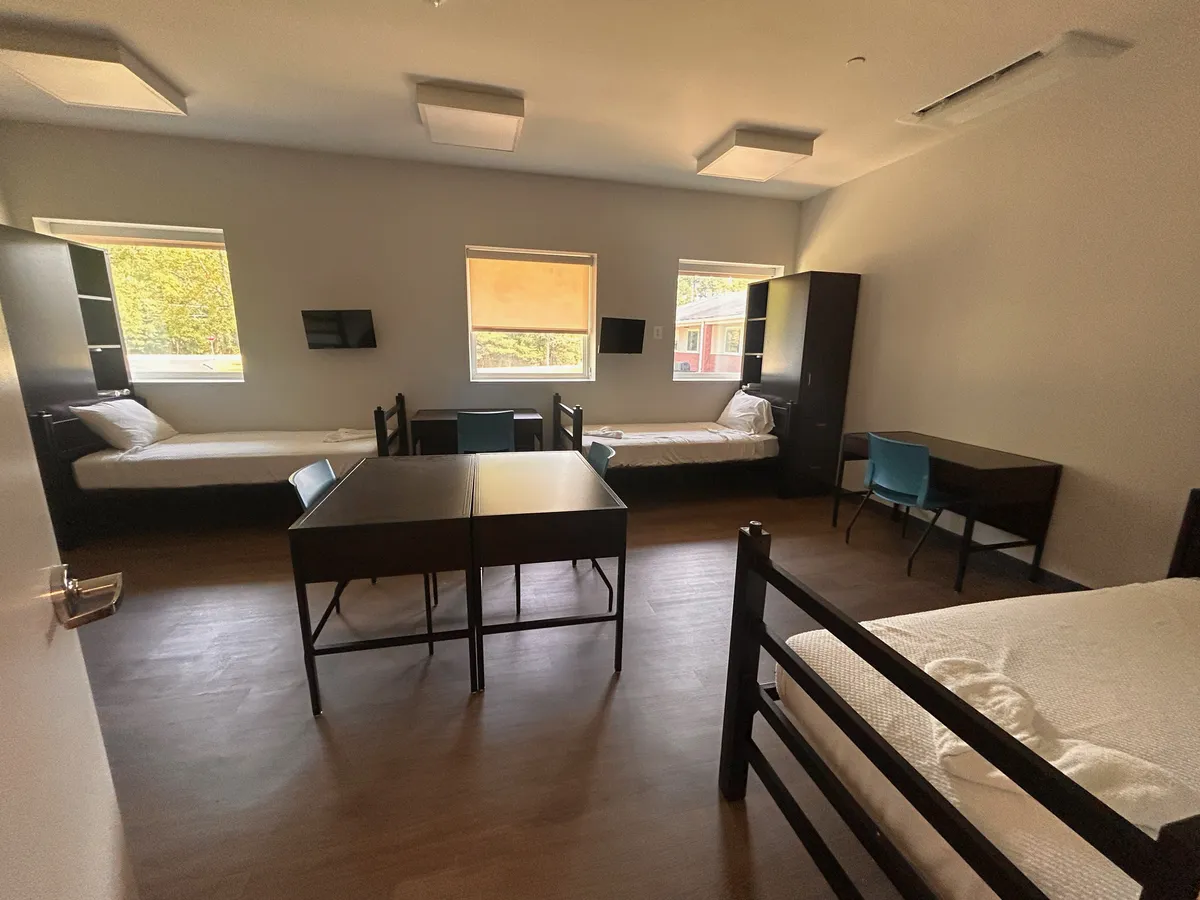
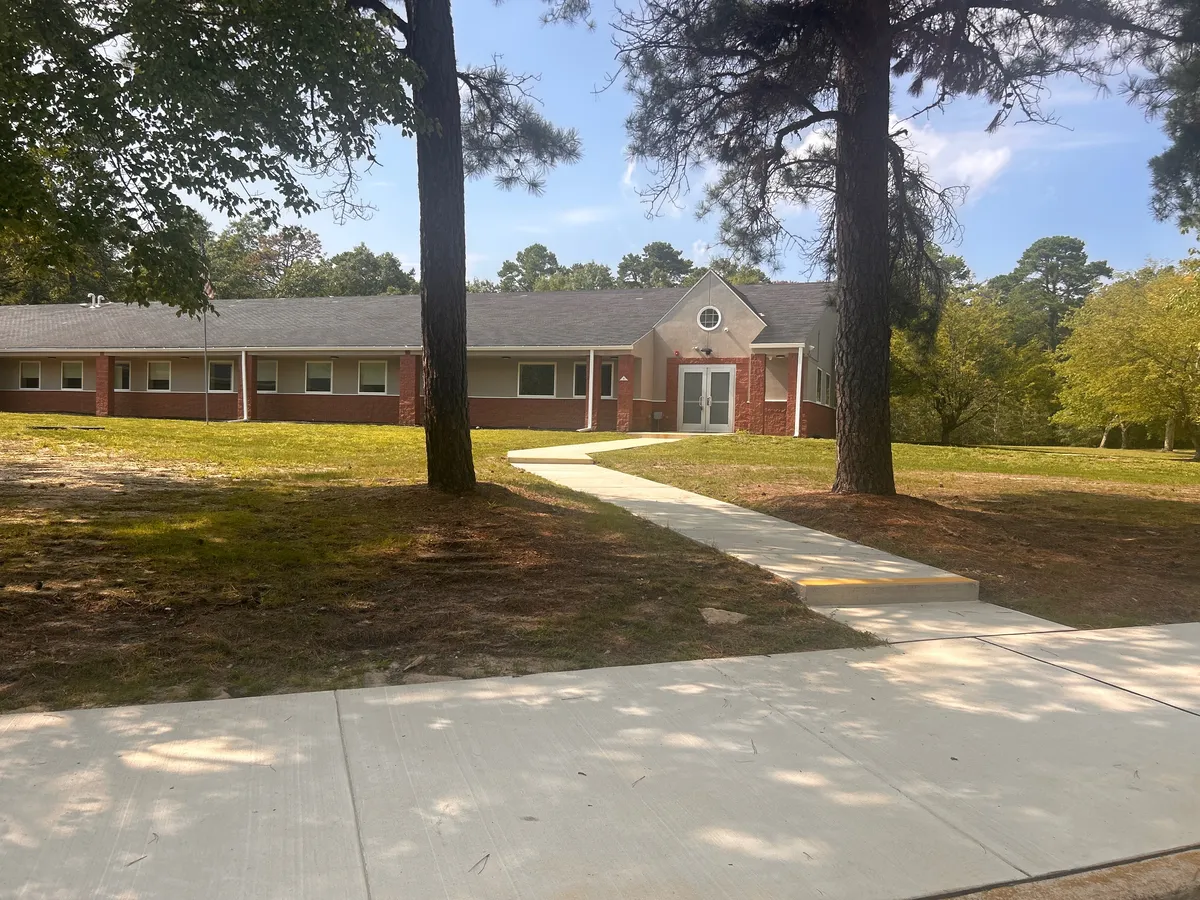
The Mays Landing Facility
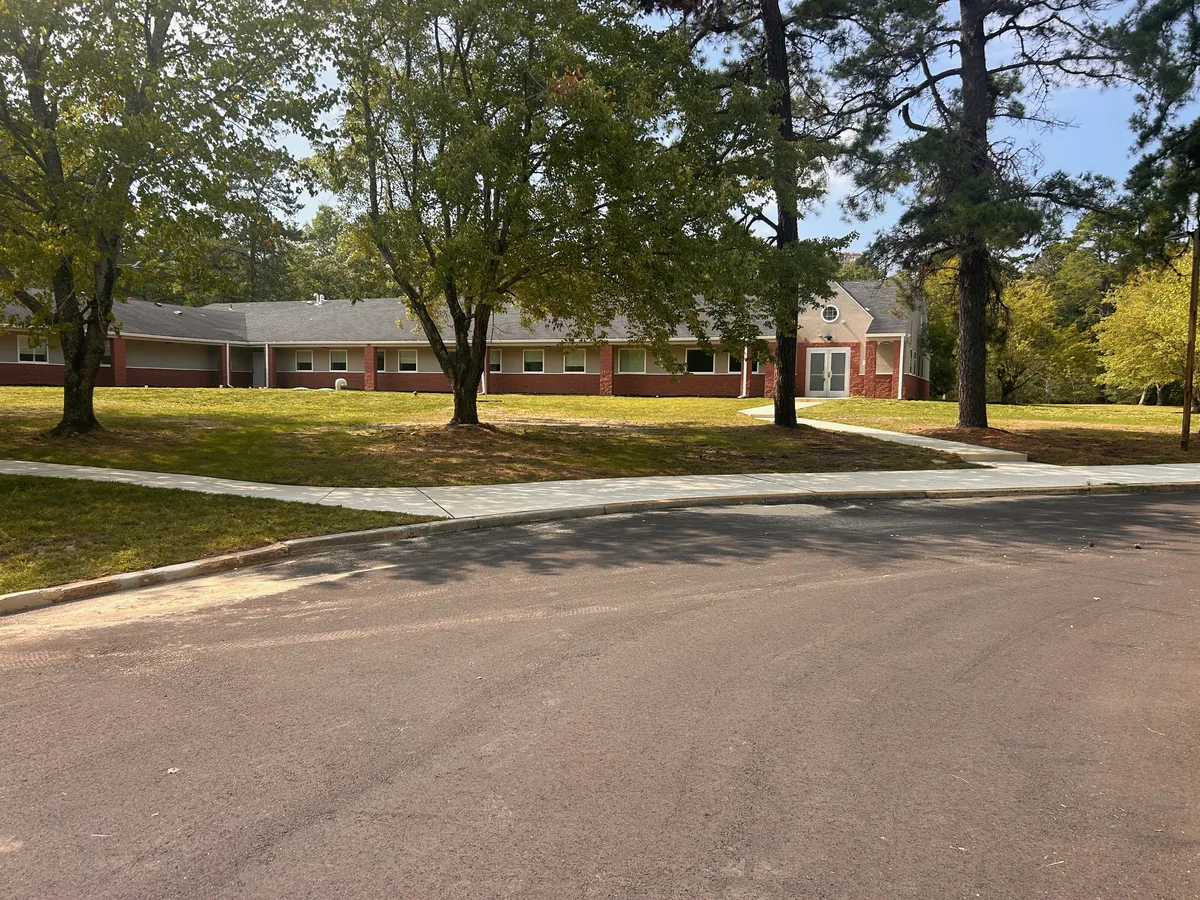
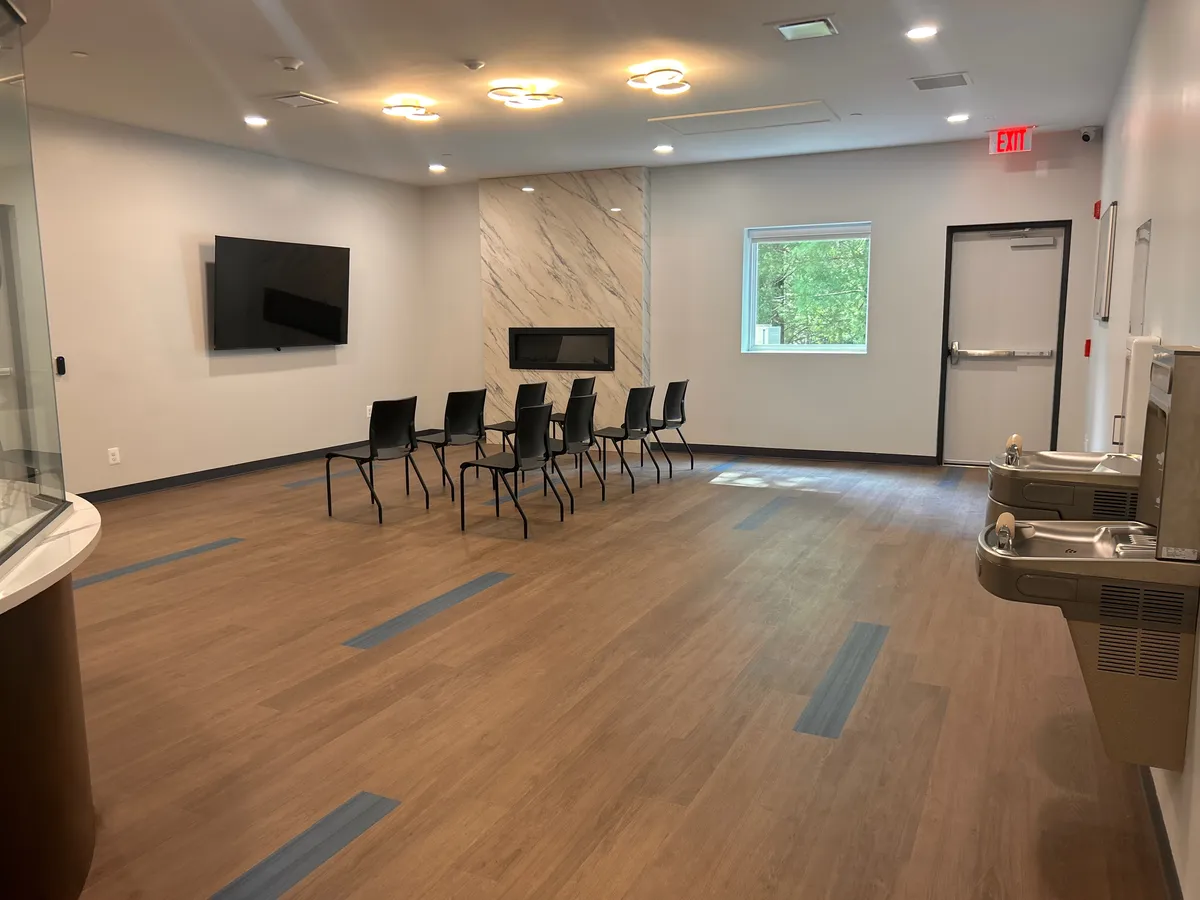
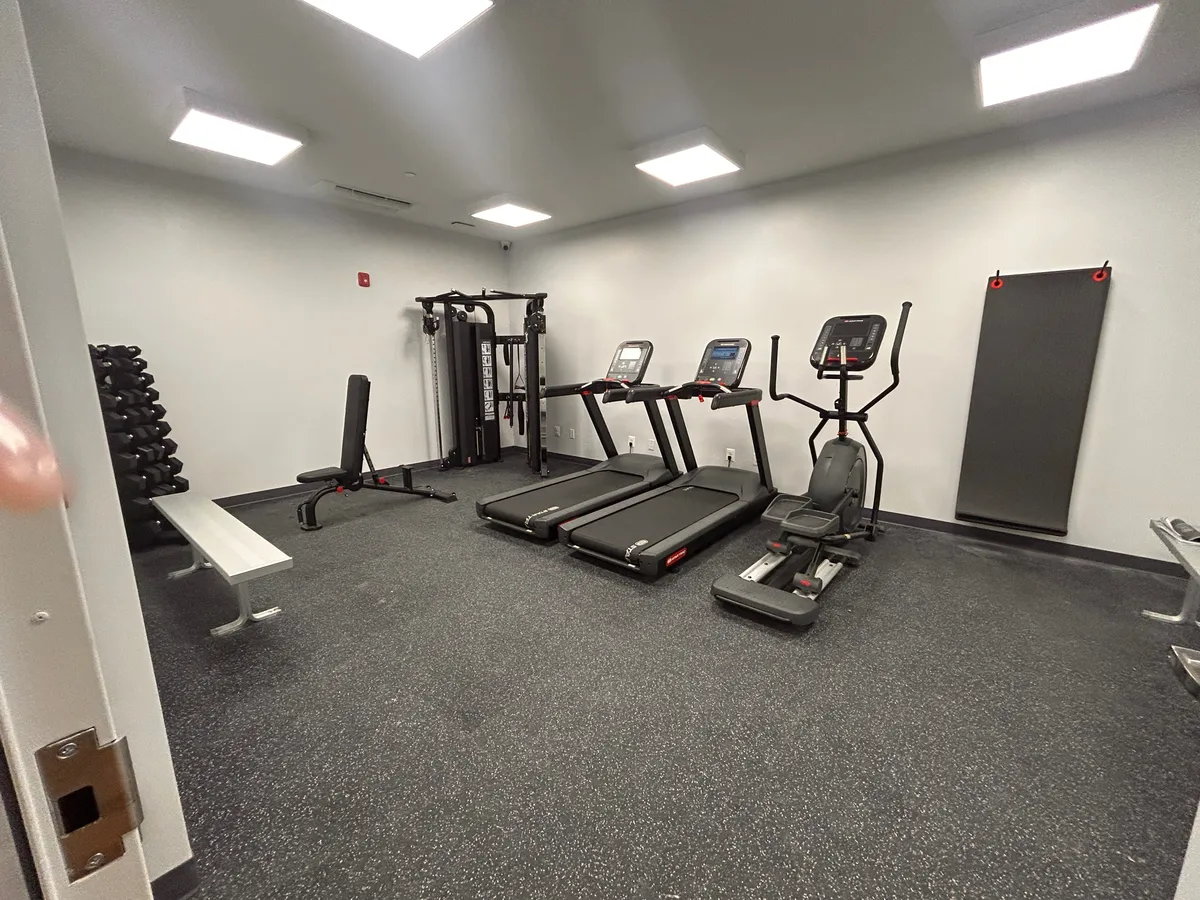
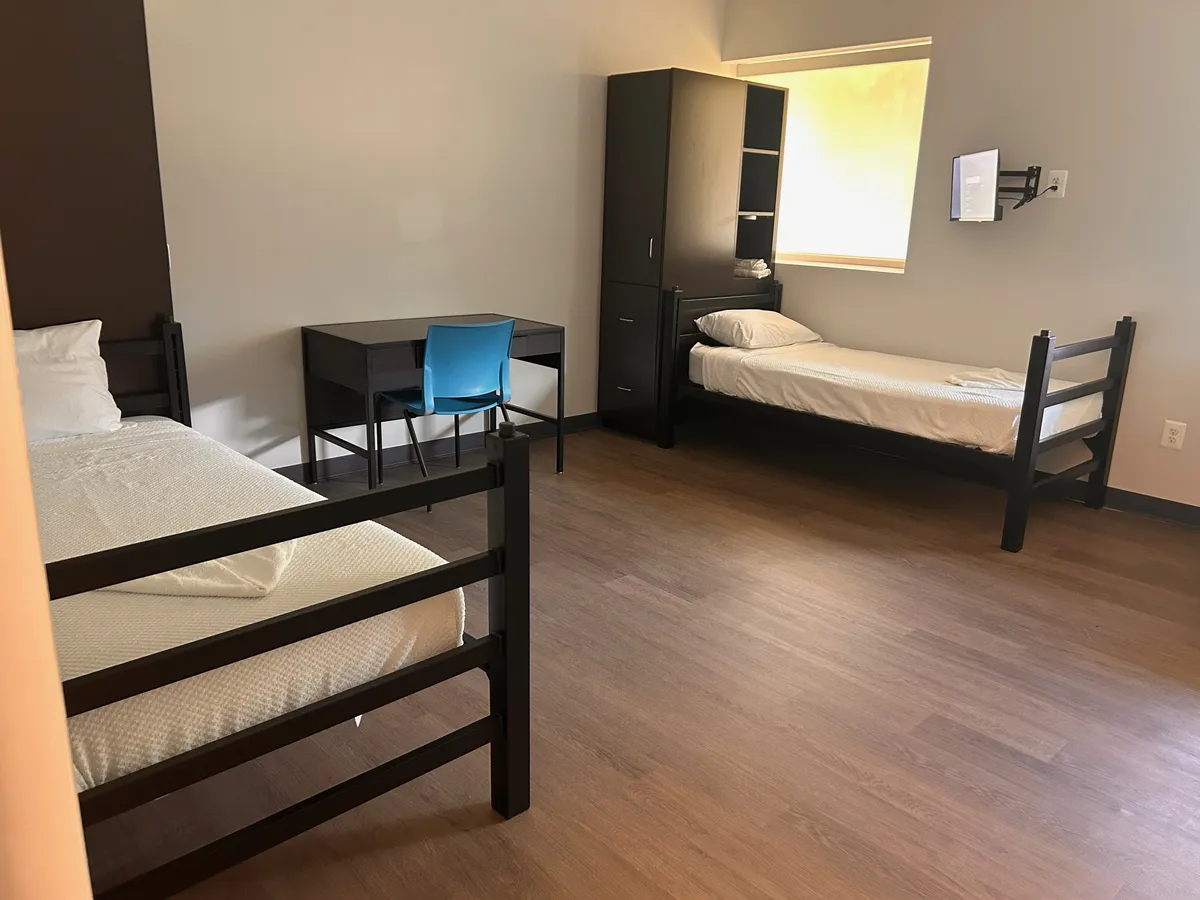
Still Detox New Jersey is a new build on 33 owned acres with 44 beds, 6 private bedrooms, marble bathrooms, a full gym inside the detox unit and an outdoor adventure course.
TMS Therapy FAQ
What is transcranial magnetic stimulation?
TMS is an FDA-cleared, non-invasive treatment that delivers magnetic pulses to targeted brain regions to stimulate or inhibit neural activity involved in depression, trauma and impulse control.
Is TMS therapy painful?
No. Clients feel a tapping sensation on the scalp during treatment. No anesthesia is needed and clients return to the residential program immediately after each session.
How long is a TMS session?
Each TMS session lasts 20 to 40 minutes. The client sits in a chair during the session and no recovery time is required afterward.
Who is TMS therapy for at Still Detox New Jersey?
TMS is positioned for trauma survivors, veterans and active-duty service members with co-occurring depression, PTSD or treatment-resistant mood disorders alongside substance use.
How does brain mapping guide TMS?
A qEEG brain map identifies the exact cortical regions to stimulate. The psychiatrist uses this data to set coil placement, frequency and intensity for each client.
How far is Still Detox New Jersey from Atlantic City?
Still Detox New Jersey sits at 170 Route 50 in Mays Landing, just 26 minutes from Atlantic City. Admissions arranges transportation and on-site parking is provided at no cost.
Does Still Detox New Jersey accept TRICARE for TMS?
Yes. Still Detox New Jersey is in-network with TRICARE through the U.S. Department of Defense. Commercial plans are verified for out-of-network benefits before admission.
TMS therapy in Atlantic County starts with one call
Still Detox New Jersey admissions verifies benefits, explains TMS and confirms a bed in Mays Landing. Call (609) 740-2100 now.
Medically reviewed by
Dr. Joseph Ordille, DO
Medical Director, Still Detox New Jersey
Dr. Joseph Ordille, DO, evaluates every client in person within 24 hours, sets taper schedules and approves high-acuity admissions. Meet the New Jersey clinical team.