
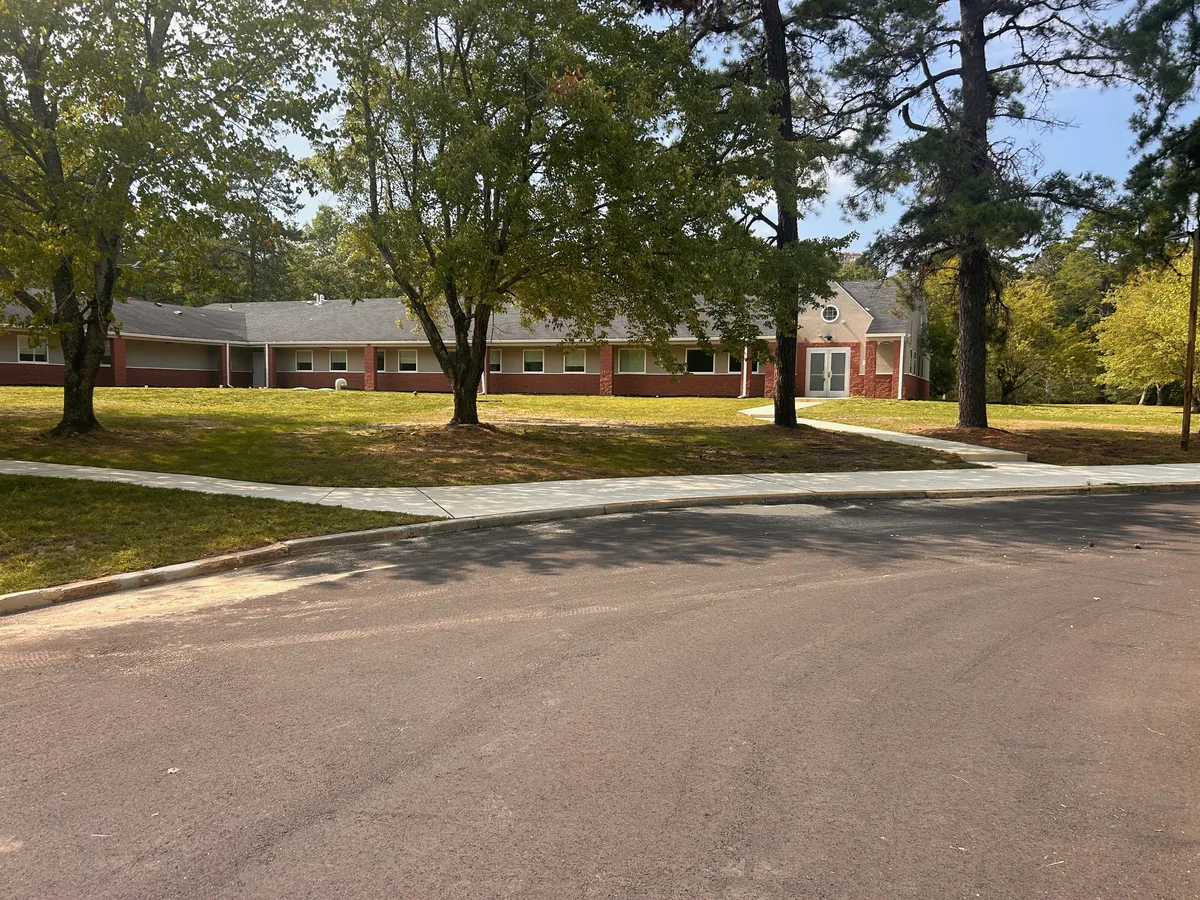
Family Program in Atlantic County, New Jersey
Family involvement at Still Detox New Jersey follows a structured clinical sequence that begins after a 72-hour communication blackout. Therapist-monitored phone and video calls resume first, followed by weekly on-site family therapy sessions at the Mays Landing campus. Discharge planning includes the family from the start.
 Joint Commission Accredited
 NJ Dept. of Health Licensed
 SAMHSA Certified
 TRICARE In-Network
When can I talk to my loved one after they are admitted?
After a mandatory 72-hour communication blackout, therapist-monitored phone and video calls begin. The blackout is a clinical boundary that allows the client to stabilize medically and engage in the treatment process without external distraction.
The 72-hour blackout applies to all clients equally. Phones are not kept during treatment. Pre-agreed exceptions exist for executives and are staff-monitored. After the blackout, the therapist determines when the client is ready for family contact and schedules monitored calls.
Weekly family therapy sessions happen on site at 170 Route 50, Mays Landing. Families who live far from Atlantic County participate by secure video with the therapist present. The goal is to rebuild communication patterns before the client returns home.
Why does Still Detox New Jersey enforce a 72-hour blackout?
The blackout removes external stressors during the most medically acute phase of detox so the client focuses entirely on medical stabilization and clinical engagement.
Unrestricted phone access during acute withdrawal introduces emotional triggers, work pressure and family conflict at the worst possible time. The 72-hour boundary protects the client's early recovery and gives the clinical team an uninterrupted window to complete evaluations, set the treatment plan and stabilize medications.
What does weekly family therapy look like?
A licensed therapist leads structured family sessions focused on communication patterns, boundary setting and the family's role in the aftercare plan.
Sessions take place on site at the Mays Landing campus or by secure video when families live far from Atlantic County. The therapist prepares both the client and the family before the session, and debriefs the client afterward. Family therapy is part of the treatment plan, not a courtesy visit.
How is the family involved in discharge planning?
Case managers brief family members on the aftercare plan, meeting schedules, provider contacts and relapse-prevention strategies before the client leaves the facility.
Discharge planning begins at admission. The family's involvement escalates from monitored calls during the blackout recovery period to active participation in the discharge plan. Case managers ensure the family understands the step-down structure and knows who to call if concerns arise after discharge.
How family contact progresses during treatment
Family involvement at Still Detox New Jersey follows a 4-stage clinical sequence from blackout to discharge.
72-Hour Blackout
All personal devices are collected at intake, and personal communication pauses for 72 hours.
Therapist-Monitored Contact
After the blackout, the therapist schedules phone or video calls with the therapist present. Call frequency increases as the client progresses.
On-Site Family Therapy
Weekly family sessions happen at 170 Route 50, Mays Landing, or by secure video. The therapist leads structured work on communication and boundaries.
Discharge Involvement
Case managers brief the family on the aftercare plan, provider contacts, meeting schedules and relapse-prevention strategies before discharge.
Family Program FAQ
Are phones allowed during treatment?
No. Phones are collected at intake and not returned during treatment. Pre-agreed exceptions for executives are staff-monitored.
Can family sessions happen by video?
Yes. Families who live far from Atlantic County participate in weekly sessions by secure video with the therapist present.
Is the blackout the same for everyone?
Yes. The 72-hour communication blackout applies to every client at Still Detox New Jersey without exception beyond pre-agreed executive accommodations.
How far is the family therapy location from Atlantic City?
On-site family therapy happens at 170 Route 50, Mays Landing, 26 minutes from Atlantic City by the Expressway.
Can family members visit outside of therapy sessions?
Visits are scheduled through the clinical team after the blackout. Contact admissions at (609) 740-2100 for the current visiting policy.
Your family is part of the treatment plan
Call (609) 740-2100 to ask about the family program at Still Detox New Jersey. Admissions explains the blackout, the timeline and how families participate in treatment and discharge.
Medically reviewed by
Dr. Joseph Ordille, DO
Medical Director, Still Detox New Jersey
Dr. Joseph Ordille, DO, evaluates every client in person within 24 hours, sets taper schedules and approves high-acuity admissions. Meet the New Jersey clinical team.