
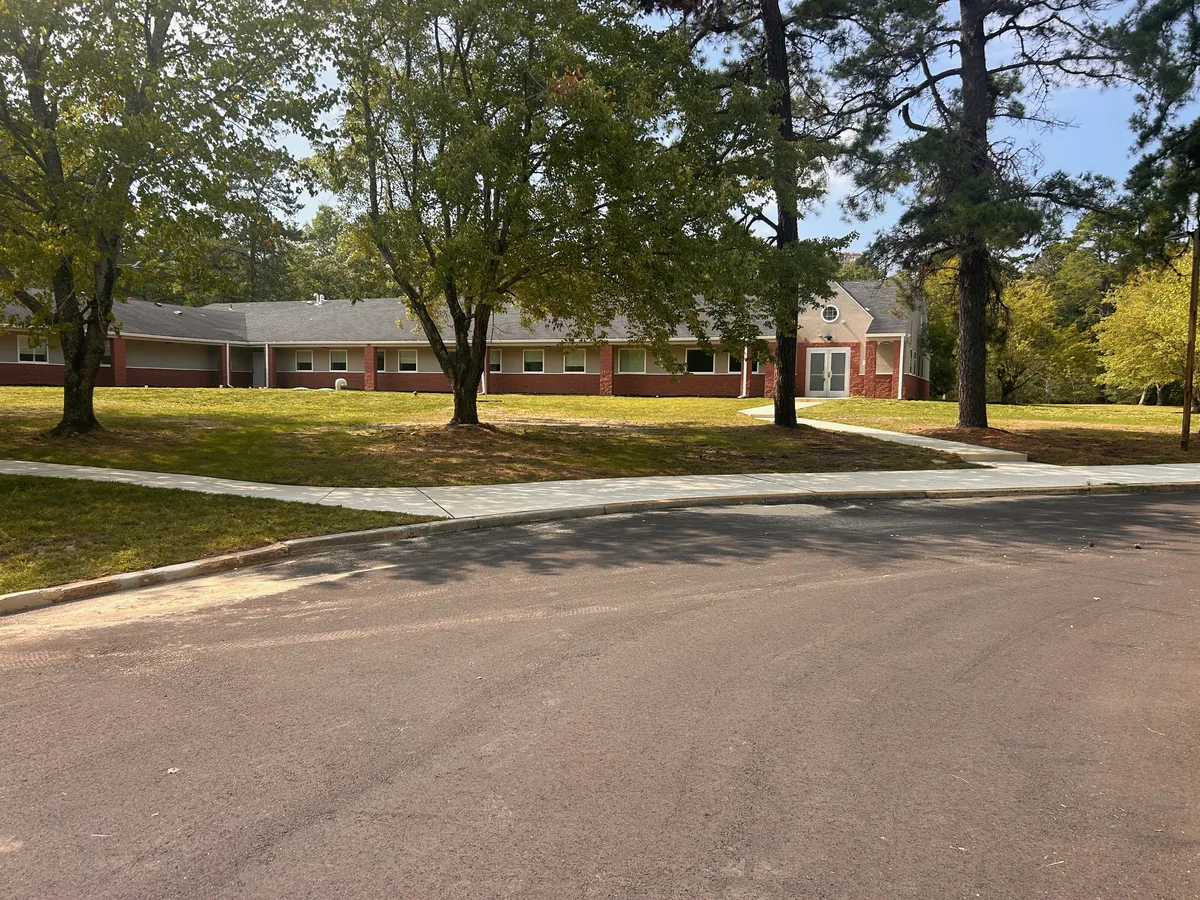
Heroin Detox in Atlantic County, New Jersey
Heroin was the primary substance in 1,114 of 2,348 treatment admissions in Atlantic City during 2024 (NJ DMHAS). Still Detox New Jersey provides medically supervised heroin detox with comfort medications, MAT and 24/7 nursing on a private 33-acre campus in Mays Landing.
 Joint Commission Accredited
 NJ Dept. of Health Licensed
 SAMHSA Certified
 TRICARE In-Network
What are the symptoms of heroin withdrawal?
Heroin withdrawal produces severe muscle pain, nausea, vomiting, diarrhea, insomnia and intense cravings beginning 6 to 12 hours after the last dose.
The symptoms are the body's response to the sudden absence of opioid stimulation. Pupils dilate, heart rate and blood pressure spike, and involuntary leg movements disrupt sleep. The severity depends on the duration and amount of use, route of administration and whether the heroin supply was laced with fentanyl.
At Still Detox NJ, the full-time Medical Director evaluates every admission within 24 hours and prescribes an individualized comfort-care protocol. Buprenorphine/naloxone or naltrexone is available as part of medication-assisted treatment. Detox averages 7 to 10 days, extending to 14 for complex cases.
Why does heroin dependence require inpatient detox?
Heroin withdrawal is extremely uncomfortable, and relapse during unsupervised withdrawal is frequently fatal because tolerance drops faster than cravings.
A person who returns to their previous dose after even a few days without heroin risks fatal respiratory depression. Inpatient detox provides medical oversight, MAT induction, comfort medications and the controlled environment necessary to bridge safely into residential treatment.
Why choose Still Detox New Jersey for heroin detox?
High-acuity medical care, MAT availability and direct residential step-down make Still Detox the right choice for heroin recovery in South Jersey.
Medication-Assisted Treatment
Buprenorphine/naloxone and naltrexone stabilize opioid receptors and reduce cravings throughout detox and beyond.
Full-Time Medical Director
An on-site physician evaluates every resident within 24 hours and adjusts protocols daily.
High Medical Acuity
PICC lines, HIV, hepatitis C, cirrhosis, seizure history and C. diff are managed on site.
TMS & Brain Mapping
TMS and brain mapping run on site, with TMS positioned for trauma, veterans and service members.
44-Bed New-Build Campus
A purpose-built facility on 33 private acres provides a controlled recovery environment.
What does the heroin withdrawal timeline look like?
Symptoms begin 6 to 12 hours after the last dose and peak around days 3 through 5.
Onset
Anxiety, yawning, muscle aches, sweating and a runny nose signal the beginning of withdrawal.
Escalation
Nausea, vomiting, diarrhea, abdominal cramping and severe muscle pain intensify.
Peak Symptoms
Physical symptoms reach maximum intensity. Insomnia and cravings are at their worst.
Subsiding Phase
Acute symptoms gradually decrease. MAT medications continue to stabilize opioid receptors.
Residential Transition
Residents step down into structured therapeutic programming for up to 30 days.
What does heroin treatment look like from admission to step-down?
A five-phase pathway carries residents from intake through residential programming.
Intake & Evaluation
The Medical Director completes a full assessment within 24 hours. A 72-hour communication blackout begins.
MAT Induction
Buprenorphine/naloxone or naltrexone is initiated under supervision to stabilize opioid receptors and reduce cravings.
Comfort Care
Comfort medications address muscle pain, nausea, diarrhea and insomnia while nursing staff monitor vitals every 4 hours.
Clinical Introduction
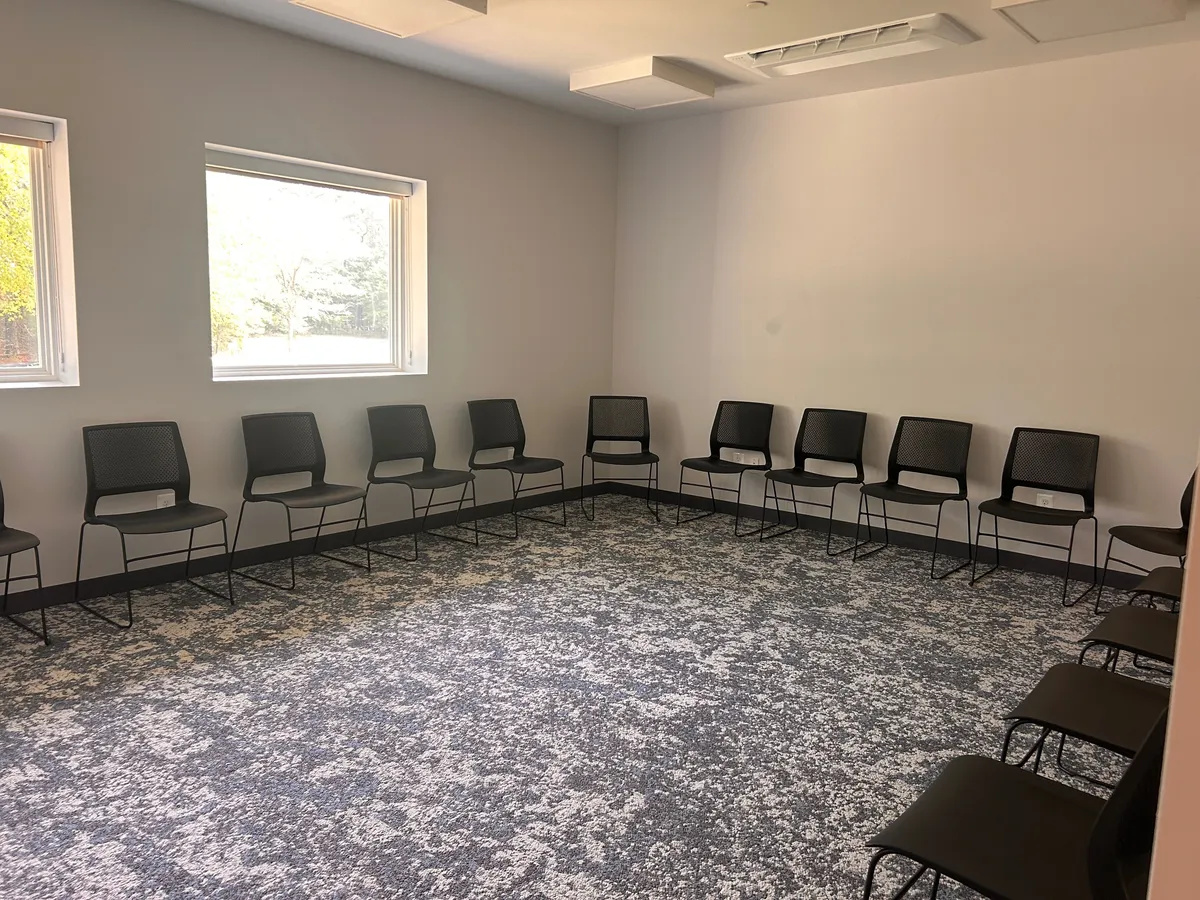
Individual and group sessions begin as medical stability allows. Three separable group rooms accommodate gender or acuity splits.
Step-Down to Residential
Around day 8, residents transition into the full therapeutic schedule for up to 30 days.
What are the signs someone needs heroin detox?
Track marks, pinpoint pupils and withdrawal sickness between doses are reliable indicators of heroin dependence.
Other warning signs include dramatic weight loss, nodding off at inappropriate times, nasal damage from snorting, hidden paraphernalia, financial deterioration and continued use despite overdose events.
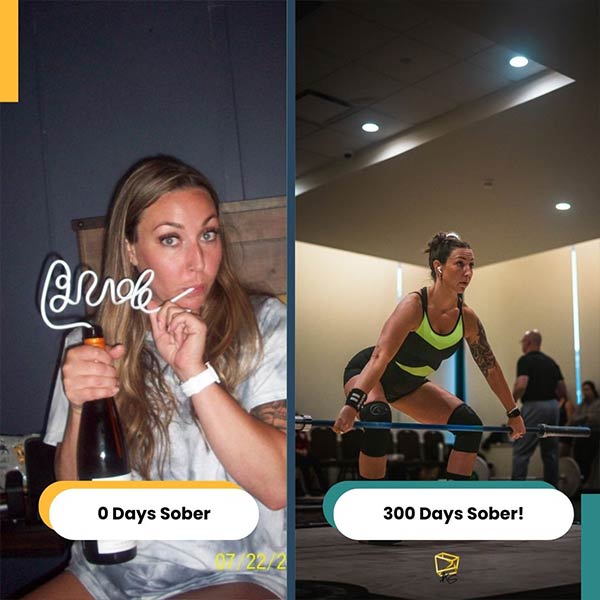
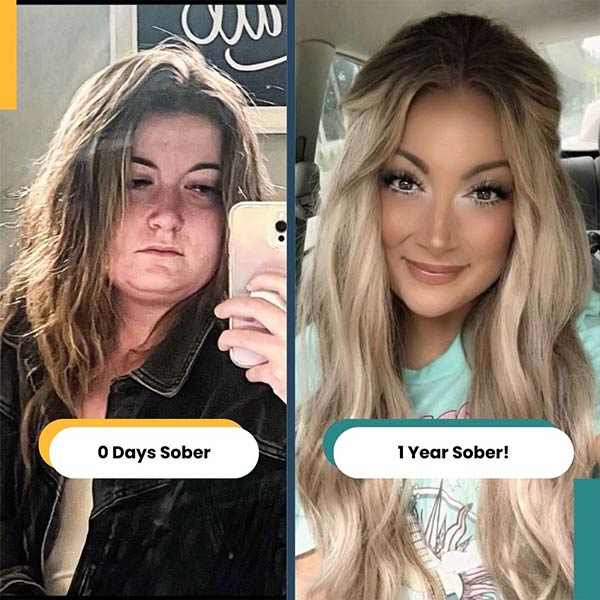
Living Proof: Alumni in Recovery
Real transformations from Still Detox alumni who completed treatment.



What happens without treatment for heroin dependence?
Untreated heroin dependence drives a cycle of overdose, infection and premature death.
Fatal Overdose
Heroin is frequently laced with fentanyl. A single contaminated dose causes respiratory arrest within minutes.
Bloodborne Infections
Injection use transmits HIV, hepatitis B and hepatitis C. Abscesses and endocarditis require hospitalization.
Post-Abstinence Relapse Death
Tolerance drops within days. Returning to a previous dose after a period of abstinence is the leading cause of opioid overdose death.
How do you pay for heroin detox at Still Detox New Jersey?
TRICARE is accepted in-network. Commercial insurance is accepted out-of-network.
Benefits verification happens before admission. TRICARE members receive in-network coverage. Commercial plans, union plans and DocPay financing are also accepted. Call (609) 740-2100 for same-day verification.
- ✓Free verificationAdmissions reads your benefits and explains them before you commit.
- ✓TRICARE in-networkContracted through the U.S. Department of Defense.
- ✓Payment plansMonthly drafts arranged through DocPay.
- ✓Travel supportSliding-scale assistance for qualifying patients.
Still Detox does not claim network participation with commercial carriers. Plans are verified individually for out-of-network benefits before admission.
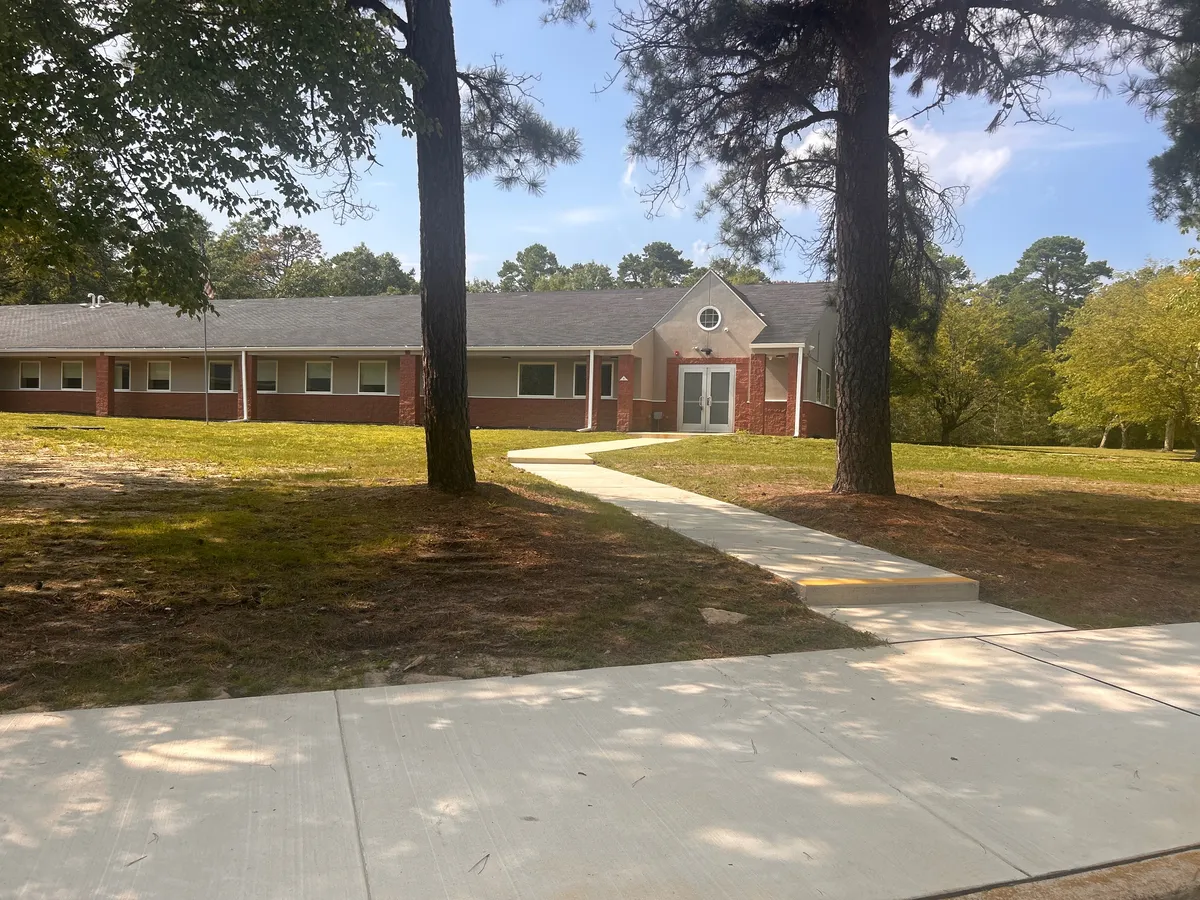
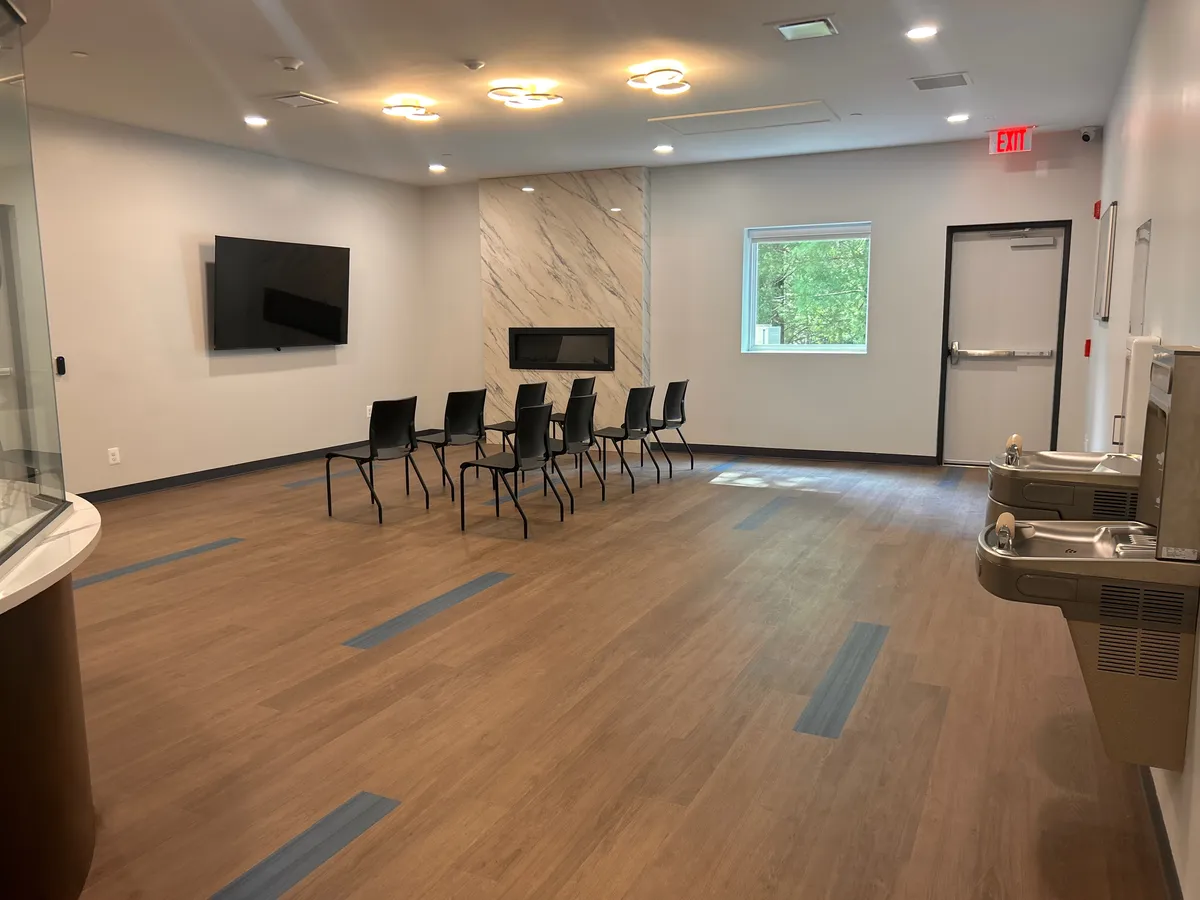
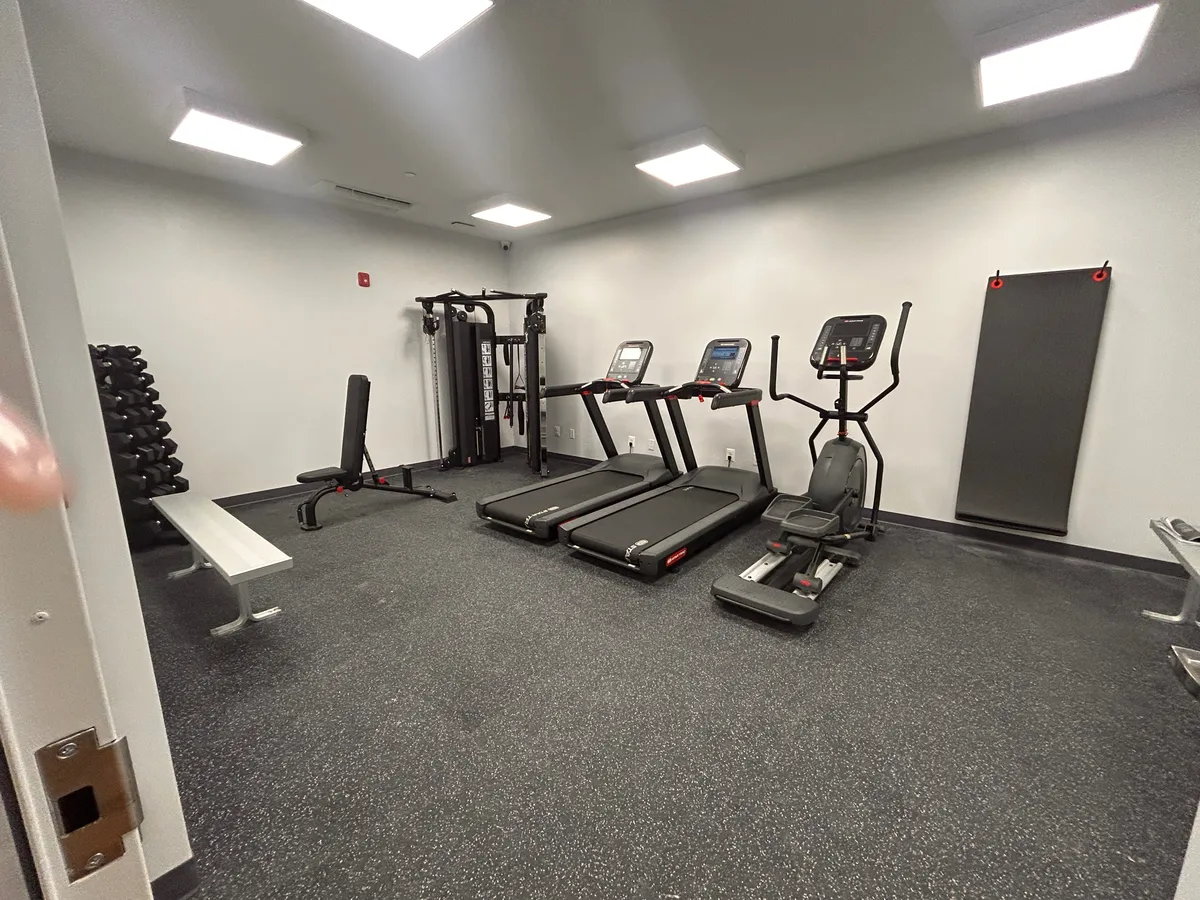
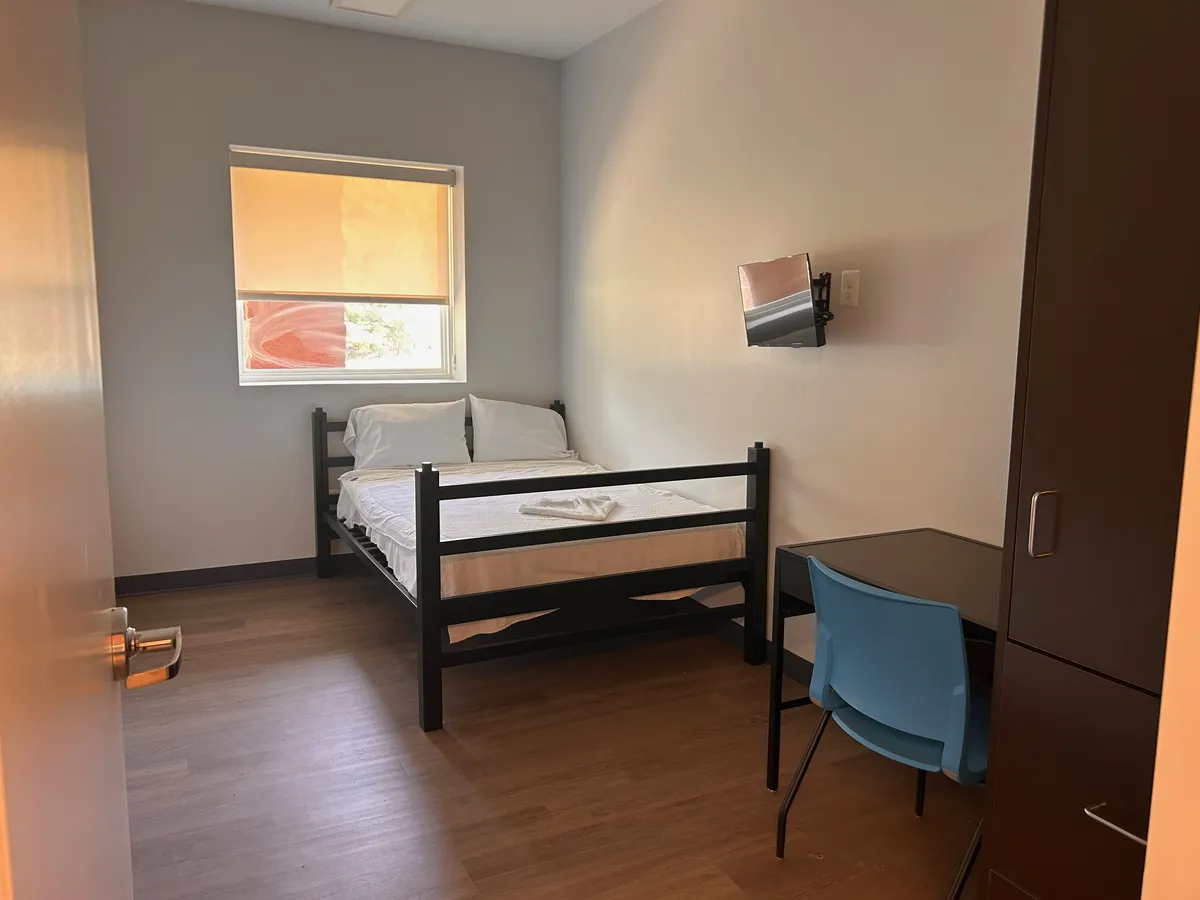
The Mays Landing Facility
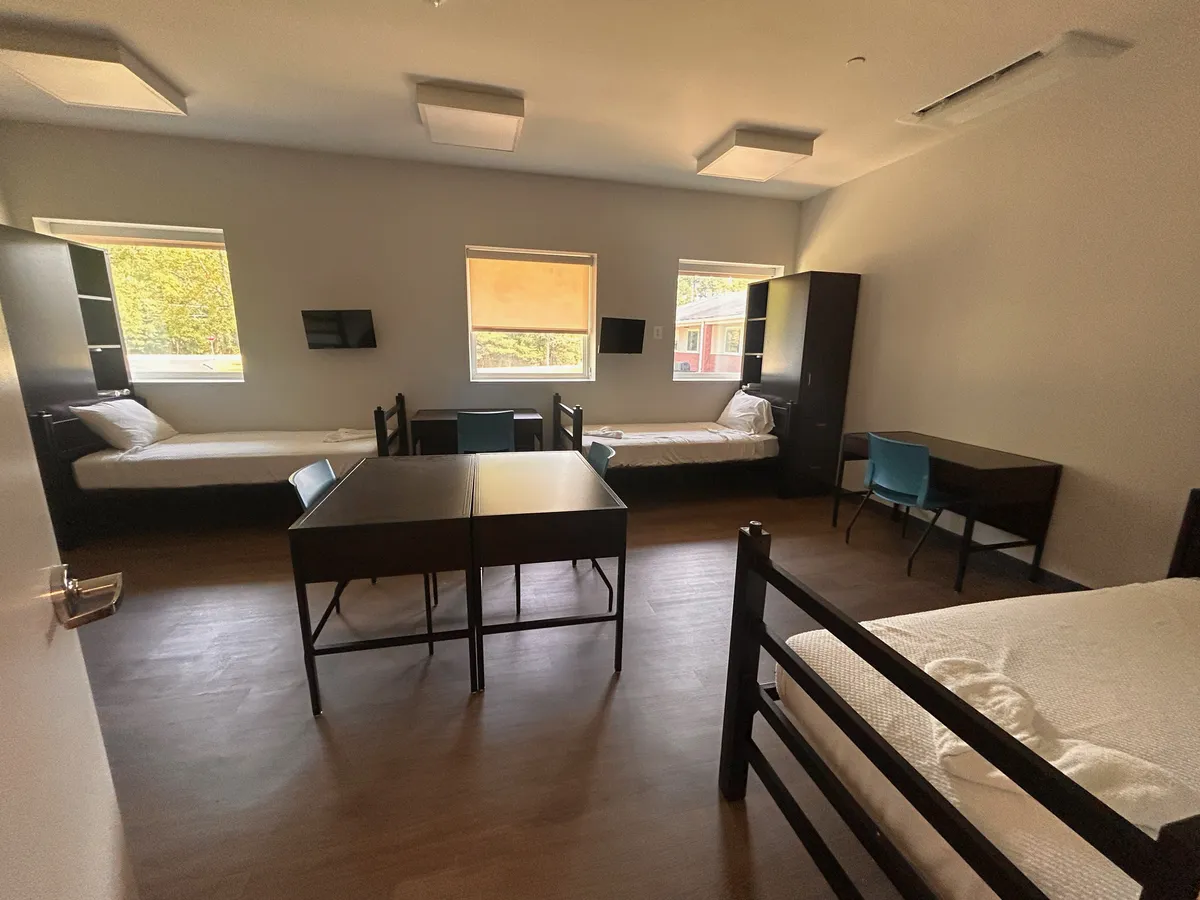
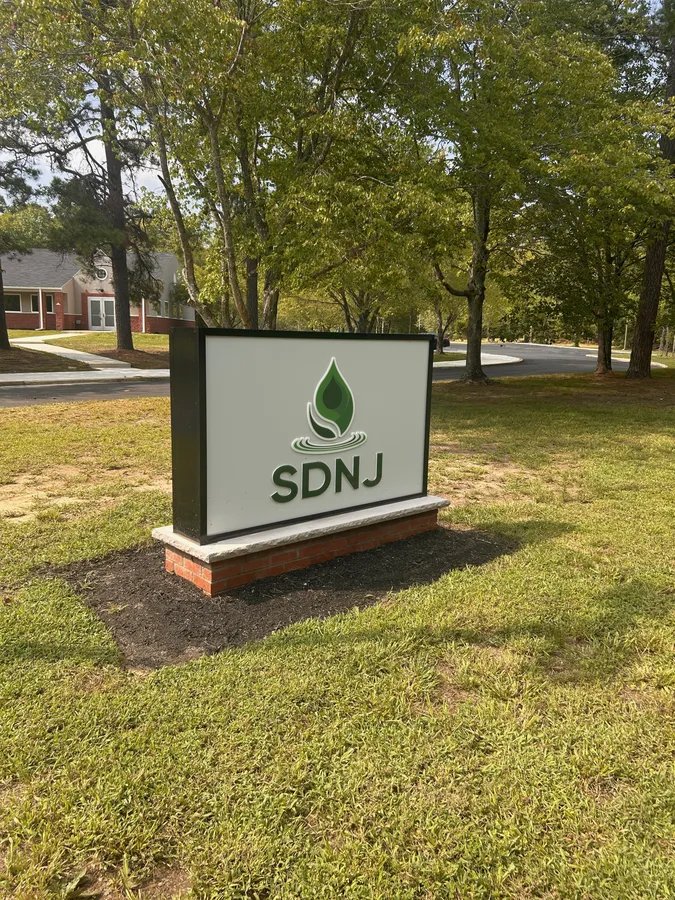
Still Detox New Jersey is a new build on 33 owned acres with 44 beds, 6 private bedrooms, marble bathrooms, a gym inside the detox unit and an outdoor adventure course.
Heroin Detox FAQ
How long does heroin detox take?
7 to 10 days on average, extending to 14 days for medically complex cases or fentanyl-laced supply exposure.
Is MAT available during heroin detox?
Yes. Buprenorphine/naloxone and naltrexone are prescribed on site throughout detox and residential treatment.
Does Still Detox NJ accept TRICARE?
TRICARE is in-network at the New Jersey facility. Commercial plans, union plans and DocPay are also accepted.
How common is heroin use in Atlantic City?
Heroin was the primary substance in 1,114 of 2,348 admissions in Atlantic City during 2024 per NJ DMHAS data.
What is the communication blackout?
A 72-hour blackout begins at admission. Clients do not keep phones, so residents focus on stabilization first. After the blackout, any approved contact is monitored by staff.
Does Still Detox treat fentanyl-laced heroin cases?
Yes. The medical team manages fentanyl exposure, xylazine complications and high-acuity conditions on site.
How far is Still Detox from Atlantic City?
Only 26 minutes west at 170 Route 50, Mays Landing, with direct access from the Atlantic City Expressway.
Start Heroin Recovery in Atlantic County
Call (609) 740-2100 to verify insurance and reserve a bed at Still Detox New Jersey. Admissions are accepted 24/7.
Medically reviewed by
Dr. Joseph Ordille, DO
Medical Director, Still Detox New Jersey
Dr. Joseph Ordille, DO, evaluates every client in person within 24 hours, sets taper schedules and approves high-acuity admissions. Meet the New Jersey clinical team.