


What Are Counterfeit Pills?
Counterfeit pills are unsafe, illegal drugs made to mimic genuine prescription medications such as Oxycodone, Xanax, Adderall, or Percocet. Though they may look identical to authentic pills, featuring the same color, shape, and imprints, these fakes are produced in unregulated, unsafe labs. In many cases, they contain lethal substances like fentanyl, a synthetic opioid up to 100 times stronger than morphine [4]. In 2024, the DEA seized over 60 million counterfeit pills laced with fentanyl, enough to kill millions of people [1]. Because they appear convincing, counterfeit pills often end up in the hands of unsuspecting individuals who think they are taking a legitimate prescription.
How to Identify Fake Pills and What Fentanyl-Laced Pills Look Like
Distinguishing counterfeit pills requires attention to specific red flags, since traffickers use high-quality pill presses to replicate authentic imprints and colors. Key warning signs include:
- Unusual pill colors or uneven, faded imprints.
- Crumbling or chalky texture when touched.
- Absence of legitimate pharmacy packaging or prescription labels.
- Pills acquired from non-pharmacy sources (social media, friends, online sellers).
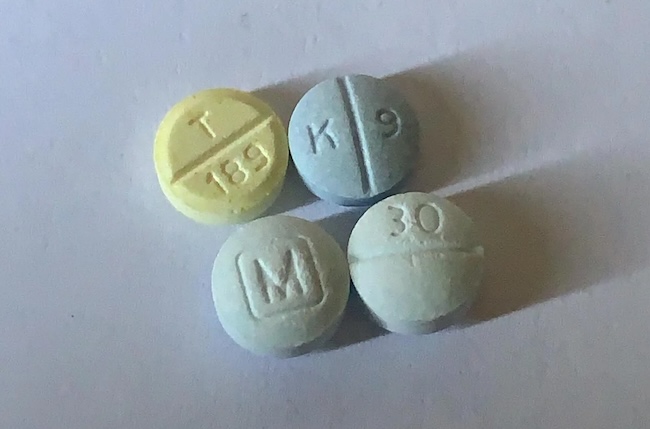
Many counterfeit pills imitate “M30” oxycodone tablets, appearing blue or light green with imprints like “M30,” “K8,” or “A215.” However, a normal appearance does not guarantee safety. In 2024, a DEA laboratory alert confirmed that 6 in 10 pills seized as “oxycodone” contained a lethal dose of fentanyl [3]. When in doubt, avoid consumption. If a pill did not come directly from a licensed pharmacy, there is no reliable way to confirm its authenticity.
Why Are Counterfeit Pills So Dangerous?
Counterfeit pills pose a grave threat because their ingredients and doses are unpredictable. Fentanyl, a synthetic opioid used medically for pain relief, has become the most common adulterant in fake pills. Just 2 milligrams of fentanyl, roughly the size of a few grains of salt, can cause a fatal overdose in an adult [4]. Since these pills are produced without any safety standards, one pill might contain an almost undetectable amount of fentanyl, while another from the same batch could contain a lethal dose.
This inconsistency makes every pill a gamble. According to the CDC, more than 70,000 people died from synthetic opioid overdoses in 2023 alone, many of those deaths resulted from unknowingly ingesting counterfeit pills [5]. Traffickers also add fentanyl analogs like para-fluorofentanyl, which can be 5 to 10 times stronger than fentanyl itself. These analogs further increase the risk of an unintentional overdose by delivering a deadly dose in even smaller quantities.
Symptoms of Fentanyl Overdose from Fake Pills
- Pinpoint pupils: Pupils shrink to tiny dots, even in low light.
- Slow, irregular, or no breathing: Breathing becomes shallow or stops.
- Loss of consciousness: The person may slump or become unresponsive.
- Blue or gray lips and fingernails: Lack of oxygen causes skin to turn bluish or grayish.
- Gurgling or choking sounds: Fluid buildup in the airway, known as the “death rattle.”
- Extreme drowsiness: The individual may be difficult to wake or appear profoundly sleepy.
These symptoms can appear within minutes of ingestion. If you observe any of these signs, call 911 immediately. Administer naloxone (Narcan) if available, because of fentanyl’s potency, multiple doses may be required. Even after naloxone reverses the overdose, the person still needs medical evaluation, as fentanyl’s effects can outlast the reversal.
Counterfeit Oxycodone Pills
Fake oxycodone pills; commonly called “Blues,” “M30s,” or “Roxies” are among the deadliest counterfeit medications. They imitate real Oxycodone 30 mg tablets, bearing the same blue color and “M30” imprint.[3].
Consumers assume they are taking a pain reliever, but instead face a high risk of immediate overdose. Because oxycodone is a regulated prescription, users may feel safer obtaining pills from non-pharmacy sources especially online or through friends when they cannot get a legitimate prescription. Unfortunately, this perceived safety is an illusion: a pill that looks identical to a prescription medication can deliver a lethal dose of fentanyl.
Street vendors and online sellers market these counterfeit pills to unsuspecting buyers, contributing to a surge in overdose deaths, particularly among young adults and chronic pain patients. Retail prices are lower than for legitimate oxycodone, further incentivizing risky purchases.
Fake Xanax with Fentanyl
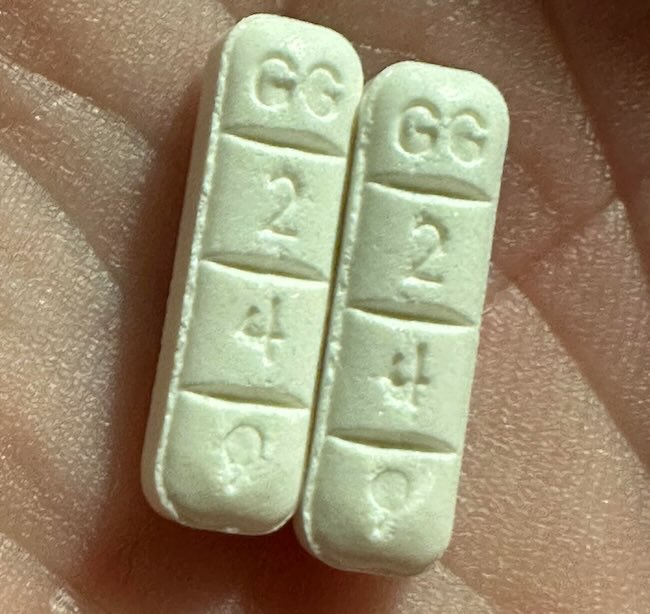
Xanax is a commonly prescribed benzodiazepine used to treat anxiety and panic disorders. Counterfeit Xanax bars, often referred to as “Zannies,” “Totem Poles,” or “Bars”, may look identical to the real medication but can be laced with fentanyl or other central nervous system depressants [9].
When combined with alcohol or other depressants, even a standard dose of Xanax can become lethal if counterfeit. The respiratory depression from fentanyl compounds the depressant effects of benzodiazepines, drastically increasing the risk of overdose. In 2024, toxicology reports showed a significant rise in fentanyl-related deaths involving pills believed to be Xanax, underscoring the urgent danger of these fakes.

Adderall Counterfeit Pills
Adderall, a stimulant prescribed for ADHD, has seen a surge in counterfeit replicas. These fake pills often mimic the red-and-white capsule design and carry the same imprint as authentic Adderall. Instead of containing amphetamine, many counterfeits include methamphetamine, fentanyl, or a dangerous mix of stimulants [6].
These pills are popular on college campuses, where students share medication for study purposes. In 2024, the DEA intercepted large shipments of fake Adderall sold through encrypted messaging apps. Users expecting increased focus and energy may experience severe side effects: rapid heartbeat, high blood pressure, hallucinations, seizures, or fatal overdose if fentanyl is present.
Where Do Counterfeit Pills Come From & How Are They Sold?
Most counterfeit pills sold in the United States originate from illegal labs in Mexico. Cartels operate pill presses that use chemical precursors sourced from China, producing large batches of identical-looking pills. These pills are then smuggled across the border in vehicles, mail, or hidden compartments, making their way to street dealers and online sellers.
Online distribution has become especially concerning. Sellers use platforms like Snapchat, Instagram, WhatsApp, and Telegram to reach buyers directly. They post images of pills alongside emojis or code words, such as a blue M&M to suggest M30 pills, making it difficult for law enforcement to track. In 2024, the DEA identified over 150 active accounts involved in pill trafficking, many targeting youth [7]. These transactions often involve untraceable payment methods like gift cards, cryptocurrency, or prepaid debit cards.
Because these exchanges happen through private messages and encrypted chats, tracking and shutting down operations is challenging. Buyers receive pills in unmarked envelopes or creative packaging designed to bypass postal inspections. Even if a package is intercepted, identifying its contents requires testing, and many pills slip through without detection.
How to Stay Safe: Testing, Naloxone & Talking to Kids
Fentanyl Test Strips
Fentanyl test strips (FTS) are one of the most reliable harm reduction tools available. To use them, crush a small portion of the pill into a fine powder, dissolve in water, then dip the strip. One line means fentanyl is present; two lines means negative. Although FTS cannot detect every fentanyl analog and may produce false negatives, they significantly reduce risk [8].
In 2025, the CDC recommended distributing test strips broadly through community health centers, needle exchanges, and mail-order services. Many states provide FTS free of charge through local health departments and pharmacies.
Naloxone (Narcan)
Naloxone is an opioid antagonist that reverses an opioid overdose by temporarily blocking opioid receptors. Available over the counter nationwide, the nasal spray form (Narcan) is easy for anyone to use. At least two doses are recommended to address fentanyl’s high potency.
Keep naloxone on hand if you or someone you know:
- Uses prescription opioids.
- Buys pills outside of a pharmacy.
- Is in an environment where counterfeit pills are common.
Administer naloxone immediately if you suspect an overdose, then call 911 and continue rescue breathing or CPR until help arrives.
Talking to Kids and Teens
Open, honest conversations with teenagers and young adults can prevent misuse. Focus on sharing:
- Real-life stories of counterfeit pill tragedies.
- Hard statistics: “In 2023, >70,000 died from synthetic opioids” [5].
- How social media can facilitate dangerous transactions.
Encourage them to ask questions and discuss peer pressure. Stress that taking any pill not prescribed by a doctor is risky. Provide resources such as school counselors or 24/7 hotlines for immediate support.
Safe Disposal of Suspicious Pills
Never flush pills down the toilet or throw them in the trash. Use medication take-back kiosks at pharmacies, hospitals, or police stations. DEA-sponsored collection events occur annually, check local schedules. Proper disposal prevents accidental ingestion by children or pets and reduces the chance counterfeit pills remain accessible.
Where to Get Help for Fentanyl Addiction or Overdose
Emergency Response
If you suspect someone has taken a counterfeit pill and is overdosing, do not hesitate: call 911 immediately. Administer naloxone if available and begin CPR or rescue breathing until emergency responders arrive. Good Samaritan laws in most states protect individuals who seek medical help during an overdose.
Addiction Treatment Resources
Fentanyl addiction is treatable with evidence-based approaches. Treatment options include:
- Medical Detox: Supervised withdrawal to manage symptoms safely.
- Medication-Assisted Treatment (MAT): Medications like methadone, buprenorphine, or naltrexone combined with counseling.
- Inpatient Rehabilitation: Structured environment offering round-the-clock care.
- Outpatient Programs: Regular counseling sessions while living at home.
- Peer Support Groups: Twelve-step or similar recovery meetings.
If you or a loved one needs help, contact:
- Still Detox Alcohol & Drug Rehab: (561) 556-2677
- SAMHSA’s National Helpline: 1-800-662-HELP (4357)
- Local community health centers and telehealth counseling services
Reaching out for help is the first step toward recovery and a safer future.
References
- DEA. “One Pill Can Kill.”
- DEA. “Fentanyl Facts.”
- DEA. “DEA Laboratory Alert.”
- CDC. “Fentanyl Overdose Deaths.”
- CDC. “Overdose Death Counts.”
- New York Times. “Fake Adderall on Campus.”
- DEA. “Street Report – May 2024.”
- CDC. “Fentanyl Test Strips.”
- Healthline. “Fentanyl Overdose Signs.”