


Hydrocodone addiction is a growing concern, turning a prescribed pain reliever into a life-altering dependency. As an opioid, hydrocodone can grip users through physical and psychological reliance, often starting with legitimate medical use. At Still Detox, a leading drug and alcohol rehab center in Boca Raton, Florida, we understand the struggle and offer compassionate, evidence-based treatment to break free. Whether you or a loved one faces hydrocodone abuse, our team is here to guide you toward recovery.
Contact us at (561) 556-2677 to start your journey today.
“Hydrocodone addiction is treatable, but early intervention is key to preventing lifelong consequences,” says Dr. Nora Volkow, Director of the National Institute on Drug Abuse.
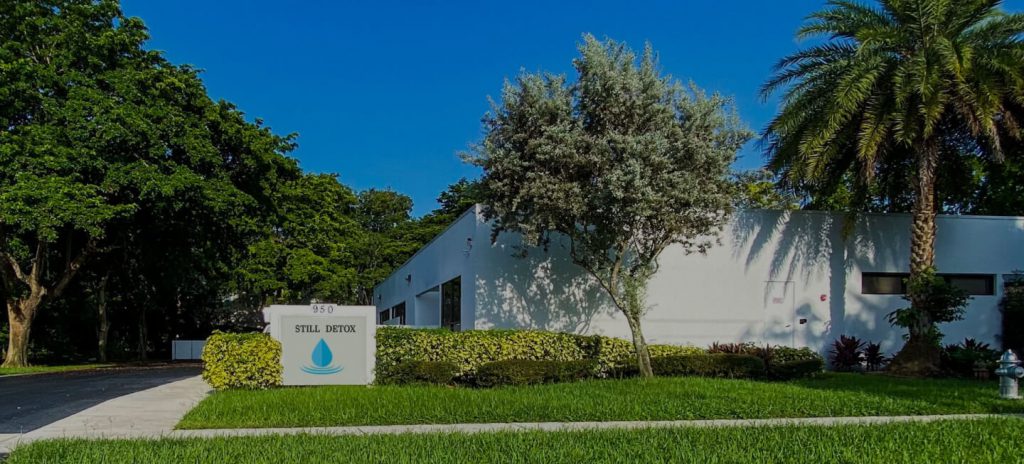
For hydrocodone addiction, our initial focus includes safe and comfortable withdrawal management under medical supervision. Following this crucial first step, we provide comprehensive therapy and ongoing support to build a lasting recovery. Begin your recovery journey in Boca Raton. Contact Still Detox today for specialized detox, therapy, and support.
Hydrocodone is a prescription opioid used to manage moderate to severe pain, often combined with acetaminophen (e.g., Vicodin, Norco). It binds to opioid receptors in the brain, reducing pain and producing euphoria, which fuels its addiction potential. A 2023 Journal of Pain Research study notes that hydrocodone’s widespread prescribing contributes to misuse, with 10% of users developing dependency. For example, someone prescribed hydrocodone after surgery might continue use for its calming effects, unaware of the growing reliance.
| Dosage (mg) | Shape | Color |
|---|---|---|
| 5/325 | Oval or Rectangular | White |
| 7.5/325 | Oval or Rectangular | White or Orange |
| 10/325 | Oval or Rectangular | White or Yellow |
| 7.5/500 | Oval or Rectangular | White |
| 10/500 | Oval or Rectangular | White |
At Still Detox, the hydrocodone addiction and detox process is customized for each individual. This program includes personalized medical care and evidence-based withdrawal treatments for hydrocodone.
Following detox, the comprehensive addiction recovery program offers individual and group counseling, relapse prevention strategies, and continuous support throughout the recovery journey.
Hydrocodone abuse manifests in distinct ways, per a 2024 Journal of Substance Abuse Treatment study.
Recognizing these signs helps identify addiction early.
Users may experience drowsiness, constipation, or slowed breathing. Chronic use can lead to weight loss or coordination issues. For example, someone addicted might nod off during conversations, unaware of their declining health.
Addiction drives secretive behavior, like hiding pills or doctor-shopping for prescriptions. A person might neglect work or steal to obtain hydrocodone, prioritizing the drug over responsibilities.
Anxiety, mood swings, or depression often emerge. A user might feel irritable without hydrocodone, consumed by thoughts of the next dose, signaling deep psychological reliance.
Knowing how long hydrocodone stays in your system is crucial for managing recovery, drug testing, or understanding addiction’s impact. Hydrocodone and its metabolites are detectable in various bodily fluids and tissues, with detection times varying by test type, dosage, and individual factors like metabolism. A 2023 Journal of Analytical Toxicology study provides precise detection windows, helping users navigate treatment or legal concerns. At Still Detox in Boca Raton, Florida, we support your recovery from hydrocodone addiction with tailored programs. Call (561) 556-2677 for guidance.
| Test Type | Detection Window | Common Uses |
|---|---|---|
| Urine | 2–4 days | Workplace testing, addiction treatment monitoring |
| Blood | 12–24 hours | Medical assessments, legal investigations |
| Saliva | 12–36 hours | Roadside testing, immediate use detection |
| Hair | Up to 90 days | Long-term use assessment, chronic addiction monitoring |
Note: Detection times vary based on dosage, frequency of use, metabolism, and individual factors. Consult a healthcare provider or Still Detox for personalized advice on hydrocodone detection time and recovery.
Our addiction treatment programs are based on the latest scientific research and delivered by experienced clinicians.
Hydrocodone is a powerful opioid that alters how your brain and body perceive pain, offering relief but also posing significant risks. It binds to opioid receptors in the brain and spinal cord, blocking pain signals while triggering a release of dopamine, which creates feelings of euphoria. This dual action makes hydrocodone effective for managing moderate to severe pain, such as after surgery or injury, but also highly addictive, per a 2023 Journal of Pain Research study.
When taken as prescribed, hydrocodone can provide calm and comfort, allowing someone with chronic pain to function better. However, even short-term use can lead to tolerance, where higher doses are needed for the same effect, increasing the risk of hydrocodone addiction. For example, a patient using hydrocodone for back pain might start taking extra pills to chase the initial relief, unaware of the growing dependency.
Hydrocodone effects extend beyond pain relief and euphoria. Common side effects include drowsiness, constipation, and nausea, which can disrupt daily life. More severe risks, like slowed breathing (respiratory depression), can be life-threatening, especially at high doses or when combined with alcohol or other sedatives. A person might feel foggy or sluggish, struggling to focus at work, yet feel compelled to continue using the drug.
The psychological pull of hydrocodone is particularly dangerous. The euphoria can temporarily mask stress or emotional pain, leading some to misuse it as a coping mechanism. This cycle often spirals into addiction, where stopping feels impossible due to withdrawal fears.
Mixing hydrocodone with certain substances can amplify its risks, leading to severe health complications or overdose, a critical concern in hydrocodone addiction. Substances like alcohol or benzodiazepines can dangerously enhance hydrocodone’s sedative effects, increasing the likelihood of life-threatening outcomes. A 2023 Journal of Addiction Medicine study highlights these interactions as a major factor in opioid-related emergencies. At Still Detox in Boca Raton, Florida, we provide comprehensive care to address hydrocodone drug interactions and support recovery. Call (561) 556-2677 for help.
| Substance Mixed with Hydrocodone | Potential Effects |
|---|---|
| Alcohol | Heightened respiratory depression, severe drowsiness, increased overdose risk |
| Benzodiazepines | Profound sedation, respiratory failure, elevated overdose risk |
| Other Opioids | Extreme sedation, increased likelihood of fatal overdose |
| Stimulants (e.g., cocaine) | Cardiac stress, unpredictable interactions, higher overdose risk |
| Antidepressants | Risk of serotonin syndrome, enhanced sedation |
| Muscle Relaxants | Intensified sedation, respiratory distress, greater overdose risk |
Note: Effects vary based on dosage, frequency, and individual factors. Consult a healthcare provider or Still Detox to address concerns about hydrocodone addiction risks and drug interactions.
Signs include drowsiness, secretive behavior, and mood swings. Physical, behavioral, and psychological changes signal dependency, per 2024 research.
Withdrawal starts 6–12 hours after the last dose, peaking at 2–3 days, and lasts 5–10 days, with medical detox easing symptoms.
Treatments include medical detox, CBT, DBT, holistic care, and aftercare, tailored to individual needs at Still Detox.
Hydrocodone addiction remains a critical public health issue, with millions affected by its misuse. These statistics highlight the scope of the problem and its impact, underscoring the need for awareness and treatment. Still Detox in Boca Raton, Florida, offers support for those struggling—call (561) 556-2677.
In 2023, the National Survey on Drug Use and Health (NSDUH) reported that approximately 4.8 million people aged 12 or older misused hydrocodone products in the past year, making it one of the most commonly abused prescription opioids. This widespread misuse fuels hydrocodone addiction across diverse populations. Education and early intervention are key to reducing these numbers.
The CDC noted that in 2022, natural and semisynthetic opioids, including hydrocodone, were involved in about 14,716 overdose deaths, a decline from 16,416 in 2020. These deaths often involve polysubstance use, complicating hydrocodone overdose risks. Precise hydrocodone-only death data remains limited due to overlapping opioid categories.
In 2022, the CDC reported approximately 35.7 opioid prescriptions per 100 people in the U.S., with hydrocodone among the most prescribed. High prescription rates contribute to hydrocodone misuse, particularly in regions with less oversight. This trend has slightly declined since its 2012 peak.
NSDUH data from 2023 indicates that about 90,000 people who misused hydrocodone later initiated heroin use, as prescription access tightened. This transition highlights hydrocodone’s role as a gateway to illicit opioids. Addressing misuse early can prevent this dangerous progression.
Accreditations & Memberships


We understand that there are no shortcuts on the path to recovery, and our compassionate team offers unwavering support and intensive care throughout your healing journey.
Still Detox is a member of Still Behavioral Health Group.
Get Help Now
If you or someone you care about is seeking support for substance abuse and addiction challenges, we are here to offer our assistance. This is where your journey towards healing begins.
© 2026 | Still Detox Drug and Alcohol Treatment Center in Florida
950 NW 9th CT, Boca Raton, FL 33486
We will get in touch with you shortly.