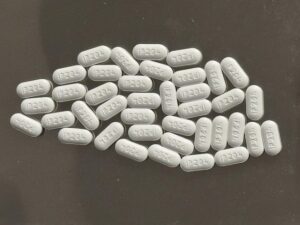
Percocet addiction is a growing public health concern in the United States, driven by the misuse of this potent prescription painkiller. Percocet, a combination of oxycodone (an opioid) and acetaminophen, is prescribed for moderate to severe pain but carries a high risk of dependence and abuse.
According to the Substance Abuse and Mental Health Services Administration (SAMHSA), 2.5 million people misused oxycodone-based drugs like Percocet in 2022, accounting for 30.7% of prescription painkiller abuse.
At Still Detox we want to inform you about what Percocet addiction is, the most abused forms, street names, effects on the body, signs of addiction, withdrawal symptoms, and treatment options to help you or a loved one navigate this serious issue.
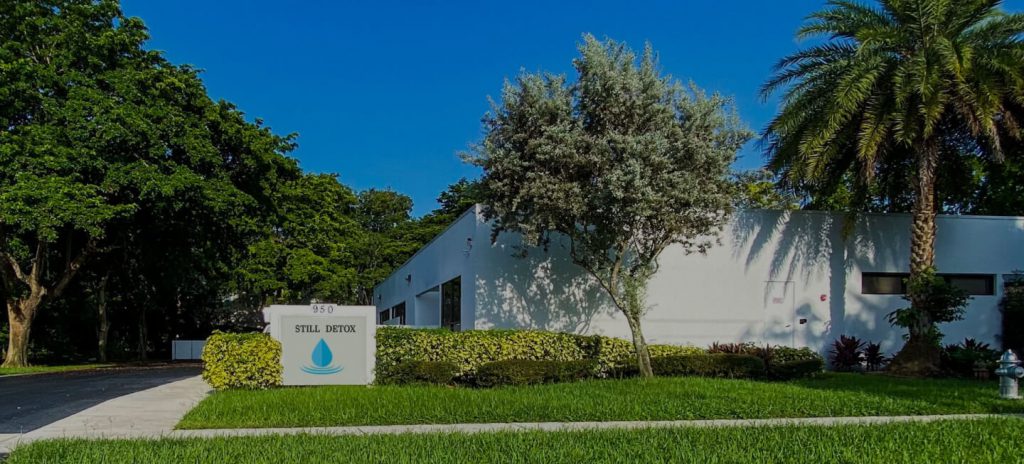
At Still Detox Luxury Rehab in Boca Raton, Florida, we believe that inpatient treatment is critical for successful Percocet addiction treatment, detox and recovery. Our facility provides a safe and supportive environment for individuals to undergo the withdrawal process, with a focus on comprehensive and personalized care.
Percocet addiction, classified as an opioid use disorder (OUD), is the compulsive use of Percocet despite harmful consequences. It involves psychological dependence (cravings and drug-seeking behavior) and physical dependence (the body requiring the drug to function normally).
The National Institute on Drug Abuse (NIDA) reports that approximately 0.37% of U.S. adults are affected by OUD, with Percocet being a significant contributor due to its euphoric effects. Addiction can develop from prescribed use, recreational misuse, or self-medication for physical or emotional pain.
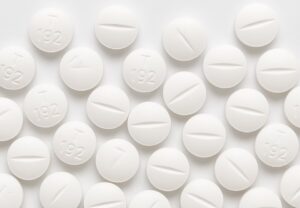
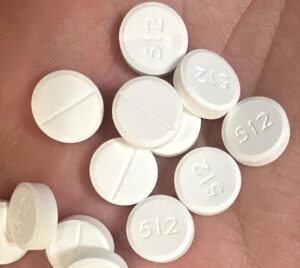
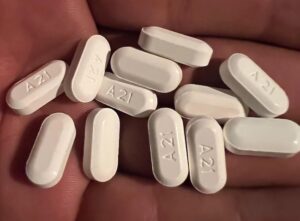
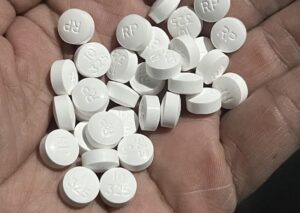
Percocet is a brand-name medication, but its active ingredient, oxycodone, appears in multiple formulations—many of which are commonly misused. The most frequently abused oxycodone-based drugs in the U.S. include:
According to the Centers for Disease Control and Prevention (CDC), oxycodone-based drugs are among the most prescribed opioids, which contributes to their widespread misuse. The 2016 National Survey on Drug Use and Health (NSDUH) reported that 3.7 million people misused oxycodone products in a single year.
Percocet is often sold illegally under various street names. Recognizing these terms may help identify signs of misuse or drug-related discussions, especially among teens and online communities. Common street names include:
According to the National Institute on Drug Abuse (NIDA), staying informed about slang names can support early detection of illegal drug use and promote intervention.
At Still Detox, Percocet addiction and detox process is customized for each individual. This program includes personalized medical care and evidence-based withdrawal treatments for Percocet.
Following detox, the comprehensive addiction recovery program offers individual and group counseling, relapse prevention strategies, and continuous support throughout the recovery journey.
Percocet’s oxycodone component binds to opioid receptors in the brain, reducing pain and producing euphoria, while acetaminophen enhances pain relief. When used as prescribed, it can be effective, but misuse leads to severe short- and long-term effects.
Recognizing Percocet addiction early can prevent severe consequences. The Mayo Clinic outlines key signs of opioid use disorder, including:
According to the DSM-5, experiencing two or more of these signs within a 12-month period may indicate an opioid use disorder.
“Perk” is a street term for Percocet, a prescription medication that combines oxycodone (a powerful opioid) with acetaminophen (a common pain reliever). While prescribed for moderate to severe pain, it is often misused for its euphoric effects. Abuse of perk drugs can lead to dependence, addiction, liver damage, or even fatal overdose, especially when taken in high doses or combined with other substances.
Stopping Percocet after dependence can trigger withdrawal symptoms, which typically begin 8–36 hours after the last dose and peak within 5–7 days. The MedlinePlus lists common withdrawal symptoms:
While rarely life-threatening, withdrawal is intensely uncomfortable and increases the risk of relapse. Medically supervised detox — often using medications like buprenorphine or methadone — can ease symptoms and improve safety.
| Time Frame | Common Symptoms |
|---|---|
| 8–36 Hours | Onset of cravings, anxiety, irritability, sweating, yawning, and runny nose |
| Day 2–3 | Muscle aches, nausea, vomiting, diarrhea, insomnia, and goosebumps |
| Day 4–7 | Peak symptoms: fatigue, mood swings, chills, cramps, and strong cravings |
| 1–2 Weeks | Emotional symptoms may linger: depression, anxiety, low motivation |
Several factors contribute to Percocet addiction, as outlined by the American Psychological Association (APA):

At Still Detox, the cocaine detoxification process is tailored to meet each person’s unique needs. This detoxification program includes personalized medical care and evidence-based Percocet withdrawal treatment.
Gain a deeper understanding of Percocet addiction and its effects by exploring informative posts from our addiction treatment facility. We provide factual insights to help you recognize the realities of Percocet use and the importance of seeking support.
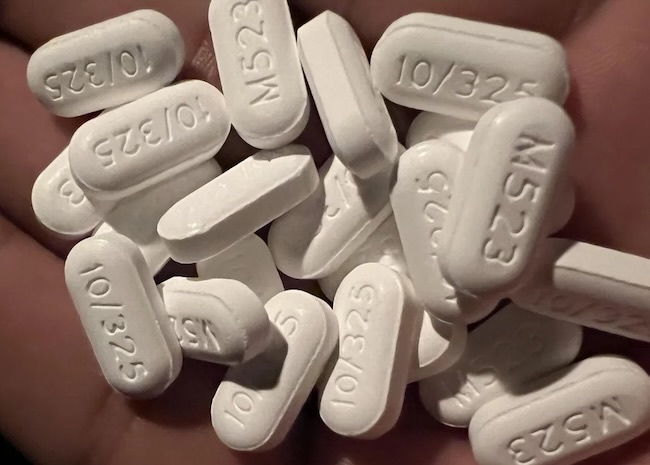
The M523 pill, typically white and oval-shaped with “M523” on one side and scored on the other, contains oxycodone 10 mg and acetaminophen 325 mg. Due to its high potency and recognizable imprint, M523 is frequently sought after for nonmedical use and has become a known target for counterfeit production. Illicit versions may be laced with dangerous substances like fentanyl, posing a serious overdose risk. Visually identical fakes are widespread, so pills should only be taken if dispensed by a licensed pharmacy.
Percocet overdose is a medical emergency, often caused by respiratory depression from oxycodone or liver failure from acetaminophen. Recognizing early signs can be life-saving. Common symptoms include:
According to the Centers for Disease Control and Prevention (CDC), over 47,000 people died from opioid overdoses in 2017, with synthetic opioids like oxycodone playing a significant role.
Effective treatment for Percocet addiction combines medical and behavioral interventions. The National Institute on Drug Abuse (NIDA) recommends the following approaches:
For support, contact Still Detox today to speak with an admissions specialist. We’re here to guide you or your loved one toward safe, compassionate recovery.
At Still Detox Luxury Rehab in Boca Raton, Florida, our dedicated team of experienced therapists and medical professionals is available 24/7 via our helpline to provide expert clinical support and guidance for individuals seeking help with Percocet addiction. Taking the first step is crucial; call Still Detox today to begin your personalized journey toward lasting sobriety.
Accreditations & Memberships


We understand that there are no shortcuts on the path to recovery, and our compassionate team offers unwavering support and intensive care throughout your healing journey.
Still Detox is a member of Still Behavioral Health Group.
Get Help Now
If you or someone you care about is seeking support for substance abuse and addiction challenges, we are here to offer our assistance. This is where your journey towards healing begins.
© 2026 | Still Detox Drug and Alcohol Treatment Center in Florida
950 NW 9th CT, Boca Raton, FL 33486
We will get in touch with you shortly.