

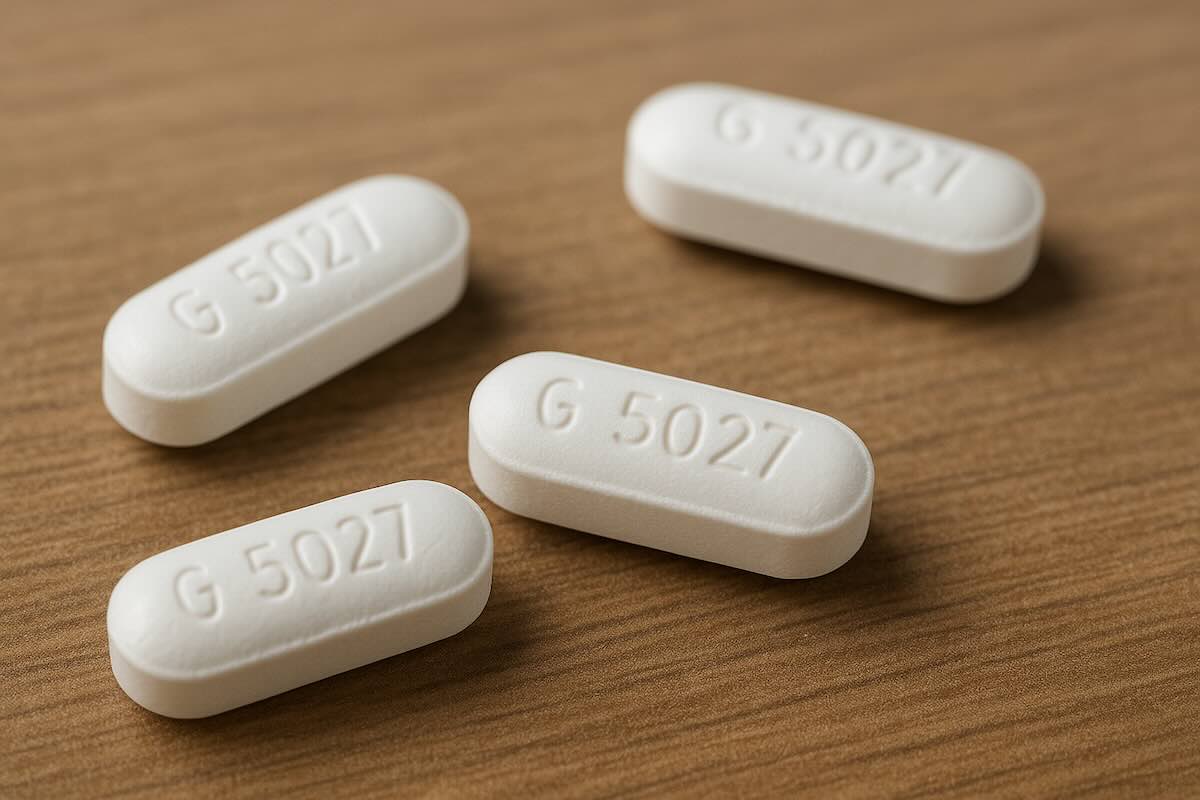
Gabapentin is a widely used anticonvulsant and nerve pain medication, but its use can come with a range of side effects of gabapentin. Gabapentin, commonly prescribed under brand names like Neurontin or Gralise, is a widely used anticonvulsant and nerve pain medication.
Originally developed for seizure disorders, its use has expanded to include treatment for postherpetic neuralgia, fibromyalgia, generalized anxiety disorder, and off-label applications such as insomnia and migraines. While gabapentin is not classified as a controlled substance in many states, its side effect profile has raised concern among clinicians, especially as its misuse has grown in combination with opioids and other central nervous system depressants.
Unlike stimulants or opioids, gabapentin doesn’t produce a euphoric high in most patients. However, it affects the brain by modulating calcium channels that influence nerve excitability. This neurochemical shift can cause a variety of reactions, particularly during the initial dosing period or with dosage increases. According to a 2020 review in Substance Abuse: Research and Treatment, the most commonly reported side effects are dizziness, fatigue, blurred vision, and memory issues. These typically emerge within the first week of treatment and may fade as tolerance builds.
Gabapentin and Mental Function
In clinical settings, patients sometimes report brain fog, attention difficulties, and coordination problems. A 2023 update by StatPearls emphasized gabapentin’s potential to impair motor skills, which is why physicians often caution against driving or operating machinery until the patient’s reaction to the drug is known. These cognitive effects are generally dose-dependent and can intensify with prolonged use.
Can Gabapentin Cause Mood Changes?
While gabapentin is sometimes used to stabilize mood, particularly in anxiety disorders, it can paradoxically lead to emotional blunting, irritability, or depressive symptoms. A 2021 publication in Current Medical Research documented an increased risk of suicidal thoughts in certain individuals, particularly adolescents and young adults. Although this risk is relatively low, it’s enough that the FDA mandates black box warnings on medications in this class. Regular monitoring by a qualified provider is critical, especially during the early phases of treatment or dose changes.
Physical Reactions: What to Expect
Beyond neurological effects, gabapentin may cause gastrointestinal discomfort, including nausea, bloating, and constipation. Some patients develop swelling in the hands and feet (peripheral edema), particularly at higher doses above 1800 mg/day. Sudden weight gain is occasionally reported and may be connected to fluid retention or metabolic shifts. Though rare, allergic reactions such as rashes or respiratory difficulty require immediate medical attention.
What Happens if You Mix Gabapentin With Other Drugs?
Gabapentin is sometimes taken alongside opioids, alcohol, or benzodiazepines, often unintentionally increasing sedation. According to a 2020 CDC report, nearly 10% of opioid overdose deaths involved gabapentin. While gabapentin alone does not cause respiratory suppression, when combined with other depressants, the risks escalate sharply. Patients in dual-diagnosis treatment should be especially cautious. Our prescription drug detox programs include gabapentin-specific protocols to reduce complications during withdrawal and recovery.
Side Effects of Gabapetin Addiction and Withdrawal
Gabapentin is not typically addictive in the traditional sense, but dependence can develop after long-term use. Abrupt discontinuation can cause withdrawal symptoms, including insomnia, nausea, anxiety, restlessness, and in some cases, seizures.
These effects are more likely in patients using over 2400 mg per day or those with pre-existing mood disorders. A 2014 study in Journal of Clinical Psychopharmacology observed that a slow taper, typically reducing the dose by 300 mg every 4 – 7 days, can effectively prevent withdrawal syndrome in most cases.
What Should You Watch Out For?
If you’re using gabapentin and experience severe mood swings, suicidal thoughts, chest pain, vision loss, or swelling of the face and throat, seek emergency care. For milder side effects like dizziness or fatigue, dosage adjustments may help. At Still Detox, we assess each patient’s prescription history to create safe tapering strategies and support long-term recovery.
Gabapentin addiction, while often overlooked, is real, and so is the path to healing.
Frequently Asked Questions
What are the common side effects of gabapentin?
Dizziness, fatigue, blurred vision, memory issues, and sometimes nausea, bloating, constipation, peripheral edema, and weight gain. Rare allergic reactions require urgent care.
How does gabapentin affect mental function?
It can cause brain fog, attention and coordination problems, and may impair motor skills—patients are often advised not to drive or operate machinery until they know their response.
Can gabapentin cause mood changes?
Yes. It can lead to emotional blunting, irritability, or depressive symptoms, and in rare cases increase suicidal thoughts—especially in adolescents and young adults. Close monitoring is recommended.
What happens if you mix gabapentin with other drugs?
Combining with opioids, alcohol, or benzodiazepines can markedly increase sedation and risk. While gabapentin alone does not suppress breathing, co-use with other depressants raises danger significantly.
Is gabapentin addictive and what about withdrawal?
It is not typically addictive in the classic sense, but dependence can develop. Abrupt discontinuation may cause insomnia, nausea, anxiety, restlessness, and rarely seizures; slow tapering is advised.
When should I seek medical help?
Seek emergency care for severe mood changes or suicidal thoughts, chest pain, vision loss, or swelling of the face or throat. Talk to a clinician about dosage adjustments for milder effects like dizziness.
Related Reading
References
- Smith et al., Gabapentin and Opioids: A Dangerous Combination. 2021.
- StatPearls. Gabapentin. Updated 2023.
- Brown et al., CNS Effects of Gabapentin. 2021.
- CDC. Trends in Gabapentin-Related Overdose Deaths. 2020.
- Goodman et al., Gabapentin Withdrawal Case Studies. 2014.
- FDA. Neurontin Prescribing Information.