

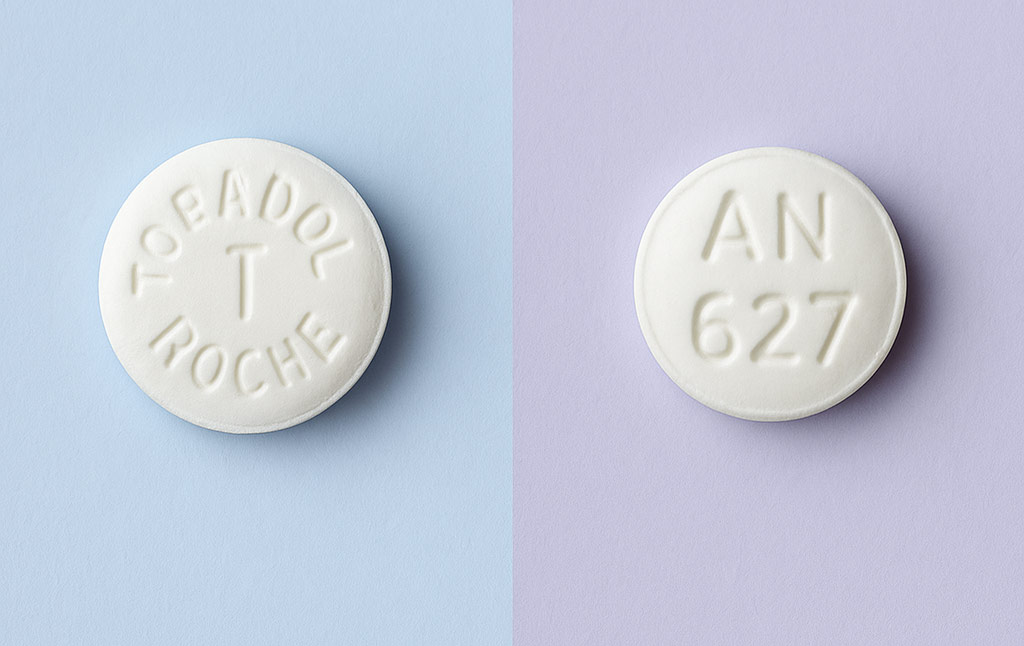
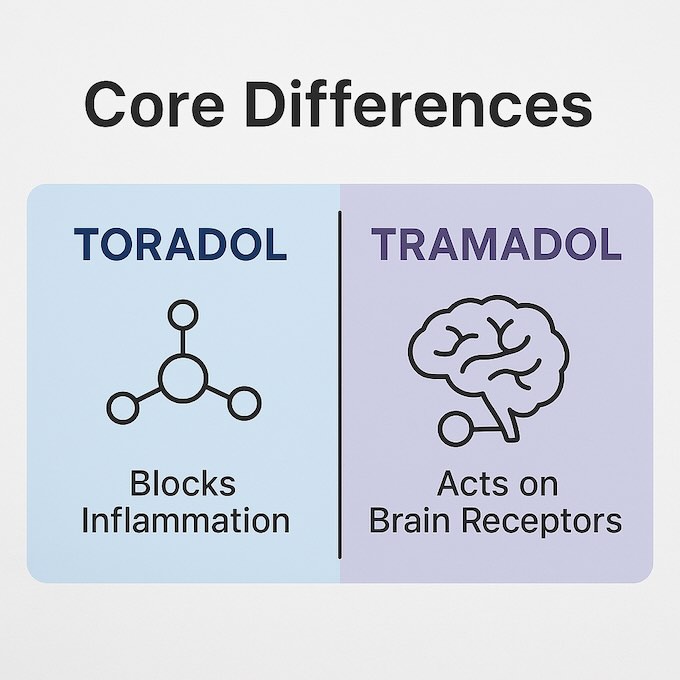
Toradol and tramadol are prescription pain relievers with distinct mechanisms and profiles. Toradol, a nonsteroidal anti-inflammatory drug (NSAID), reduces pain and inflammation by blocking prostaglandin production, as explained by the Mayo Clinic. In contrast, tramadol, classified as a Schedule IV opioid by the DEA, alleviates pain by binding to opioid receptors and modulating serotonin and norepinephrine levels, according to the FDA. Dr. Nora Volkow, NIDA Director, noted in a 2023 Healthline interview, “Toradol targets the source of inflammation, while tramadol alters pain perception.” These differences significantly influence their clinical use and associated risks, making informed decision-making essential.
Pain Management: Conditions and Effectiveness
Toradol is designed for short-term management of acute pain, such as post-surgical discomfort or kidney stones, with a strict five-day usage limit due to safety concerns, as outlined in FDA guidelines. Tramadol, however, is used for moderate to severe pain, both acute and chronic, including conditions like arthritis or neuropathy, according to the NIH. Dr. John Krystal, a Yale psychiatrist, stated in a 2022 STAT article, “Toradol is highly effective for inflammation-driven pain, while tramadol’s versatility suits a broader range of cases.” Toradol takes effect within 30 minutes orally, while tramadol acts within an hour, with both peaking at 2-3 hours, per clinical pharmacology data. The effectiveness of each drug depends on the pain type, with studies favoring Toradol for inflammatory conditions and tramadol for its broader applicability.
Toradol vs Tramadol Side Effects: Comparing the Risks
Toradol’s side effects include gastrointestinal irritation, kidney strain, and increased bleeding risks, particularly with prolonged use, as cautioned by the Mayo Clinic. Tramadol may cause dizziness, nausea, and a 5-10% risk of seizures at high doses, according to FDA data. Its opioid nature also introduces a risk of dependence. Dr. George Koob, NIAAA Director, warned in a 2022 TIME article, “Tramadol’s side effects can escalate with prolonged use.” While Toradol avoids addiction risks, it is unsafe for long-term use, whereas tramadol’s risks increase with chronic use, necessitating careful monitoring for physical harm with Toradol and neurological or dependency issues with tramadol.
Addiction Concerns: How They Differ
Toradol, as an NSAID, has no addiction potential, and its short-term use minimizes misuse risks, according to the FDA. Conversely, tramadol, a controlled opioid, carries a moderate risk of dependence, with the DEA noting misuse in a small percentage of users annually. Dr. Nora Volkow explained in a Healthline interview, “Opioids like tramadol can lead to subtle reliance.” Tramadol withdrawal symptoms, such as nausea and anxiety, require gradual tapering, unlike Toradol, which can be discontinued without such effects. Addiction treatment experts often manage tramadol cases with structured support, while Toradol transitions are straightforward due to its non-addictive nature.
Which One Is More Addictive? A Clear Contrast
The addiction potential sharply distinguishes Toradol from tramadol. As an NSAID, Toradol has no addictive properties, and its maximum five-day use eliminates dependence risks, per FDA labeling. Tramadol, a controlled opioid, poses a moderate addiction risk, with the DEA reporting misuse in a small percentage of users yearly. Withdrawal symptoms, such as anxiety or sweating, necessitate tapering. Dr. Nora Volkow noted in Healthline, “Tramadol’s opioid effects can foster reliance, unlike Toradol.” A 2021 Journal of Addiction Medicine study found tramadol’s dependence risk increases with doses above 200 mg/day or use beyond three months. Addiction treatment for tramadol often requires structured support, while Toradol users face no such concerns.
Toradol vs Tramadol Dosage and Administration: Practical Use
Toradol is typically administered via intravenous (IV) or intramuscular (IM) injections (15-60 mg) in medical settings, transitioning to oral doses (10 mg every 4-6 hours, maximum 40 mg/day), as per FDA labeling. Tramadol is available in immediate-release oral forms (50-100 mg every 4-6 hours, maximum 400 mg/day) or extended-release forms (100-300 mg daily), according to NIH guidelines. Dr. John Krystal emphasized in STAT, “Precision in dosing prevents complications.” Toradol is ideal for acute pain transitions from hospital to home, while tramadol’s flexibility suits outpatient chronic pain management. Tramadol’s opioid status often requires gradual tapering to avoid withdrawal, unlike Toradol, which can be stopped abruptly after five days.
Which Is More Effective? Evidence and Context
Research indicates that Toradol excels in managing inflammatory pain, such as post-dental surgery, according to a 2021 Journal of Oral and Maxillofacial Surgery study, while tramadol is more effective for chronic or nerve-related pain, per a 2020 Pain Medicine review. Dr. George Koob noted in TIME, “Effectiveness depends on the pain’s underlying cause.” Toradol provides rapid relief for acute inflammatory conditions, while tramadol’s sustained action benefits a wider range of conditions. In some cases, sequential use, Toradol for short-term relief followed by tramadol can optimize outcomes, but medical supervision is critical due to tramadol’s risks.
Managing Use Safely: Expert Insights
Safe use of these medications requires careful oversight. For Toradol, monitoring for gastrointestinal and kidney effects is essential, with hydration and limited use recommended, per Mayo Clinic advice. Tramadol use demands vigilance for dependence, with Cognitive Behavioral Therapy (CBT) and tapering helping to mitigate risks, according to SAMHSA. Dr. Nora Volkow stated in Healthline, “Tailored plans prevent harm.” Tramadol users may benefit from aftercare, such as support groups, while Toradol users can transition to alternatives like ibuprofen after five days. Consulting a healthcare provider ensures the appropriate choice; Toradol for rapid relief or tramadol with cautious management.
Making the Choice: Toradol or Tramadol?
Toradol is best suited for short-term, inflammation-related pain with no addiction risk, while tramadol is appropriate for chronic or nerve pain but requires careful management due to its dependence potential. Dr. John Krystal advised in STAT, “Match the medication to the patient’s specific needs.” Patients should consult their doctor to evaluate pain type, duration, and risk tolerance to ensure both safety and efficacy. For assistance, contact (561) 556-2677.