
When people talk about bath salts as drugs, they are not referring to the scented crystals you soak in a bathtub. The term is street slang for a class of lab-made stimulant drugs called synthetic cathinones and they are far more dangerous than most people realize. These substances can cause severe psychosis, life-threatening overdoses, and in documented cases, sudden death. If you or someone you care about has encountered these drugs, understanding the facts can make the difference between getting help in time and facing a medical emergency.
Key facts about bath salts
- Synthetic cathinones, not cosmetics: Bath salts are powerful lab-made stimulants, often containing MDPV, mephedrone, or methylone, some far more potent than cocaine or methamphetamine.
- MDPV is the most common culprit in U.S. overdoses: Of all synthetic cathinones detected in emergency room patients across the United States, MDPV appears most frequently, making it the primary public health threat from bath salts in America.
- Deceptive packaging to evade the law: Products are sold in small packets labeled “bath salts,” “plant food,” or “glass cleaner” with disclaimers saying “not for human consumption” tactics designed to bypass regulations.
- Unpredictable, dangerous doses: Because these drugs are made illegally and formulations vary wildly, users often have no idea what chemical or how much of it they are taking, dramatically increasing overdose risk.
- Routes of use vary: People may swallow, snort, smoke, or inject bath salts; injection and snorting carry the fastest onset and highest risk of severe complications.
- Short-term effects can be catastrophic: Even a single use can trigger racing heart, extreme paranoia, violent hallucinations, hyperthermia (dangerously high body temperature), seizures, and cardiac arrest.
- Excited delirium and sudden death: Bath salts have been linked to “excited delirium syndrome” a medical emergency marked by superhuman strength, aggression, self-injury, and in some cases, fatal cardiac or cerebral events.
- Highly addictive with severe withdrawal: Bath salts trigger dopamine surges similar to cocaine, creating strong psychological and physical dependence; withdrawal brings depression, paranoia, insomnia, and intense cravings that can last weeks.
- Long-term psychiatric damage: Chronic users may develop lasting mental health problems including psychosis, anxiety, suicidal thoughts, and memory loss, even after stopping the drug.
- Legal but dangerous alternatives keep emerging: As individual synthetic cathinones are banned (Schedule I in the U.S.), manufacturers tweak the chemical structure slightly, creating new, technically unscheduled compounds that are just as risky.
What bath salts actually are
In a drug context, “bath salts” refers to synthetic cathinones, human-made stimulants chemically related to cathinone, which is found naturally in the khat plant. The main synthetic cathinones appearing in overdose cases and emergency rooms across the United States are MDPV (3,4-methylenedioxypyrovalerone), mephedrone, and methylone.
These drugs were originally synthesized in laboratories by chemists seeking new psychoactive compounds. Once they hit the black market in the late 2000s and early 2010s, they spread rapidly because they were cheap, readily available online, and perceived (incorrectly) as legal or safer than street drugs. MDPV became the dominant synthetic cathinone in the U.S. market, whereas mephedrone dominated Europe, a distinction that matters because MDPV appears to carry higher overdose risk.
What makes bath salts especially dangerous is that they are often sold as poorly labeled or mislabeled mixtures. A packet labeled “bath salts” might contain one synthetic cathinone, a blend of several, or dangerous adulterants. Users typically do not know the chemical identity or the dose, making every use a game of pharmaceutical roulette.
How people use bath salts
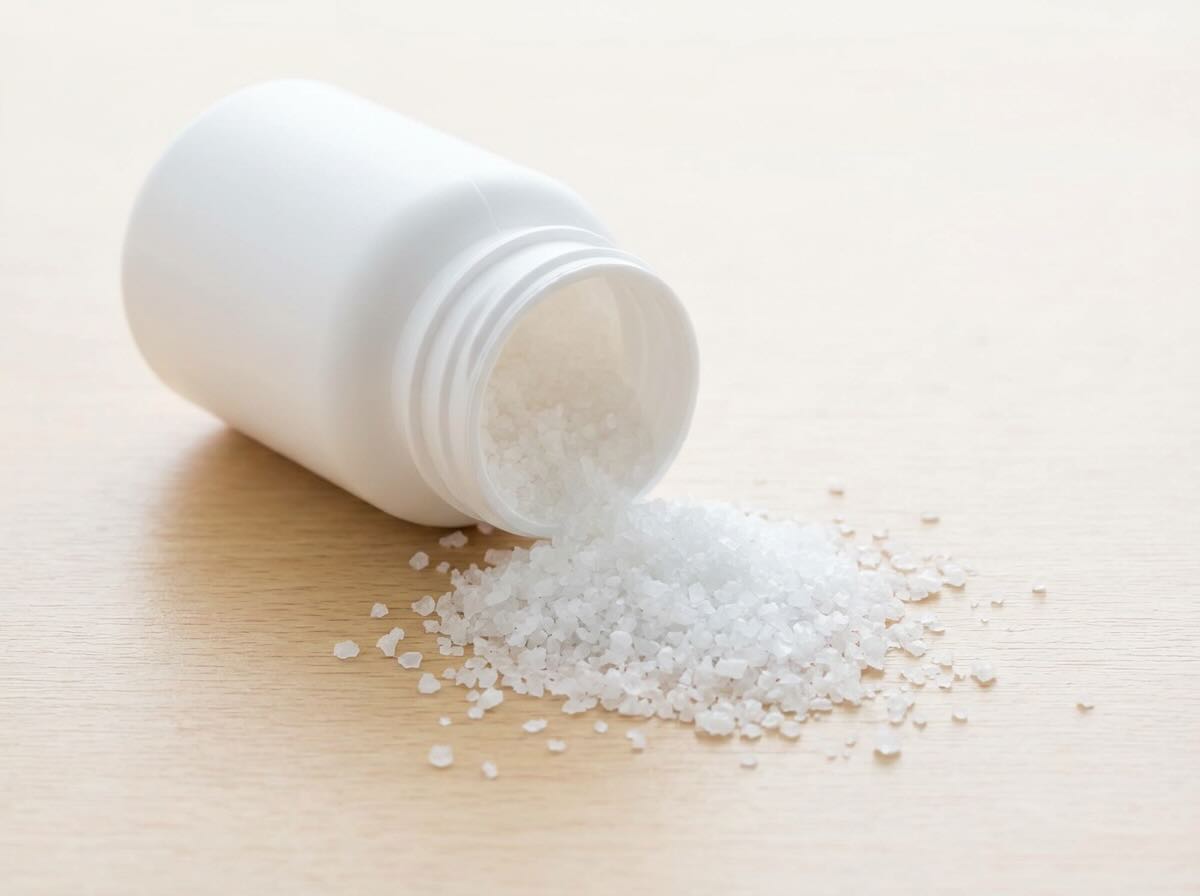
Bath salts typically arrive as white, brown, or tan crystalline powders in small foil or plastic packets, often branded with names like “Ivory Wave,” “Cloud Nine,” “Vanilla Sky,” or “Purple Wave.” Users may swallow them, snort them, smoke them, or inject them, and the route of administration dramatically affects both the intensity and the danger.
Snorting and injecting produce the fastest, most intense rush, which is why they are the most common routes among heavy users but they also carry the highest risk of immediate overdose, cardiac events, and psychotic episodes. Repeated dosing or “binges” are common because the crash comes quickly, and users try to sustain the high by taking more and more, sometimes consuming 5 grams or more per session depending on the route and the specific drug in the mixture.
The immediate dangers: what happens when someone takes bath salts
The short-term effects of bath salts are where the real alarm bells should ring. These drugs act as powerful dopamine and norepinephrine reuptake inhibitors, flooding the brain with stimulant activity far beyond what cocaine or methamphetamine alone might produce.
In the first 30 minutes to 2 hours after use (depending on route), a person may feel intense euphoria, energy, talkativeness, and confidence. But alongside this come racing heartbeat, elevated blood pressure, rapid breathing, dilated pupils, sweating, and muscle tension. These signs are already warning flags that the body is under severe stress.
As the dose increases or the drug continues to circulate, more alarming symptoms emerge: severe anxiety, paranoia, intrusive thoughts, visual and tactile hallucinations (often of a disturbing nature), and agitation. This is not the recreational high someone may have been chasing, this is the beginning of a medical emergency.
At higher doses, documented cases describe users becoming violent, disoriented, and experiencing what emergency medicine professionals call “excited delirium syndrome.” In this state, a person may have superhuman strength, feel no pain, exhibit bizarre or dangerous behavior, and suffer rapid decompensation: hyperthermia (body temperature exceeding 40°C or 104°F), muscle breakdown (rhabdomyolysis), seizures, kidney failure, liver damage, and cardiac arrest.
The tragic reality is that this can happen to anyone on their first use, and it can happen fast. Medical literature documents multiple deaths from bath salts, including the first confirmed MDPV-related death in the United States in a 40-year-old male who developed cardiac arrest, rhabdomyolysis, severe acidosis, brain damage, and death within hours of use. Another case involved a 22-year-old who became unresponsive and died after a single occasion of mephedrone use.
Emergency room data: the scale of the problem in the U.S.
The U.S. poison control and emergency department data paint a sobering picture. While bath salts are no longer the explosive epidemic they were in 2010–2012, they remain a serious and recurring threat. In a case study conducted from 2010 to 2011, 21% of patients who presented to the hospital after using bath salts required admission to critical care units, and 12% required psychiatric hospitalization, meaning more than one-third of users faced life-threatening complications or acute mental health crises.
MDPV is the synthetic cathinone most frequently identified in the blood and urine of overdose patients in emergency rooms nationwide. The National Emergency Department surveillance data (DAWN) shows that as of 2024, approximately 8.4 million drug-related emergency department visits occurred across the United States, with stimulants (cocaine, methamphetamine, and others) involved in a significant proportion of these visits.
While synthetic cathinones as a category are not broken out separately in the latest DAWN reports, clinical experience and poison center data confirm they remain a persistent cause of severe overdose presentations.
Overdose symptoms: recognizing a medical emergency
If you suspect someone has overdosed on bath salts, look for these signs, any combination warrants an immediate call to emergency services or poison control (1-800-222-1222):
- Rapid or dangerously irregular heartbeat, chest pain, or shortness of breath
- Severely elevated body temperature (feeling extremely hot, profuse sweating, or shivering despite heat)
- Loss of consciousness, confusion, or inability to respond to commands
- Violent agitation, aggression, or erratic behavior that seems out of character
- Hallucinations, paranoia, or bizarre statements or actions
- Muscle rigidity, tremors, or involuntary movements; seizures
- Severe headache, vision changes, or dilated pupils
- Extreme anxiety, panic, or suicidal thoughts
- Difficulty urinating or dark urine (sign of kidney problems)
Call 911 immediately if someone is unresponsive, having a seizure, or in acute distress. Do not wait and do not leave them alone.
Are bath salts addictive?
Yes, absolutely. Bath salts are highly addictive, and research shows that synthetic cathinones produce neurochemical changes in the brain similar to those caused by cocaine, methamphetamine, and MDMA. They trigger dopamine release in reward circuits, creating both intense euphoria and a powerful urge to use again.
People who use bath salts regularly often develop tolerance, meaning they need larger doses to get the same effect and many report compulsive “binge” patterns where they use repeatedly over hours or days, consuming increasingly larger amounts to chase or sustain the high. The crash that follows is severe, leading to intense cravings that can last for days or weeks.
The combination of strong euphoria, rapid tolerance, and severe crash makes bath salts some of the most reinforcing drugs available, which is why addiction develops quickly and why relapse rates are high even after treatment.
Withdrawal: what to expect and why medical support matters
When someone stops using bath salts after regular use, withdrawal is not just unpleasant, it can be psychologically devastating and medically complex, which is why professional detox and treatment are essential.
The timeline generally follows this pattern:
- First 48 hours (the “crash”): Exhaustion, lack of focus, anxiety, headaches, tremors, rapid heartbeat, and intense cravings.
- Days 3 – 7 (acute withdrawal): Depression, paranoia, insomnia, tremors, muscle spasms, panic attacks, difficulty concentrating, and sometimes hallucinations.
- Weeks 2 – 4 and beyond: Lingering depression, fatigue, anhedonia (loss of pleasure in normal activities), sleep disturbances, and persistent cravings, some users report these lasting a month or longer.
Unlike opioid withdrawal, which is rarely life-threatening but extremely uncomfortable, stimulant withdrawal (including bath salts) carries real psychiatric risks: suicidal ideation, severe depression, and psychosis can emerge or worsen during this phase. This is not something someone should try to manage alone or “tough out.” Medical monitoring, psychiatric support, and often medication management (such as antidepressants for mood, benzodiazepines for acute anxiety, and sleep aids) can make the difference between successful recovery and relapse or tragedy.
Long-term effects: the hidden costs of chronic use
For people who use bath salts repeatedly over months or years, the risks extend far beyond the acute overdose. Research and clinical case reports document a range of long-term and sometimes permanent complications:
- Psychiatric damage: Chronic users may develop lasting anxiety, depression, paranoia, and psychosis and some of these symptoms persist even months after stopping the drug.
- Cognitive impairment: Memory problems, difficulty concentrating, poor decision-making, and reduced mental processing speed have been reported in heavy users.
- Cardiovascular effects: Repeated stimulation can cause hypertension, cardiac arrhythmias, and increased risk of heart attack or stroke, even in young people.
- Organ damage: Liver failure, kidney failure, and rhabdomyolysis (muscle breakdown) can occur acutely or develop insidiously with repeated use.
- Neurological complications: Seizures, tremors, and neuropathic pain have been documented.
- Bone pain and joint issues: Some users report osteodynia (bone pain) and joint deterioration.
- Malnutrition and physical decline: The appetite suppression and chaotic lifestyle associated with addiction often lead to severe weight loss, poor nutrition, and weakened immune function.
Perhaps most alarming is the emerging evidence that even after someone stops using, some psychiatric and neurological symptoms, including psychosis, depression, and memory problems can persist or recur, suggesting that bath salts may cause lasting damage to brain structure and function.
Legal status in the U.S.
In the United States, the primary synthetic cathinones found in overdose cases, MDPV and mephedrone are classified as Schedule I controlled substances, meaning they carry no legal medical use and are considered highly dangerous drugs of abuse. Possession, distribution, or manufacturing of these substances is a federal crime.
However, because chemists continue to modify the molecular structure of these drugs slightly to create new, technically “unscheduled” variants, new synthetic cathinones periodically emerge on the market. Federal and state agencies use “analog” laws to prosecute these knockoffs, but the cat-and-mouse game between drug makers and regulators means new formulations sometimes appear faster than legal frameworks can catch up.
The bottom line: if it is being sold as bath salts, it is illegal, and it is dangerous.
References
- National Institute on Drug Abuse (NIDA). Synthetic Cathinones (Bath Salts) DrugFacts.
- National Center for Biotechnology Information (NCBI). Bath salts and synthetic cathinones: An emerging problem.
- DEA Diversion Control Division. Drug & Chemical Information: Synthetic Cathinones.
- CDC Morbidity and Mortality Weekly Report (MMWR). Emergency Department Visits After Use of Synthetic Cathinones.
- PubMed Central. Clinical experience with ‘bath salt’ designer drug ‘Ivory Wave’.
- Journal of Medical Toxicology. Clinical experience with and analytical confirmation of ‘bath salts’.
- Western Journal of Emergency Medicine. Excited Delirium Syndrome (ExDS) Review.
- SAMHSA. National Survey on Drug Use and Health.
- Frontiers in Psychiatry. Psychoneurology of Synthetic Cathinones.
- American Journal of Psychiatry. Management of synthetic cathinone toxicity.