
Federal health officials warn that 7-Hydroxymitragynine (7-OH), a powerful compound derived from kratom, poses serious risks of addiction, withdrawal, and fatal overdose.
On July 29, 2025, the FDA recommended scheduling 7-OH under the Controlled Substances Act to protect Americans from a new wave of the opioid epidemic.
What is 7-OH?
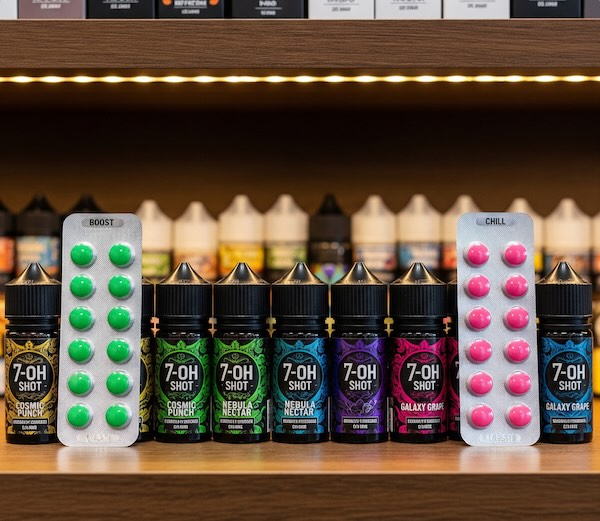
7-Hydroxymitragynine (7-OH) is a concentrated byproduct of the kratom plant (Mitragyna speciosa), known for its potent psychoactive properties. Unlike natural kratom leaves, which contain low levels of 7-OH (up to 2% of alkaloids), isolated or synthetic forms amplify its opioid-like effects, raising concerns about abuse.6 7-OH products, sold as tablets, gummies, drink mixes, and shots, making them easily accessible online, in gas stations, corner stores, and vape shops.5
Seven hydroxy or 7-Hydroxymitragynine are often mislabeled or marketed as Kratom. This lack of clear labeling increases risks, as consumers may unknowingly ingest high doses, leading to dependence or overdose.3
What Does 7-OH Do to You?
7-OH produces analgesia (pain relief), euphoria, and sedation by binding to mu-opioid receptors in the brain, but its potency heightens risks of dependence, withdrawal, respiratory depression, and overdose.76 At low doses, it may mimic stimulants, but higher doses lead to opioid-like sedation and potential respiratory issues.9
Users report rapid tolerance, requiring increased doses, which amplifies addiction risks.8
Is 7-OH a Controlled Substance?
As of August 2025, 7-OH is not a federally scheduled controlled substance, but the FDA has pushed for Schedule I classification, warning that it’s not legal in dietary supplements, foods, or approved drugs.12 In July 2025, the FDA issued warning letters to firms marketing 7-OH products, citing its severe addiction risks.2
Florida took decisive action, classifying concentrated 7-OH as a Schedule I substance on August 13, 2025, making its sale, possession, or distribution illegal.45

Is 7-OH the Same as Kratom?
7-OH is one of the kratom plant’s most potent alkaloids, but it differs significantly from natural kratom. While kratom leaves contain low levels of 7-OH (up to 2%), concentrated forms are far stronger, often sold as natural supplements.6 Kratom’s primary alkaloid is mitragynine (up to 66%), with 7-OH as a minor metabolite.7
Is 7-OH an Opioid?
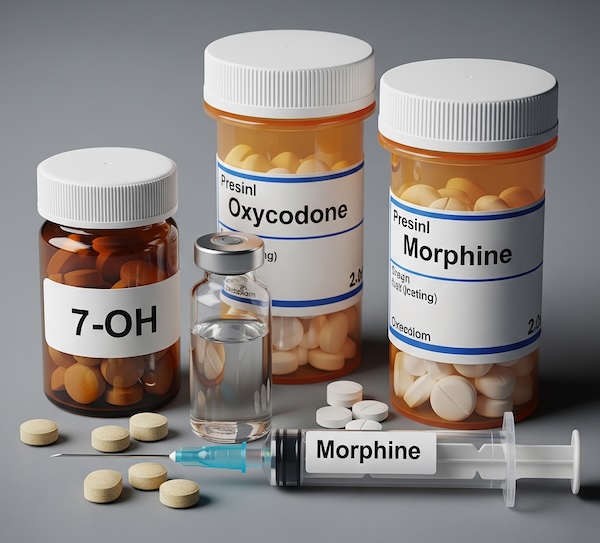
7-OH is considered an opioid alkaloid due to its strong binding to mu-opioid receptors, the same receptors targeted by morphine and heroin.7 Studies suggest 7-OH is 5-10 times more potent than morphine per milligram6 . Unlike classic opioids, 7-OH also interacts with adrenergic and serotonergic receptors, which may contribute to increased alertness at low doses, changes in mood, and stimulant-like effects before sedation takes over at higher amounts.9
Is 7-OH Addictive?
7-OH is highly addictive due to its strong binding to opioid receptors, leading to rapid tolerance, physical dependence, and cravings.8 Withdrawal symptoms, including anxiety, pain, and insomnia, can last weeks to months, resembling opioid withdrawal.9
Why is 7-OH Banned?
7-OH is banned due to its high abuse potential, risks of addiction, overdose, and respiratory depression.13 The FDA’s July 2025 warnings highlighted its dangers in supplements, citing mislabeling and lack of approved medical use.2 Florida’s August 13, 2025, emergency rule classified concentrated 7-OH as a Schedule I substance, targeting products like gummies and shots but sparing natural kratom leaves.45
This ban reflects concerns about accessibility and public health risks, with Florida leading state-level action.5
7-OH Addiction Treatment
Treatment for 7-OH addiction involves medically supervised detox, evidence-based therapies, and support for co-occurring disorders like trauma.10 Buprenorphine may ease withdrawal, while CBT and motivational interviewing address behavioral triggers.10 Residential programs at Still Detox provide a structured environment for safe recovery, integrating mindfulness and group therapy to combat isolation.
Aftercare, including support groups, is crucial to prevent relapse.8 Call Still Detox at (561) 556-2677 to start your recovery journey.