
The M365 white oblong pill, a widely prescribed opioid medication, is at the heart of the U.S. opioid crisis due to its potent effects and high potential for misuse. Containing acetaminophen 325 mg and hydrocodone bitartrate 5 mg, the M365 pill is one of the most abused prescription drugs in the nation, contributing to thousands of overdoses and addiction cases annually.
This in-depth guide explores the M365 pill’s medical uses, why it’s so widely misused, its devastating health risks, the growing threat of counterfeit versions, and proven strategies for safe recovery. Learn how this seemingly routine painkiller becomes life-threatening, especially when combined with alcohol, benzodiazepines, or illicit drugs without medical oversight.
M365 Pill Identifier: What Is It?
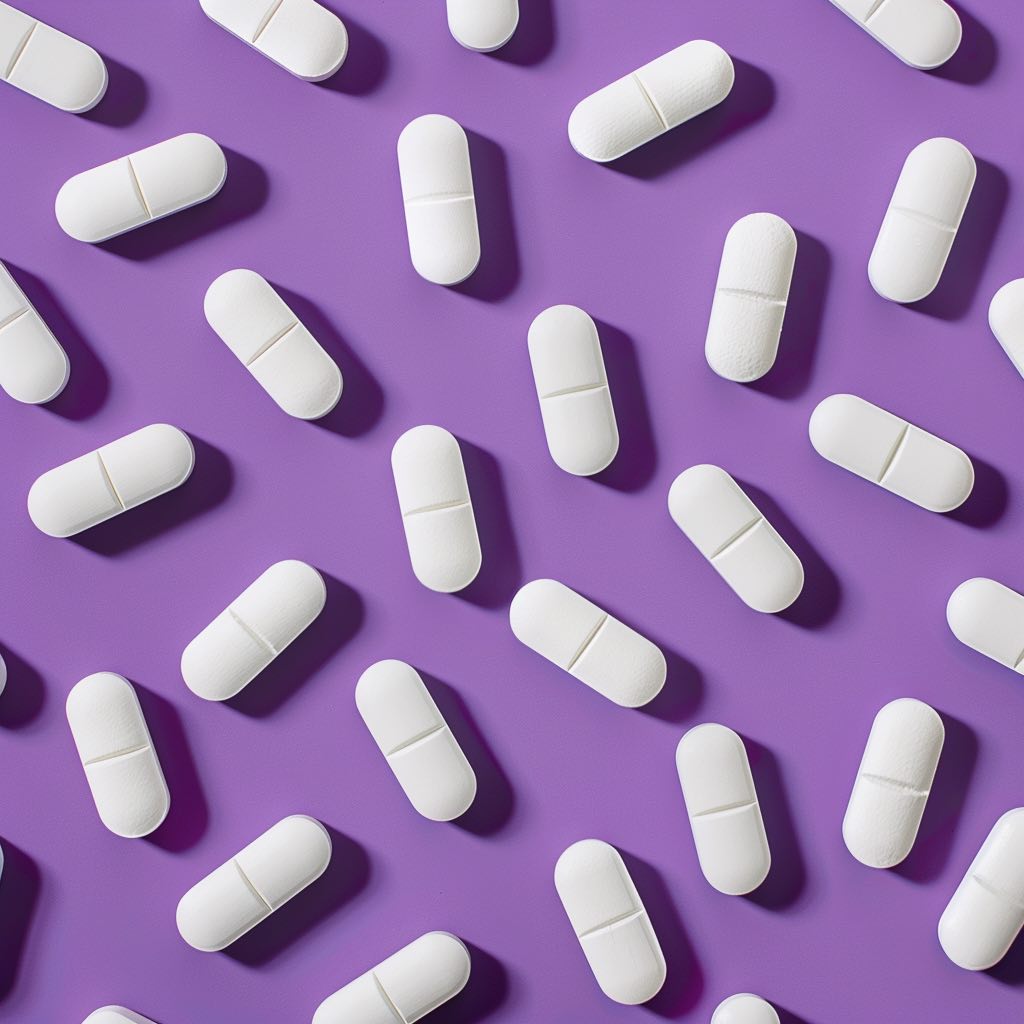
The M365 pill is a white, oblong (capsule-shaped) pill, approximately 15 mm in length, imprinted with “M365” on one side and a score line on the other. It contains a combination of acetaminophen 325 mg, a non-opioid pain reliever, and hydrocodone bitartrate 5 mg, a semi-synthetic opioid analgesic. Supplied by Mallinckrodt Pharmaceuticals, it is also marketed under brand names like Vicodin®, Norco®, and Lortab®. Drugs.com (2025) confirms its identification and composition.
Hydrocodone works by binding to mu-opioid receptors in the brain and spinal cord, altering pain perception and producing sedation, while acetaminophen enhances pain relief and reduces fever. This combination makes the M365 pill effective but highly addictive, per the National Library of Medicine (2024).
Medical Uses of the M365 Pill
The U.S. Food and Drug Administration (FDA, 2023) approves the M365 pill for the management of moderate to severe pain that requires an opioid analgesic when non-opioid treatments (e.g., ibuprofen, physical therapy) are inadequate. It is typically prescribed for short-term use (e.g., 7–10 days) due to its significant risk of dependence.
Common clinical applications include:
- Post-operative pain: After surgeries like dental procedures, orthopedic repairs, or cesarean sections.
- Injury-related pain: For conditions like fractures, sprains, or severe muscle strains.
- Chronic pain: In cases of arthritis, fibromyalgia, or lower back pain, though long-term use is discouraged.
- Cough suppression: Hydrocodone’s antitussive properties are occasionally used off-label for severe coughs.
In 2020, hydrocodone-acetaminophen combinations were among the top 10 most prescribed medications in the U.S., with over 83 million prescriptions dispensed, per CDC data (2020). The M365 pill’s widespread availability contributes to its high abuse rates.
Why Is the M365 Pill So Widely Misused?
The M365 pill’s opioid component, hydrocodone, makes it highly sought after for non-medical use. When taken as prescribed, it provides effective pain relief with mild sedation. However, when misused by taking higher doses, crushing and snorting, or injecting it produces intense euphoria, deep relaxation, and a sense of calm, driving its recreational use.
Key reasons for misuse include:
- Self-medication: Individuals use M365 to manage opioid withdrawal symptoms or untreated mental health issues like anxiety or depression.
- Substitution: When stronger opioids (e.g., oxycodone, heroin) are unavailable, M365 serves as a substitute.
- Polydrug abuse: Users combine M365 with alcohol, benzodiazepines (e.g., Xanax, Valium), or illicit drugs to amplify euphoria, significantly increasing overdose risk.
The Drug Enforcement Administration (DEA, 2023) identifies hydrocodone as the most abused prescription opioid in the U.S., with the M365 pill frequently diverted from legal prescriptions to the black market. In 2021, the SAMHSA National Survey on Drug Use and Health (2021) reported that 9.3 million Americans misused prescription painkillers, with hydrocodone products like M365 leading the trend.
Health Risks of the M365 Pill
The M365 pill’s dual components hydrocodone and acetaminophen pose significant health risks, particularly when misused. Below are the primary dangers:
Opioid-Related Risks
Hydrocodone’s opioid effects can lead to:
- Respiratory Depression: Slowed or stopped breathing, the leading cause of opioid overdose deaths. The National Library of Medicine notes that high doses can cause coma or death.
- Addiction: Dependence can develop within weeks, even with prescribed use, leading to compulsive drug-seeking behavior.
- Tolerance: Users require higher doses to achieve the same effects, increasing overdose risk.
Acetaminophen-Related Risks
Acetaminophen, while safe at recommended doses, is highly toxic in excess:
- Hepatotoxicity: Doses exceeding 4,000 mg per day can cause acute liver failure, a leading cause of drug-induced liver injury. The FDA (2014) warns that misuse of M365 can lead to irreversible liver damage or death.
- Unintentional Overdose: Users seeking hydrocodone’s effects may overlook acetaminophen’s risks, inadvertently consuming toxic doses.
Polydrug Risks
Combining M365 with other central nervous system depressants is particularly deadly:
- Alcohol: Enhances sedation and respiratory depression, increasing liver toxicity risk.
- Benzodiazepines: Drugs like Xanax or Klonopin amplify opioid effects, leading to coma or death.
- Other Opioids: Combining with oxycodone, fentanyl, or heroin multiplies overdose risk.
A 2020 NIDA report found that hydrocodone was involved in approximately 13% of opioid-related overdose deaths, with 60–75% involving multiple substances, underscoring the M365 pill’s role in polydrug fatalities.
Counterfeit M365 Pills: A Growing Threat
The M365 pill’s popularity has made it a prime target for counterfeiters. These fake pills, sold on the black market, online marketplaces, or street corners, often mimic the M365’s appearance but contain dangerous substances like fentanyl, a synthetic opioid 50–100 times more potent than morphine. The DEA (2023) reported that 6 out of 10 counterfeit prescription pills tested in 2022 contained lethal doses of fentanyl.
Counterfeit M365 pills are visually indistinguishable from legitimate ones, making them extremely dangerous without lab testing. The FDA advises consumers to purchase medications only from licensed pharmacies to avoid these risks.
Is the M365 Pill a Controlled Substance?
Yes, the M365 pill is classified as a Schedule II controlled substance under the Controlled Substances Act since October 2014, reflecting its high potential for abuse and dependence, per the DEA. This reclassification tightened prescribing rules, requiring written prescriptions and limiting refills. The Prescription Drug Monitoring Program (2023) tracks M365 prescriptions in most states to prevent diversion and overprescribing.
How the M365 White Oblong Pill Affects the Body and Mind
At therapeutic doses, the M365 pill provides pain relief with mild side effects like:
- Sedation: A calming, drowsy feeling.
- Euphoria: A subtle sense of well-being.
- Reduced pain perception: Effective for acute and chronic pain.
When misused, higher doses amplify these effects, leading to:
- Intense euphoria: A “high” that drives recreational use.
- Confusion: Impaired cognitive function and decision-making.
- Impaired coordination: Slurred speech, unsteady gait, or motor difficulties.
- Respiratory issues: Slowed breathing, a precursor to overdose.
Users often describe a “warm, floating” sensation, per the National Library of Medicine (2024). Long-term misuse can also cause constipation, hormonal imbalances, and immune suppression.
Mental Health Consequences of M365 White Oblong Pill Misuse
Chronic misuse of the M365 pill can profoundly affect mental health, contributing to:
- Depression: Persistent low mood and hopelessness.
- Anxiety: Heightened nervousness or panic attacks.
- Mood swings: Rapid shifts between euphoria and irritability.
- Cognitive impairment: Memory loss and difficulty concentrating.
- Paranoia: Suspiciousness or delusions in high doses.
- Suicidal ideation: Increased risk of self-harm thoughts.
A 2022 study in The Lancet Psychiatry found that opioid misuse, including hydrocodone, is associated with a 40% higher risk of psychiatric hospitalization and a significant increase in suicidal ideation, particularly in polydrug users.
Societal Impact of M365 Pill Abuse
The M365 pill’s widespread abuse has far-reaching consequences beyond individual health:
- Overdose Epidemic: The CDC reports that prescription opioids, including hydrocodone, contributed to over 16,000 overdose deaths in 2021, with hydrocodone products like M365 playing a significant role.
- Economic Costs: The USA Facts estimates that the opioid crisis, driven by drugs like M365, has cost the U.S. economy over $1 trillion since 2001, including healthcare, lost productivity, and criminal justice expenses.
- Family and Community Strain: Addiction disrupts families, increases foster care placements, and strains healthcare systems, per WHO (2024).
The M365 pill’s role in the opioid crisis underscores the need for comprehensive public health interventions.
Legal and Regulatory Measures
To combat M365 abuse, federal and state governments have implemented strict regulations:
- Schedule II Reclassification: In 2014, the DEA moved hydrocodone combination products like M365 from Schedule III to Schedule II, limiting refills and requiring in-person doctor visits, per DEA (2014).
- Prescription Monitoring: All 50 states now use Prescription Drug Monitoring Programs (PDMPs) to track M365 prescriptions, reducing “doctor shopping,” per Congress.gov.
- Prescribing Guidelines: The CDC’s Opioid Prescribing Guidelines recommend limiting M365 prescriptions to 3–7 days for acute pain to minimize dependence risk.
Despite these measures, illegal diversion and counterfeit pills continue to fuel misuse.
Addiction and Withdrawal from the M365 White Oblong Pill
Hydrocodone’s addictive properties make the M365 pill a significant driver of opioid dependence. The SAMHSA (2023) estimates that 2.7 million Americans had an opioid use disorder in 2023, with hydrocodone products among the leading causes.
Withdrawal symptoms, which can begin within 6–12 hours of the last dose, include:
- Physical symptoms: Muscle aches, nausea, vomiting, diarrhea, sweating, chills.
- Psychological symptoms: Anxiety, irritability, depression, intense cravings.
- Severe complications: Seizures or dehydration in extreme cases.
Opioid withdrawal is not only painful but can be life-threatening without medical supervision, per the National Library of Medicine (2024).
Counteracting Counterfeit M365 Pills
To protect against counterfeit M365 pills, consumers should:
- Purchase medications only from licensed pharmacies, as advised by the FDA
- Use fentanyl test strips to detect synthetic opioids in illicit pills, though these don’t guarantee safety.
- Be wary of pills with irregular imprints, colors, or packaging, and report suspicious drugs to the DEA Tip Line (2023).
How to Quit the M365 Pill Safely
Quitting the M365 pill without medical supervision is dangerous due to severe withdrawal symptoms and relapse risks. Medically supervised detox is the gold standard for safe recovery, offering:
- 24/7 Medical Supervision: To manage withdrawal symptoms and prevent complications like seizures.
- Gradual Tapering: Slowly reducing doses to minimize discomfort.
- Medication-Assisted Treatment (MAT): Drugs like buprenorphine or methadone reduce cravings and withdrawal severity, per SAMHSA (2023).
- Mental Health Counseling: Addressing underlying issues like anxiety or trauma that fuel addiction.
- Long-Term Recovery Planning: Support groups, therapy, and relapse prevention strategies.
At Still Detox provide comprehensive detox and rehabilitation programs tailored to opioid addiction.
Prevention Strategies for M365 Abuse
Preventing M365 abuse requires a multi-faceted approach:
- Patient Education: Healthcare providers should inform patients about addiction risks and safe storage to prevent diversion, per CDC (2023).
- Non-Opioid Alternatives: Promoting physical therapy, acupuncture, or non-opioid medications for pain management.
- Community Programs: Needle exchange programs, naloxone distribution, and public awareness campaigns reduce harm.
- Policy Interventions: Expanding access to addiction treatment and regulating online pharmacies to curb counterfeit sales.
The M365 white oblong pill, while effective for pain relief, is a double-edged sword due to its high abuse potential and role in the U.S. opioid crisis. Its widespread availability, euphoric effects, and presence in counterfeit markets make it one of the most dangerous prescription drugs today. Understanding its risks—respiratory depression, liver damage, addiction, and overdose—is critical for patients, healthcare providers, and communities.
Safe recovery is possible at Still Detox through medically supervised medical detoxification, counseling, and long-term support. For individuals specifically struggling with hydrocodone dependence, our specialized hydrocodone addiction treatment program addresses the unique challenges of M365 and similar opioid medications through evidence-based therapies and medication-assisted treatment.
If you or a loved one is struggling with M365 dependence, seek professional help immediately. Early intervention can save lives.