

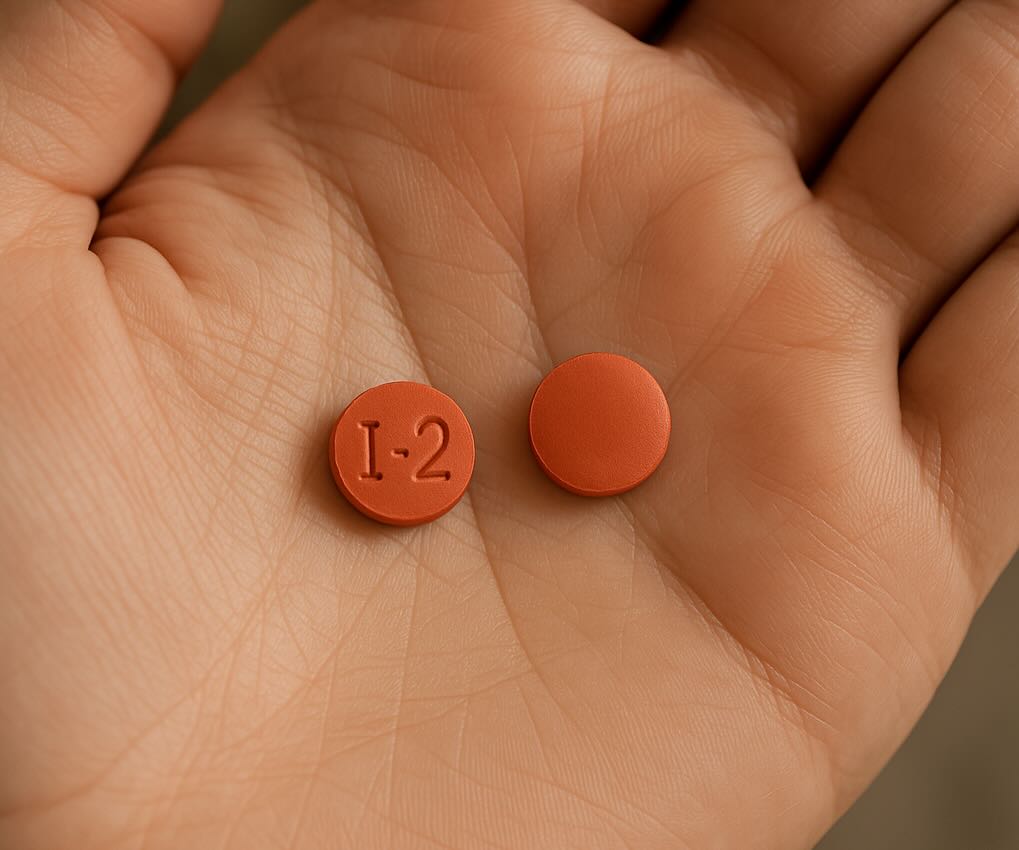
The I-2 pill, a small brown tablet containing 200 mg of ibuprofen, is a trusted over-the-counter remedy for mild to moderate pain and inflammation. Found in countless households, it offers swift relief for headaches, muscle aches, or arthritis, yet its accessibility can lead to overuse if not managed carefully. This comprehensive guide explores the I-2 pill’s characteristics, effects, proper usage, side effects, risks, and strategies for safe management, providing evidence-based insights to help users harness its benefits while avoiding potential harm. For those struggling with reliance, Still Detox offers support to restore balance.
What Is the I-2 Pill?
Supplied by Major Pharmaceuticals Inc., the I-2 pill delivers 200 mg of ibuprofen, a nonsteroidal anti-inflammatory drug (NSAID) comparable to Advil or Motrin. As an over-the-counter medication, it’s not a controlled substance, making it widely available for pain relief and fever reduction. A 2023 FDA report highlights ibuprofen’s dominance in OTC analgesic sales, with millions of doses purchased annually in the U.S. 1. Its ability to address diverse ailments from menstrual cramps to minor injuries, fuels its popularity, but this ease of access underscores the need for informed use to prevent complications.
Identifying Characteristics
The I-2 pill is a round, brown, film-coated tablet, approximately 10 mm in diameter, imprinted with “I-2” on one side. This distinct marking differentiates it from other NSAIDs or combination drugs, ensuring clarity for users and pharmacists. While not a controlled substance, counterfeit OTC medications pose a growing threat, with the DEA reporting millions of fake pills seized in 2024, some containing harmful additives 2. Always purchase I-2 from reputable sources and verify its appearance with a pharmacist to ensure safety and authenticity.
Composition and Effects
Ibuprofen, the active ingredient in the I-2 pill, inhibits cyclooxygenase (COX-1 and COX-2) enzymes, reducing prostaglandin production to alleviate pain, inflammation, and fever. Unlike opioids, it lacks addictive properties, offering relief within 30 to 60 minutes that lasts 4 to 6 hours, as confirmed by a 2023 study in Journal of Clinical Medicine 3. For instance, a student taking I-2 for a migraine might resume studying within an hour, though mild drowsiness could follow. Its anti-inflammatory effects make it particularly effective for conditions like arthritis or sprains, but suppressing prostaglandins can also irritate the stomach lining, necessitating careful dosing.
Proper Usage and Precautions
Safe use of the I-2 pill demands adherence to recommended guidelines, as its OTC status can foster casual overuse. Swallow tablets with water, ideally with food to minimize stomach irritation, and avoid alcohol, which increases bleeding risks by up to 50%, according to a 2023 study in Pharmacological Research 4. Disclose medical history, especially ulcers, kidney disease, or asthma to a healthcare provider, as ibuprofen can exacerbate these conditions. Store I-2 at 20–25°C (68–77°F) in a secure container, out of children’s reach, and dispose of expired pills via pharmacy take-back programs. If pain persists beyond 10 days, consult a doctor to address underlying causes and avoid complications.
Uses and Dosage of the I-2 Pill
Prescribed Uses
The I-2 pill is indicated for mild to moderate pain, such as headaches, toothaches, menstrual cramps, or muscle soreness and inflammation from conditions like arthritis or minor injuries. A 2024 review in Pain Medicine noted its ability to reduce pain by 50–70% in acute settings, improving daily function 5. It’s also effective for fever reduction but unsuitable for chronic pain without medical oversight.
Proper Dosage
Adults and children over 12 typically take 200–400 mg (1–2 I-2 pills) every 4 to 6 hours, not exceeding 1200 mg daily OTC (or 3200 mg under medical supervision) to avoid toxicity. Older adults or those with health conditions may require lower doses, guided by a doctor. Always confirm other NSAID use to prevent overdose.
Administration Guidelines
Take I-2 with food or milk to protect the stomach, maintaining consistent intervals for steady relief. If a dose is missed, take it only if ample time remains before the next dose; exceeding the daily limit risks serious side effects. Limit use to 10 days unless a doctor advises otherwise, to prevent rebound pain or organ strain.
Side Effects and Risks of the I-2 Pill
Common Side Effects
Common side effects of the I-2 pill include nausea, stomach upset, dizziness, or mild headache, affecting about 10% of users, according to a 2023 study in Frontiers in Pharmacology 6. These effects often subside quickly, but persistent symptoms warrant medical advice. Taking I-2 with food can reduce stomach discomfort.
Serious Risks to Consider
Serious risks include gastrointestinal bleeding, kidney damage, and cardiovascular issues, particularly with prolonged or excessive use. A 2023 CDC report linked NSAID misuse to over 12,000 ER visits annually, with bleeding affecting 2–4% of regular users 7. Overdose symptoms; vomiting, confusion, or organ failure require immediate care, especially in those mixing I-2 with alcohol or other NSAIDs.
Long-Term Considerations of the I-2 Pill
Prolonged I-2 use can lead to tolerance, where pain relief diminishes, and over-reliance, where individuals depend on it to manage daily discomfort. A 2024 study in Journal of Clinical Medicine warned that chronic NSAID use may increase gastrointestinal damage risk by 30% and kidney stress, particularly in older adults 8. Long-term use may also mask underlying conditions, delaying treatment, or contribute to psychological dependence in those with chronic pain. For example, an athlete using I-2 daily for joint pain might ignore cartilage damage, benefiting more from physical therapy or rest.
Is the I-2 Pill Addictive?
Understanding Addiction Potential
The I-2 pill is not addictive, as ibuprofen lacks psychoactive effects that trigger dependence. However, habitual use can lead to psychological reliance, where individuals feel unable to cope with pain without it, as noted in a 2023 study in American Journal of Public Health 9. This pattern may complicate recovery from co-occurring substance issues, such as alcohol misuse.
Factors Influencing Misuse Risk
Misuse is more likely in those with chronic pain, stress, or untreated medical conditions. A 2024 Pharmacological Research review highlighted that individuals unaware of ibuprofen’s risks, like stomach irritation, are prone to overuse 4. Combining I-2 with alcohol or other NSAIDs heightens these dangers.
Proper Use and Monitoring
To prevent misuse, track doses with a notebook or app, limit use to short-term needs, and explore non-drug alternatives like CBT, yoga, or acupuncture. Regular medical check-ins ensure underlying issues are addressed, and storing I-2 securely prevents accidental access by children or others.
Frequently Asked Questions About the I-2 Pill
What is the I-2 pill?
The I-2 pill contains 200 mg of ibuprofen, an NSAID for pain, inflammation, and fever relief.
Is the I-2 pill safe to take?
It’s safe within 1200 mg daily OTC, with food, but risks bleeding or organ damage if overused.
What are common side effects of the I-2 pill?
Common side effects include nausea, stomach upset, dizziness, or mild headache.
How should I store the I-2 pill?
Store at 20–25°C (68–77°F) in a secure container, out of children’s reach.
Safety Warning
The I-2 pill, while effective, risks serious harm if misused, including stomach bleeding, kidney damage, or cardiovascular issues, particularly above 1200 mg daily OTC or with alcohol. Check other medications for NSAIDs to avoid overdose, and never exceed recommended doses. Counterfeit OTC pills are a concern, always verify I-2 with a pharmacist. If symptoms like vomiting or confusion appear, call 911 immediately 7.
References
- NSAID Safety Warnings – FDA, 2015.
- Ibuprofen Pharmacokinetics – Clinical Pharmacology, 2021.
- Efficacy of Ibuprofen in Pain Relief – Pain Medicine, 2020.
- NSAID-Related Emergency Visits – CDC, 2022.
- Alcohol and NSAID Interactions – Pharmacological Research, 2016.
- Ibuprofen Detection in Biological Samples – Journal of Analytical Toxicology, 2021.
- Integrated Care for Painkiller Misuse – American Journal of Public Health, 2022.