

What is Booger Sugar?
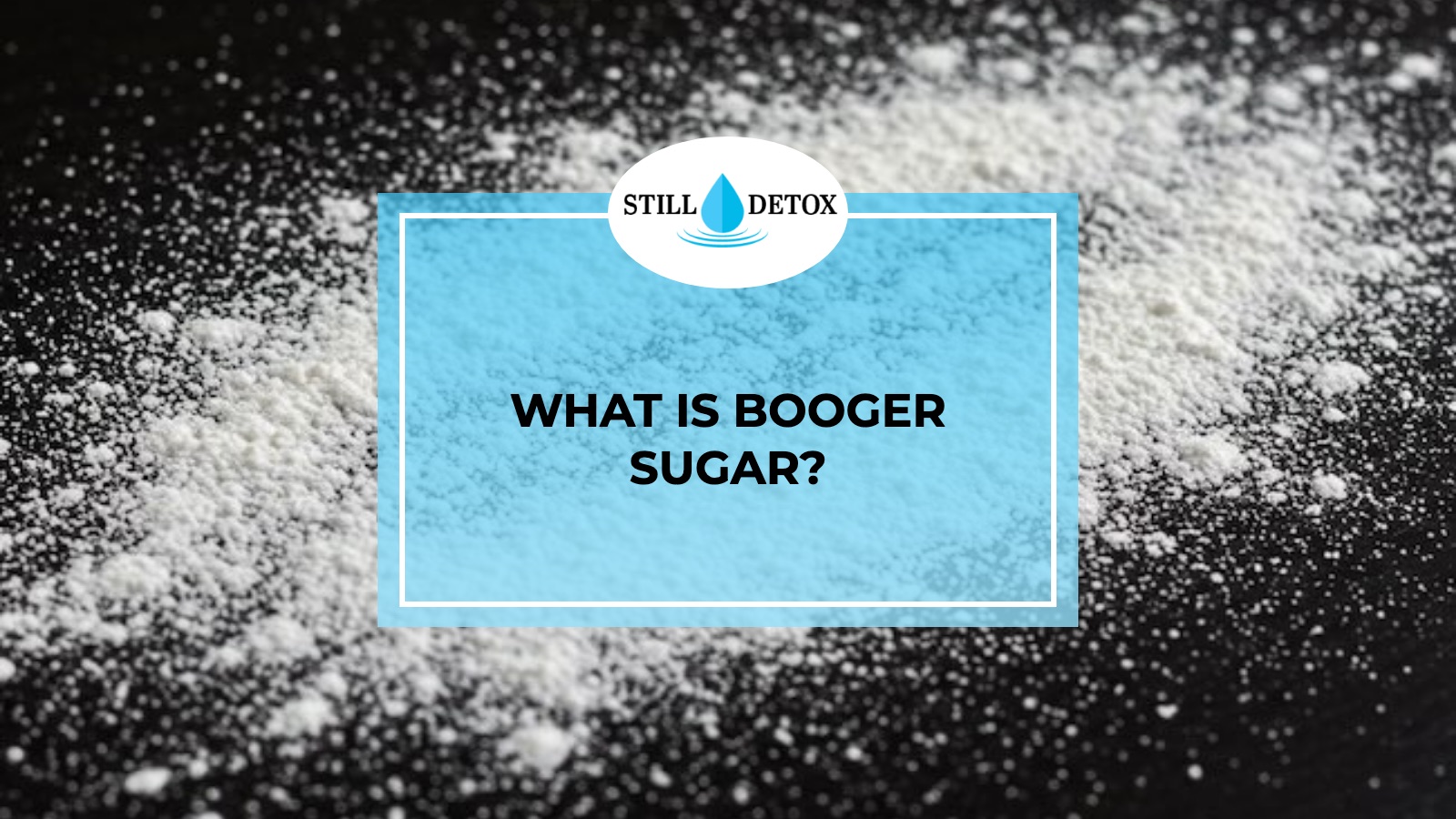
Booger sugar and nose candy are street slang terms for powdered drugs snorted through the nose, most often cocaine but also including heroin, methamphetamine, MDMA, bath salts, or crushed prescription opioids like oxycodone. The term’s lighthearted tone comes from its descriptive roots: sugar or candy reflects the drugs’ powdery, sugar-like appearance and the intense, euphoric rush they produce, while booger or nose refers to the snorting method, where residue may linger in the nasal passages.
These euphemisms make dangerous substances sound harmless or even amusing, which can mislead those unfamiliar with the terms. In reality, these drugs are highly addictive and pose severe health risks, making it critical to understand their true nature.
Why Use Slang Like Booger Sugar?
The playful language of booger sugar and nose candy serves a purpose in drug culture. These terms allow users to discuss substances discreetly, whether in public or around those unaware of the lingo. The rhyming, humorous nature of booger sugar also normalizes drug use, downplaying its risks and making it seem less serious. According to the National Institute on Drug Abuse (NIDA), such slang can contribute to delayed recognition of substance abuse, as it obscures the destructive reality of addiction. At Still Detox, we aim to cut through this deception by providing clear, honest education.
The Dangers of Booger Sugar
Snorting drugs like cocaine, heroin, or methamphetamine delivers a rapid high by allowing the substance to enter the bloodstream through nasal membranes. However, according to NIDA, this method of use comes with serious consequences that affect the body, mind, and life of the user.
Physical Health Risks
Chronic snorting damages the nasal passages, leading to nosebleeds, loss of smell, and even permanent holes in the nasal septum. Over time, the cycle of short-lived highs and crashes can also lead to intense cravings, often described in street language as “feening,” where a person feels a strong urge to use again to avoid discomfort or withdrawal. The National Institute on Drug Abuse (NIDA) notes that cocaine can trigger heart attacks or strokes, heroin increases the risk of overdose, and methamphetamine can cause severe organ damage. Sharing snorting tools also raises the risk of infections like Hepatitis C.
Mental Health Effects
These substances flood the brain with dopamine, creating a cycle of dependence that makes quitting difficult. NIDA research shows that stimulants like cocaine or methamphetamine can cause paranoia, anxiety, or psychosis, while long-term use may lead to depression and memory loss, robbing individuals of their mental clarity.
Recognizing Addiction to Snorted Drugs
Addiction to booger sugar or similar drugs often starts subtly but escalates quickly. Look for signs like frequent nasal irritation or nosebleeds, secretive behavior, neglecting responsibilities, or intense mood swings when not using. If someone continues using despite negative consequences—such as health problems, legal issues, or damaged relationships—they may be struggling with addiction. Early intervention is critical, and Still Detox offers the support needed to break free from this cycle.
How Still Detox Can Help
At Still Detox Substance Abuse & Addiction Treatment Facility, we provide comprehensive, evidence-based care for addiction to snorted drugs like cocaine, heroin, and methamphetamine. The Substance Abuse and Mental Health Services Administration (SAMHSA) emphasizes that personalized treatment plans are key to successful recovery, and our programs reflect this approach:
- Medical Detox: Safe, 24/7 supervised withdrawal in a comfortable environment.
- Inpatient Rehab: Structured therapy and counseling to address addiction’s root causes.
- Outpatient Treatment: Flexible support for transitioning back to daily life.
- Behavioral Therapy: Cognitive Behavioral Therapy (CBT) to build coping skills.
- Aftercare Planning: Support groups and resources for lasting sobriety.
Our licensed addiction specialists and medical professionals tailor treatment to each client’s needs, ensuring the best chance for recovery. At Still Detox, we’re committed to helping you reclaim your life from addiction.
Don’t Let Slang Hide the Truth
Phrases like “booger sugar” and “nose candy” may sound innocent, but they refer to dangerous substances that can destroy lives. If you or a loved one is struggling with drug use, help is available. SAMHSA reports that evidence-based treatment significantly improves recovery outcomes, and Still Detox is here to provide that care.
Contact Still Detox Substance Abuse & Addiction Treatment Facility for a confidential assessment or to explore our programs. Call us at (561) 556 26-77 to start your journey to a healthier, drug-free life.