
The G 31 white oval pill is a prescription-only medication increasingly linked to overdose cases, black market distribution, and unsupervised detox attempts. Learn what the G 31 pill is used for, why it’s being misused, and how it becomes dangerous, especially when mixed with opioids or taken without medical oversight.
G 31 Pill Identifier
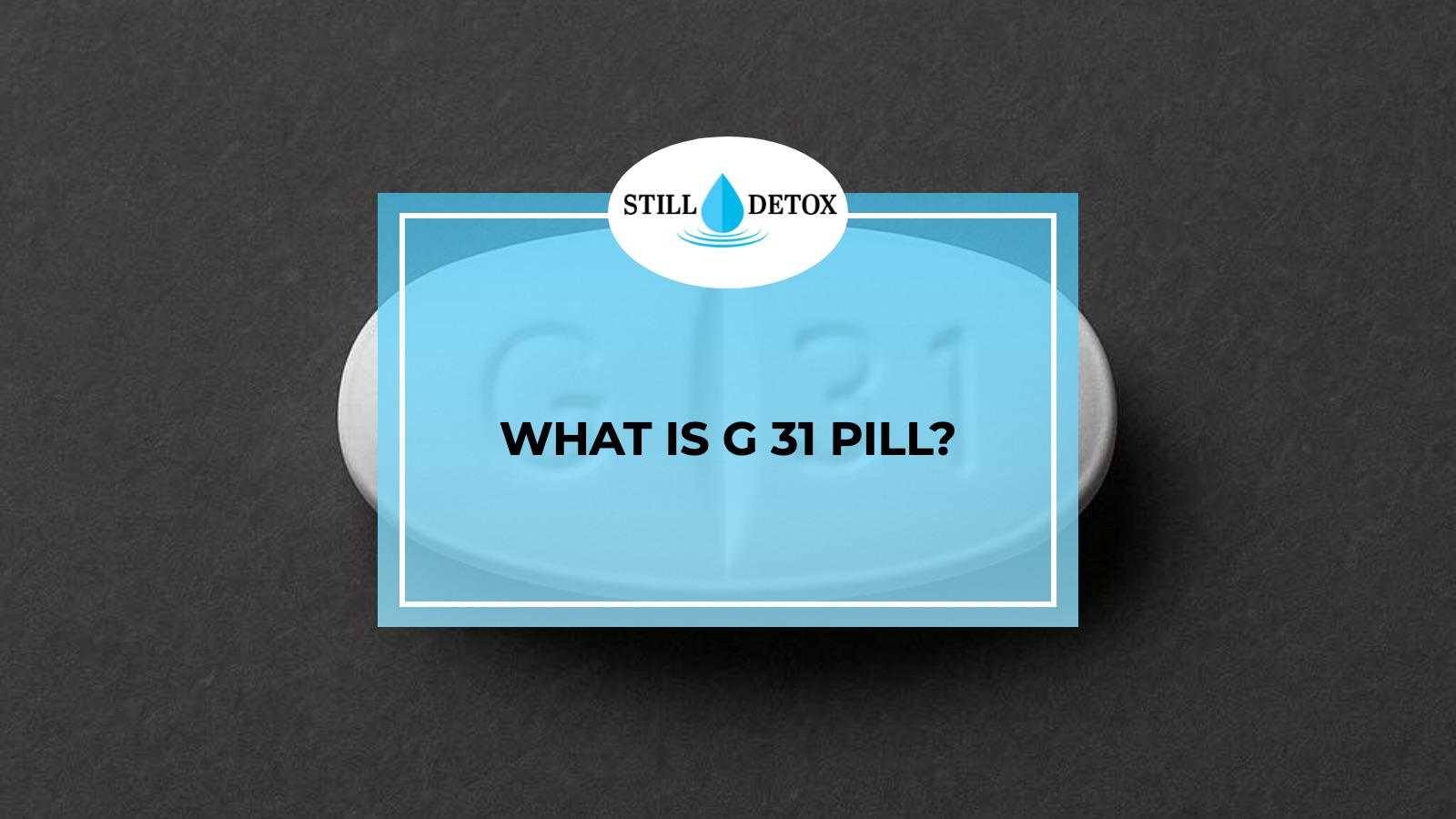
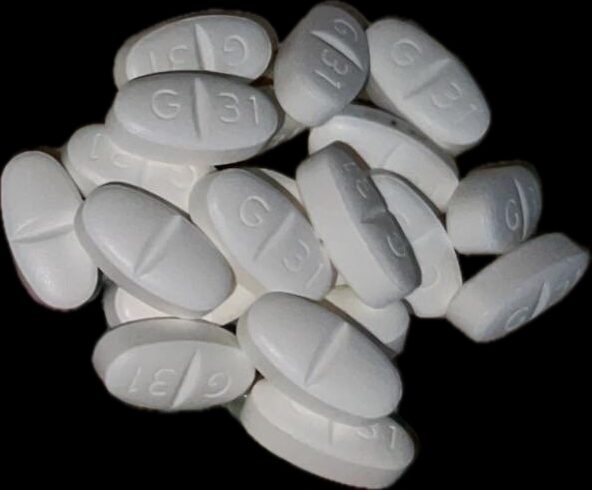
The G 31 pill is white, oval, and scored down the middle. One side is marked “G,” the other “31.” It contains 600 milligrams of gabapentin in immediate-release form and is manufactured by Glenmark Generics Inc. While dispensed as gabapentin, the same medication is also sold under brand names like Neurontin®, Gralise®, and Horizant®.
Although the G 31 pill is sometimes referred to casually as a “GABA pill,” this is technically inaccurate. Gabapentin does not bind directly to GABA receptors. According to the National Library of Medicine, it affects calcium channels and indirectly modulates GABA-related neurotransmission, producing calming effects when taken as prescribed.
What Is G 31 Pill Used For?
The FDA has approved G 31 white oval pill for two uses: treating partial seizures and relieving postherpetic neuralgia, the burning nerve pain that can follow a shingles outbreak.
In real-world practice, physicians also prescribe the G 31 pill for anxiety disorders, bipolar-related symptoms, fibromyalgia, restless leg syndrome, and chronic musculoskeletal pain. In 2019 alone, over 69 million prescriptions for gabapentin were dispensed in the U.S., making it one of the top ten most prescribed medications nationwide.
Why People Misuse G 31 Pills
When taken at standard doses, the G 31 pill can help calm overactive nerves. But when misused in high amounts, the effects can shift dramatically. Some individuals take multiple pills at once to induce deep sedation, a sense of detachment, or temporary euphoria.
Others misuse the G 31 pill during periods when they are not using opioids, often as part of a self-managed withdrawal or detox. In these cases, the pill is taken as a substitute, based on the belief that it can make the process more bearable. While it may produce temporary effects, this type of unsupervised use is medically unsafe and carries significant risks.
According to the DEA, gabapentin misuse rose sharply alongside the opioid crisis. In many cases, individuals combine G 31 pill with oxycodone, fentanyl, or alcohol – not only to intensify high from those drugs, but also to extend their effects. These combinations are especially dangerous and frequently involved in overdose cases.
Dangers of G 31 Gabapentin 600 mg Pill
G 31 pill lowers opioid tolerance, meaning people who relapse on opioids after a brief period of abstinence may experience fatal respiratory depression, even at doses they previously tolerated.
According to a 2022 CDC report, gabapentin was detected in 9.7% of fatal overdoses across 23 states and Washington, D.C. Of those cases, more than 52% were confirmed to be gabapentin-involved deaths. Among these, nearly 90% also involved opioids, revealing the high risk associated with combining the drugs.
Counterfeit G 31 Pills
Gabapentin isn’t only available through legal prescriptions anymore. The G 31 pill is increasingly showing up in illegal markets, sold on the street, at parties, or online.
The DEA has reported the widespread presence of counterfeit G 31 pills, often laced with fentanyl or synthetic analogs. These fake pills look identical to legitimate pharmacy-dispensed gabapentin, making it almost impossible to tell the difference without lab testing. Just one counterfeit pill can be deadly.
Is Gabapentin a Controlled Substance?
Gabapentin is not classified as a controlled substance at the federal level. However, the Prescription Drug Monitoring Program Training and Technical Assistance Center notes that 14 states now classify gabapentin as a Schedule V or monitored drug, including Kentucky, West Virginia, and Michigan. These measures have been implemented due to its increased use in overdose cases and reports of abuse.
How the G 31 Pill Affects the Body and Mind
At normal therapeutic doses, the G 31 white oval pill may cause mild drowsiness, muscle relaxation, and reduced nerve sensitivity. But at higher doses, it produces sedation, dizziness, confusion, and in some cases, hallucinations. Some users describe the sensation as “floating,” or compare it to a low-dose stimulant when snorted or taken with other drugs.
In 2019, the National Poison Data System received over 2,000 reports related to gabapentin toxicity up from 1,200 cases just three years earlier. This increase reflects growing concern among toxicologists and clinicians.
Mental Health Risks of G31 Pill
Gabapentin misuse can significantly impact emotional and psychological stability. Reported mental health effects of G 31 pill include:
- Depression
- Irritability
- Emotional blunting
- Paranoia
- Anxiety
- Suicidal thoughts (in rare but documented cases)
A 2022 study published in Lancet Psychiatry linked gabapentin misuse with increased risk of psychiatric hospitalization, particularly when misused in combination with other drugs or during unsupervised withdrawal.
Mixing G31 Pill with Other Substances
The G31 pill is especially dangerous when combined with:
- Opioids (e.g., oxycodone, codeine, fentanyl)
- Benzodiazepines (e.g., Xanax, Klonopin, Ativan)
- Alcohol
Each of these substances depresses the central nervous system. When used together, the effects amplify, slowing heart rate and breathing to life-threatening levels. The CDC warns that in most fatal gabapentin-related overdoses, at least one of these other depressants was also present.
G 31 White Oval Pill Addiction and Withdrawal
Gabapentin was once considered low-risk for addiction. That assumption has changed. The Substance Abuse and Mental Health Services Administration (SAMHSA) now recognizes gabapentin as a drug of concern.
Addiction to the G 31 pill can develop quickly, especially when taken at high doses or for extended periods. Withdrawal symptoms can include:
-
Restlessness
-
Insomnia
-
Nausea
-
Sweating
-
Headaches
-
Severe anxiety
-
Seizures (at higher doses)
Unlike opioid withdrawal, G 31 pill withdrawal is not just uncomfortable it can be medically dangerous if attempted without supervision.
How to Quit G 31 Pill Safely?
Tapering off the G 31 pill should be done under medical care. At Still Detox in Boca Raton, patients undergo structured detox programs that include:
- 24/7 medical supervision
- Gradual taper plans
- Symptom management (for anxiety, agitation, sleep disruption)
- Mental health support
- Ongoing therapy and recovery planning
Quitting without guidance is not only difficult, it’s risky. A slow taper with professional support offers the best chance at a safe, sustainable recovery.