

THC Syrup Abuse Potential: News, Research, and Implications for Addiction Treatment
THC Syrup, known as weed syrup, liquid THC, liquid pot drink, or THC lean, has surged in popularity as a discreet cannabis consumption method. This concentrated liquid form of tetrahydrocannabinol (THC), the psychoactive compound in cannabis, offers versatility but carries significant abuse potential. For addiction treatment facilities, understanding its risks—backed by U.S.-based research from the National Institutes of Health (NIH), National Institute on Drug Abuse (NIDA), Substance Abuse and Mental Health Services Administration (SAMHSA), and Centers for Disease Control and Prevention (CDC)—is critical.
What Is THC Syrup and Why Is It a Concern?
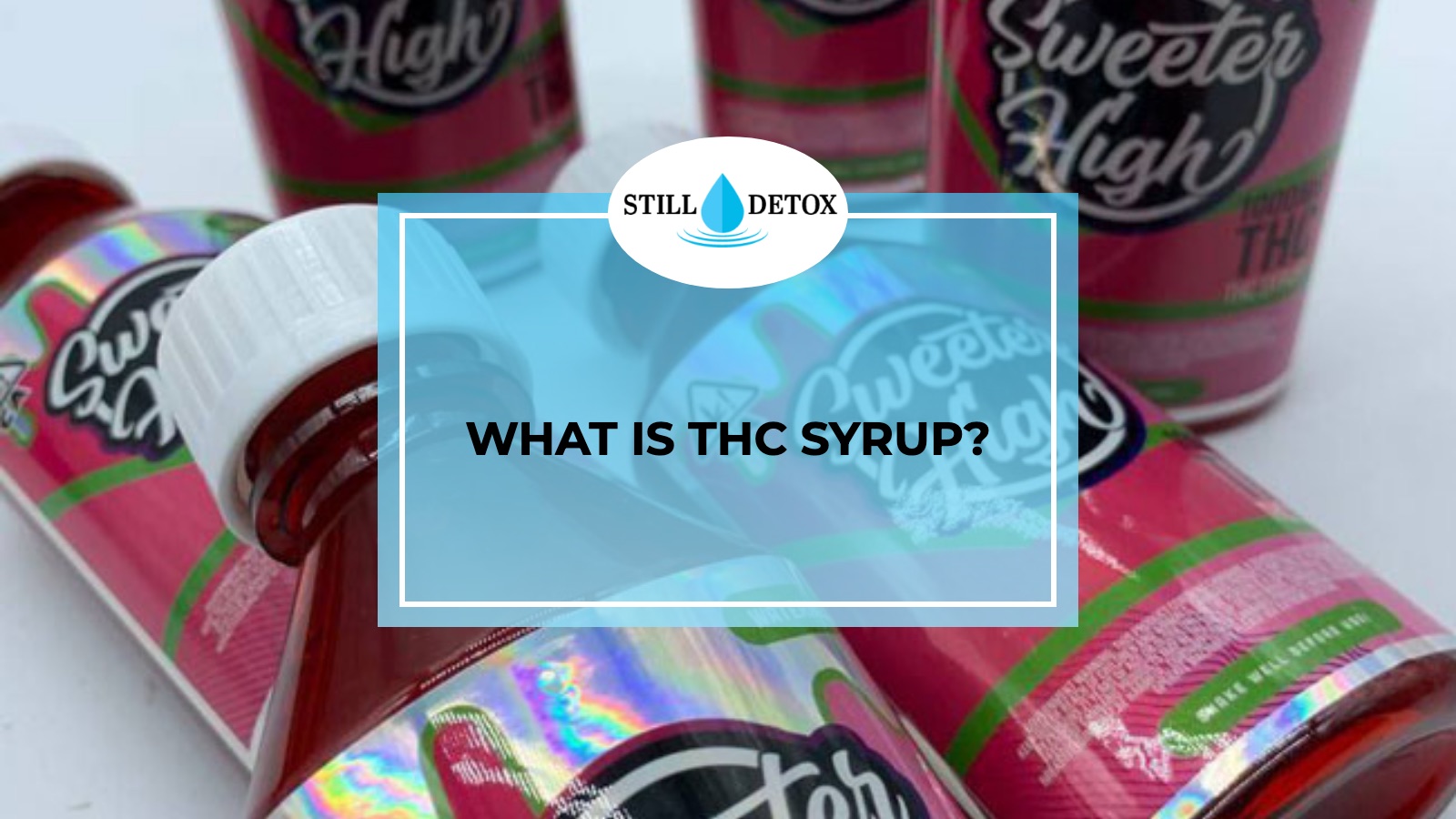
THC Syrup blends THC with sweeteners like sugar or glycerin, creating a thick, sweet liquid akin to cough syrup. Users consume it by swallowing—often added to drinks—or placing it under the tongue for faster effects. Its potency, sometimes reaching 1000mg per bottle, and ease of use make it appealing yet dangerous. Unlike smoking, weed syrup’s delayed onset (30 minutes to 2 hours when swallowed) can lead users to overconsume, mistakenly thinking the dose was insufficient. This characteristic, combined with its high THC content, elevates its abuse potential, a concern echoed by the CDC for high-potency cannabis products1.
News Reports: Real-World Abuse Cases
A striking example of THC Syrup abuse surfaced in Paris, TN, on July 24, 2022. Authorities arrested Rheasha Gaskins and Timothy Vanmierlo after finding 13 bottles of THC-infused syrup during a search at 155 Logan Rd. The seizure included other drugs—cannabis edibles, THC wax, mushroom products—plus scales, a money counter, and a safe, suggesting intent to distribute.
Three juveniles were present, leading to charges of Possession of Schedule I with Intent to Sell, Aggravated Child Abuse, and more, with bonds set at $300,000 each. This case, reported by radio NWTN, illustrates how liquid THC can intertwine with illegal activity and endanger vulnerable populations, amplifying its risks beyond personal use2.
Research Insights on Abuse Potential
Scientific evidence underscores THC Syrup’s capacity for misuse. NIDA reports that about 30% of cannabis users may develop cannabis use disorder, a risk heightened by high-potency forms like liquid pot drink. Chronic use alters brain function, increasing tolerance and dependency, with withdrawal symptoms like irritability and insomnia upon cessation3. The CDC notes that concentrated THC products such as gummies amplify intoxicating effects, raising overconsumption risks, especially among inexperienced users1. SAMHSA data link higher THC levels to more emergency room visits and dependency, with liquid THC’s potency mirroring these trends4.
A Yale Medicine study highlights that THC potency in cannabis has nearly doubled from 9% in 2008 to 17% in 2017, with syrups often exceeding this, correlating with a 30% addiction rate among users. This potency shift, detailed in NIH research, suggests weed syrup’s concentrated nature could accelerate addiction pathways5.
Legal and Social Consequences
The Paris, TN case reveals a surprising twist: THC Syrup, often marketed as discreet, can lead to severe legal fallout. Federal illegality persists, per SAMHSA, with state variations complicating enforcement4. The presence of children in the arrest scenario ties liquid THC to child welfare issues, escalating charges to Aggravated Child Abuse. Such consequences highlight its role in broader societal harm, making it a priority for addiction treatment providers addressing legal entanglements alongside substance use.
Implications for Addiction Treatment
For addiction treatment facilities, THC Syrup poses unique challenges. Its delayed effects and potency increase overdose risks, as users may stack doses, per NIDA findings6. Treatment must address cannabis use disorder’s psychological grip, with NIH studies suggesting integrated approaches for co-occurring mental health issues like anxiety, common among users7. SAMHSA emphasizes education to reduce initiation, noting school-based programs can cut cannabis use by 20-30%, a strategy facilities can adopt8.
Chronic use of THC lean also risks long-term brain changes, particularly in adolescents, increasing susceptibility to other substance use disorders, per NIDA’s adolescent brain research3. Facilities must tailor interventions, combining behavioral therapy and community support to address these multifaceted risks.
Conclusion
THC Syrup—whether called weed syrup, liquid THC, liquid pot drink, or THC lean—carries a potent risk profile, evidenced by arrests like Paris, TN, and research from NIDA, CDC, and SAMHSA. Its abuse potential, tied to high THC levels and delayed effects, fuels addiction, legal troubles, and social harm. Addiction treatment facilities must prioritize awareness, prevention, and comprehensive care to combat its impact, ensuring those struggling with THC Syrup misuse receive the support needed to recover and avoid its pitfalls.