

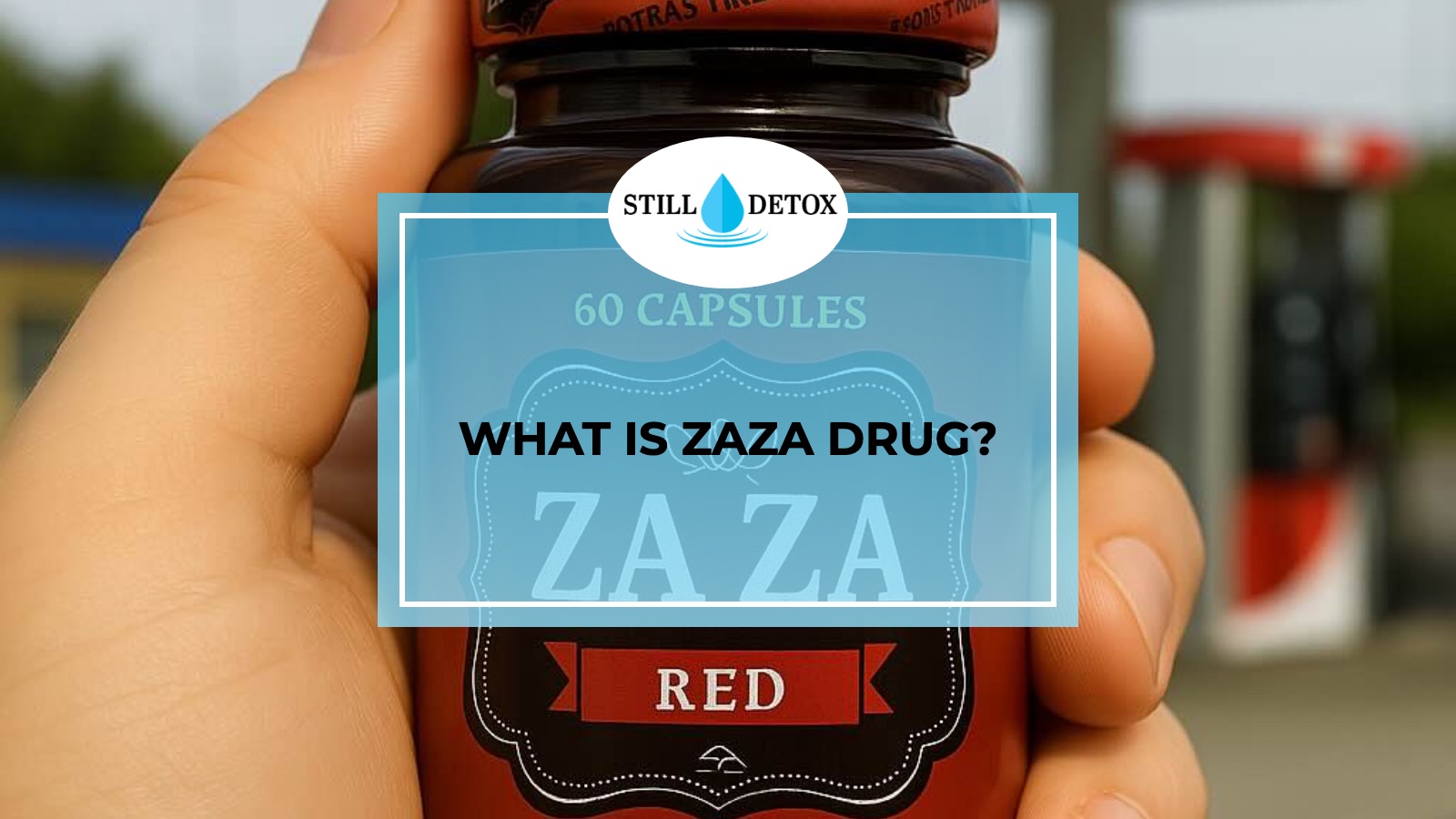
ZaZa Red, commonly called “gas station heroin,” is the street name for products containing tianeptine, an atypical antidepressant medication that is not FDA-approved in the United States. At therapeutic doses prescribed in other countries, tianeptine stabilizes mood by affecting serotonin and glutamate. However, at the high doses abusers consume, according to research on tianeptine’s pharmacology, it binds to mu-opioid receptors in the brain and produces opioid-like euphoria, pain relief, and sedation comparable to heroin or oxycodone. Sold at gas stations and convenience stores under brand names like ZaZa Red, Tianna, Pegasus, and Neptune’s Fix, these products are marketed as dietary supplements to evade FDA regulation. Understanding what ZaZa actually is, why it is so dangerous, and how addiction develops is critical for recognizing the problem and seeking help.
Key facts about ZaZa Red and tianeptine
- ZaZa Red contains tianeptine, a non-FDA-approved antidepressant: At high doses, tianeptine acts as a mu-opioid receptor agonist, producing opioid-like euphoria and intoxication.
- Sold legally at gas stations and convenience stores: ZaZa is marketed as a dietary supplement or nootropic to bypass FDA regulations and avoid controlled substance restrictions.
- Nicknamed “gas station heroin” for good reason: The drug produces effects comparable to heroin and is sold with minimal restrictions at retail locations.
- Rapidly addictive with severe opioid-like withdrawal: Users develop physical dependence within weeks, experiencing withdrawal symptoms including tremors, sweating, severe anxiety, and intense cravings.
- Poison control calls have surged dramatically: Only 11 cases of tianeptine toxicity were recorded between 2000 and 2013, but 151 cases occurred in 2020 alone, reflecting an emerging public health crisis.
- Does not appear on standard drug tests: Tianeptine is not detected on routine urine drug screens, making it easy for users to hide addiction from employers, courts, and healthcare providers.
- Causes serious organ damage: Long-term high-dose use has been linked to liver damage, bile duct injury, and brain damage (toxic leukoencephalopathy).
- Overdose is life-threatening: ZaZa overdose can cause respiratory depression, loss of consciousness, seizures, coma, and death.
- Naloxone only partially reverses overdose: While naloxone can help with the opioid component, it does not fully reverse all aspects of a ZaZa overdose.
- Banned in at least 12 states as of 2025: Alabama, Arkansas, Florida, Georgia, Indiana, Kentucky, Michigan, Mississippi, Ohio, Oklahoma, Tennessee, and North Carolina have enacted retail bans on tianeptine products.
What is tianeptine and how it works in the brain
Tianeptine is an atypical tricyclic antidepressant developed decades ago in Europe, Asia, and Latin America. According to research published on tianeptine’s pharmacology, at therapeutic doses (around 12.5 mg taken three times daily), tianeptine works by modulating serotonin and glutamate levels in the brain, helping relieve depression and anxiety.
However, tianeptine has a unique dual mechanism. Research shows that tianeptine is also a mu-opioid receptor agonist, meaning it binds to the same opioid receptors that heroin, oxycodone, and other narcotic drugs activate. At therapeutic doses, this opioid activity is minimal and clinically irrelevant. At high doses, which abusers consume, this opioid activity becomes dominant, flooding the brain with opioid effects.
When someone takes ZaZa Red at high doses, tianeptine rapidly binds to mu-opioid receptors, triggering a dopamine surge and producing intense euphoria, pain relief, relaxation, and sedation. The high is short-lived, typically lasting 2 to 4 hours. This brief window creates a powerful drive to redose frequently throughout the day, a pattern that rapidly leads to escalating consumption and addiction.
Users report that the rush from ZaZa is comparable to oxycodone or heroin, which explains the street nickname. The mechanism is fundamentally the same: activation of the brain’s opioid system produces reward and reinforcement, driving addiction.
Short-term effects and acute intoxication
When someone uses ZaZa Red, effects typically begin within 30 minutes to an hour and peak within 1 to 2 hours. According to clinical reports documented by poison control centers, users experience opioid-like intoxication: euphoria, extreme relaxation, drowsiness, pupil constriction (pinpoint pupils), blunted emotions, and reduced alertness.
At moderate to high doses, intoxication deepens: users experience confusion, slurred speech, impaired coordination, poor judgment, and significantly slowed reaction times. They become drowsy and sedated, sometimes nodding off (a characteristic opioid effect).
The most dangerous acute effect is respiratory depression, meaning breathing becomes dangerously slowed. At severe doses, breathing can slow to life-threatening levels. Users can lose consciousness completely. Because respiratory depression is a direct result of opioid receptor activation, and because ZaZa acts on these same receptors as heroin, the overdose profile is similar: users can stop breathing and die.
According to poison control data and emergency department reports, ZaZa overdose presentations include severe respiratory depression, loss of consciousness, seizures, coma, and death. Some patients have required intubation (breathing machines) to survive.
Long-term effects and organ damage
Long-term high-dose use of ZaZa causes serious and sometimes permanent damage to multiple organ systems.
Liver and biliary damage. According to medical case reports cited in poison control documentation, chronic tianeptine abuse has been linked to hepatitis (inflammation of the liver), acute cholangitis (inflammation of the bile ducts), and damage to the biliary system. Some users have required hospitalization for severe liver complications. The mechanism is not fully understood but may involve direct hepatotoxicity (liver toxicity) or immunological responses.
Brain damage. Clinical cases have documented toxic leukoencephalopathy (damage to white matter in the brain) in users who consumed high doses of tianeptine chronically. This serious neurological condition can cause lasting cognitive impairment, mood disturbances, memory problems, and neurological symptoms that may persist even after stopping the drug.
Psychiatric complications. Extended use of ZaZa is associated with severe depression, anxiety, paranoia, and in some cases psychosis. Users often experience suicidal ideation, particularly during withdrawal or as a consequence of chronic use and withdrawal cycling.
Physical deterioration. Chronic users often display signs of malnutrition, dehydration, weight loss, and general physical decline. The compulsive nature of addiction and the sedating effects of ZaZa often lead to neglect of self-care, nutrition, and hygiene. Additionally, users who inject ZaZa face risks of injection site infections, abscesses, and blood-borne infections like hepatitis C and HIV.
Addiction and Rapid Dependence
ZaZa addiction develops faster and more intensely than many other substances, largely because its primary active ingredient, tianeptine, functions as a potent mu-opioid receptor agonist. While often sold under the guise of a “dietary supplement,” its effect on the brain is pharmacologically similar to high-potency opioids. According to poison control data and clinical reports, users frequently develop physical dependence within weeks of starting regular use, and some report significant dependence within days of escalated dosing.
The progression is rapid and predictable: initial use produces the desired euphoric effect, leading to daily use. Within days or weeks, tolerance develops, meaning the same dose no longer produces the same high. Users increase their doses to maintain the effect. Many describe a “dosage creep” that leads them from a few pills to consuming entire bottles daily, often ingesting grams of tianeptine, hundreds of times the therapeutic dose used in medical settings abroad.
The Dual Mechanism of Danger
The addiction is both physical and psychological, creating a “dual-front” crisis for the user. The brain becomes dependent on tianeptine’s opioid activity to maintain normal dopamine signaling. However, because tianeptine also affects glutamate and serotonin pathways, the withdrawal is uniquely agonizing. Users report a combination of traditional opioid withdrawal (nausea, tremors, and muscle aches) paired with acute psychological distress, including “brain zaps,” extreme anxiety, and suicidal ideation.
Accessibility and Risk Escalation
The danger is further amplified by the substance’s deceptive accessibility. Because ZaZa is inexpensive and legally available at gas stations and smoke shops with minimal age verification in many areas, the “barrier to entry” is almost non-existent. This lack of friction facilitates a rapid transition from curiosity to severe addiction. Furthermore, the lack of manufacturing oversight means users are often unaware of the exact concentration of chemicals they are consuming, significantly increasing the risk of respiratory depression and accidental overdose.
Withdrawal: timeline and severity
ZaZa withdrawal resembles opioid withdrawal in both symptoms and severity. According to clinical protocols and poison control documentation, withdrawal typically begins 6 to 24 hours after the last use and unfolds over approximately 5 to 7 days for acute symptoms, though some symptoms persist longer.
Early withdrawal (hours 6 to 24): Users experience restlessness, anxiety, muscle aches, and sweating. Sleep becomes difficult or impossible.
Peak withdrawal (days 2 to 4): Symptoms intensify dramatically. Users experience severe tremors, profuse sweating, nausea and vomiting, severe muscle aches, rapid heart rate, dilated pupils, and intense cravings. The psychological component is severe: crushing depression, anhedonia (loss of pleasure in activities), severe irritability, and suicidal ideation.
Late withdrawal (days 5 to 7 and beyond): Physical symptoms gradually diminish, but psychological symptoms often persist or intensify. Users report lingering depression, anxiety, sleep disturbances, and intense cravings that can last weeks to months.
The severity of ZaZa withdrawal makes quitting on one’s own extremely difficult. The combination of intense physical discomfort and crushing psychological distress drives relapse. Most users attempting to stop without medical support relapse within days. This is why medical support is strongly recommended.
Withdrawal: Timeline and Severity
ZaZa withdrawal resembles opioid withdrawal in both symptoms and severity. According to clinical protocols, withdrawal typically begins 6 to 24 hours after the last use and lasts 5 to 7 days for acute symptoms.
Restlessness, anxiety, muscle aches, sweating, and difficulty sleeping.
Symptoms intensify dramatically. Includes severe tremors, vomiting, rapid heart rate, and dilated pupils.
Psychological Impact: Crushing depression, anhedonia, severe irritability, and suicidal ideation.
Physical symptoms diminish, but lingering depression, anxiety, and intense cravings can last for weeks or months.
Overdose and emergency response
ZaZa overdose is a medical emergency. According to poison control data and emergency department reports, overdoses present with respiratory depression (dangerously slowed or stopped breathing), loss of consciousness, seizures, extreme confusion or delirium, coma, and death.
A critical complication is that naloxone (Narcan), the opioid-reversing medication that saves lives in heroin and oxycodone overdoses, only partially reverses ZaZa overdose. Because tianeptine acts on mu-opioid receptors like traditional opioids, naloxone can reverse the opioid component of a tianeptine overdose and restore breathing. However, naloxone may not fully address all symptoms or complications of the overdose.
Additionally, street ZaZa products are sometimes contaminated with fentanyl, heroin, or other powerful drugs without the user’s knowledge. This contamination dramatically increases overdose risk and means that a user thinking they are consuming only tianeptine is actually exposed to multiple life-threatening substances.
The FDA and poison control centers have issued explicit warnings about the surge in ZaZa-related overdoses and strongly recommend seeking immediate emergency care (calling 911) for any suspected ZaZa overdose. Do not attempt to manage overdose at home.
Why ZaZa is hard to detect and regulate
ZaZa products exploit regulatory gaps that allow them to remain accessible despite serious health risks. Tianeptine is not a federally controlled substance in the United States, meaning it does not appear on the DEA’s list of scheduled drugs. This legal status allows manufacturers to import and sell products containing tianeptine without federal prohibition.
By marketing ZaZa as a dietary supplement or nootropic rather than a medication, manufacturers avoid FDA approval requirements, ingredient verification, and potency testing. The FDA has issued warnings that tianeptine products are unapproved and adulterated, but enforcement resources are limited.
Critically, tianeptine does not appear on standard urine drug screens used by employers, courts, and healthcare providers. This invisibility on standard testing allows users to hide their addiction and makes it easy for addiction to escalate undetected. An employer running a routine drug screen will not detect ZaZa use.
Some states have enacted bans on tianeptine sales. As of 2025, at least 12 states including Alabama, Arkansas, Florida, Georgia, Indiana, Kentucky, Michigan, Mississippi, Ohio, Oklahoma, Tennessee, and North Carolina prohibit retail sale of tianeptine products. However, in states where it remains legal, products continue to proliferate.
Treatment for ZaZa addiction
ZaZa addiction treatment follows a framework similar to opioid use disorder treatment because the underlying pharmacology is similar. Successful recovery typically involves both medical and behavioral components.
Medical detoxification. Users who have consumed high doses regularly should detox in a supervised medical setting. Abrupt cessation of ZaZa can trigger severe withdrawal that is psychologically and physically grueling. Medical detox provides medications to manage cravings, anxiety, depression, and sleep disturbances. Clonidine can help manage hypertension and anxiety. Anti-nausea medications and antidiarrheal agents address gastrointestinal symptoms. Short-acting sedatives or sleep aids help manage insomnia and agitation.
Medication-assisted treatment (MAT). According to clinical protocols for opioid addiction treatment, some patients transition from ZaZa to medications like buprenorphine/naloxone (Suboxone) or methadone. These medications satisfy opioid receptors without producing the full euphoric effect of opioids, preventing withdrawal and cravings while allowing users to function and rebuild their lives. MAT is highly effective for reducing relapse and maintaining long-term recovery.
Behavioral therapy. Cognitive-behavioral therapy (CBT), motivational interviewing, and contingency management help users identify triggers, develop coping skills, and rebuild their lives. Peer support groups like Narcotics Anonymous or SMART Recovery provide ongoing accountability and community.
Residential addiction treatment. For people with severe addiction, extensive relapse history, or co-occurring mental health conditions, residential treatment provides 24-hour medical and psychological support, a structured environment, intensive therapy, and peer support. The typical duration is 28 to 90 days, though some people benefit from longer stays.
Aftercare and long-term support. Recovery continues well past detox. Regular check-ins with an addiction clinician, continued therapy, peer meetings, and maintenance medication (where indicated) are essential to prevent relapse.