

Functional addiction is the label people are using in 2025 for a familiar pattern: substance use that stays hidden because life on the surface still works. Work gets done, bills get paid, kids get to school. From the outside, it can look like drive and discipline; on the inside, it can feel like constant negotiations “only on weekends”, “only for deadlines”, “only when I’m traveling”.
The term isn’t a clinical diagnosis (health professionals still use AUD/SUD criteria), but it captures the way many people describe living with a problem long before it blows up.
Why it’s trending in 2025
Three forces are pushing this conversation into the open. First, alcohol and drug data keep reminding us that harm isn’t just a “street” issue. The CDC now attributes about 178,000 U.S. deaths a year to excessive drinking, and alcohol-induced deaths remain higher than before the pandemic numbers that include people who stayed employed, parenting, and high-functioning until they weren’t.
At the same time, the U.S. Surgeon General spent 2025 urging cancer warnings on alcohol, highlighting risks many people never link to “a few glasses” culture.
Second, hybrid work and nonstop availability blur lines between coping and misuse. Stimulant prescribing surged during and after the pandemic, with telemedicine playing a significant role in initiations; new federal rules this year aim to preserve access while tightening oversight, which speaks to how common remote prescribing has become. When pressure is constant, “functional” patterns weekday focus pills, evening alcohol to land the plane, a benzo “for flights only”, can look like productivity strategies rather than early SUD.
Third, culture is split. “Sober-curious” is mainstream (Dry January participation and plans to drink less rose again in 2025), even as binge drinking remains widespread, especially in younger adults.
That tension; more health talk, but the same or higher risk behaviors, creates a lot of quiet, “functional” use that flies under the radar.
What “functional” addiction looks like across substances
- Alcohol: Reliable at work, socially polished, rarely “drunk” yet drinking most days, needing more to feel the same, and having trouble stopping once started. The medical frame is alcohol use disorder, which is diagnosed by symptoms, not job performance.
- Prescription stimulants: Initially prescribed or obtained online “to focus,” then used for longer hours or social energy; sleep and appetite slide, doses creep, and crashes invite evening alcohol or sedatives. Telemedicine flexibility helped many people; it also made patterns easier to normalize.
- Benzodiazepines: Framed as “for flights” or “for big meetings,” then broadened to manage daily stress; dependence can build quietly. National surveys estimate millions report misusing sedatives/tranquilizers each year.
Why it stays hidden so long
Function buys time and it buys plausible stories. Promotions, packed calendars, and clean lab results can all coexist with risky use. In workplaces, the cost shows up as presenteeism (you’re there, just not well) and in rising benefit spend for anxiety, insomnia, gastric issues, and injuries. HR surveys list mental health and retention as top employer priorities for 2025, yet access to specialized SUD care lags what employees actually want. These aren’t character defects; they’re structural conditions in which problems can grow without obvious “red flags.”
How people search for help (and for pills)
When someone is keeping it together, search behavior tends to split in two. On one tab: “am I drinking too much,” “how to cut back,” “dry january tips.” On another: “buy ADHD meds online,” “no-RX anxiety pills,” “overnight pharmacy.” Federal agencies warn that a large share of online pharmacies are illegal and a major source of counterfeit pills which can contain fentanyl or other synthetics regardless of what the site promises. That’s one reason “functional” trajectories sometimes end suddenly: not because work fell apart, but because the pill wasn’t what it claimed.
Signals that “high-functioning” is becoming “hard-to-function”
- You set rules (“not this week”), then break them, and you’re negotiating with yourself more than you’re deciding.
- Sleep gets fragile, mornings get heavier, and you start planning your day around supply, what’s in the cabinet, which pharmacy, which refill window.
- Friends or coworkers say you seem “tired lately,” and you’re relieved they didn’t ask a follow-up.
- Cutting back makes you anxious, achy, sweaty, or wide-awake at 3 a.m. and you use more to “stabilize.”
If any of this reads a little close to home, you’re not alone. National data show tens of millions meet criteria for a substance use disorder in a given year, and most are not in treatment. Quiet doesn’t equal rare; it usually just means common and private.
How public figures helped popularize “functional” use and microdosing
Over the past few years, conversations about performance, wellness, and creativity have drifted into everyday media; podcasts with founders and entertainers, long-form interviews about “biohacking,” and casual social posts that fold small, regular doses of substances into morning routines alongside coffee and supplements.
The language is usually warm and practical: better focus for stacked calendars, a calmer edge before live appearances, smoother sleep on travel days. When those messages come from people who look successful and unhurried, it’s easy to hear them as permission.
The substances themselves are described as modest and manageable “micro” by definition and framed as tools rather than escapes. That framing doesn’t come from bad intentions; it comes from people sharing what seemed to help them. But repetition matters. When admired voices tell a similar story often enough, the distance between trying something once and building a quiet habit can shrink without anyone noticing.
Why “micro” or “functional” can slide toward bigger risks
What begins as a small, contained routine often rests on two fragile assumptions: that dose and supply will stay stable, and that the reasons for using won’t expand. Bodies adapt. A dose that felt subtle in month one may feel faint in month three, and it’s common to nudge frequency or amount to recapture the early ease. Life also fills in the gaps: a substance that started as a tool for long work sprints can migrate to social energy, jet lag, or sleep more situations, more opportunities.
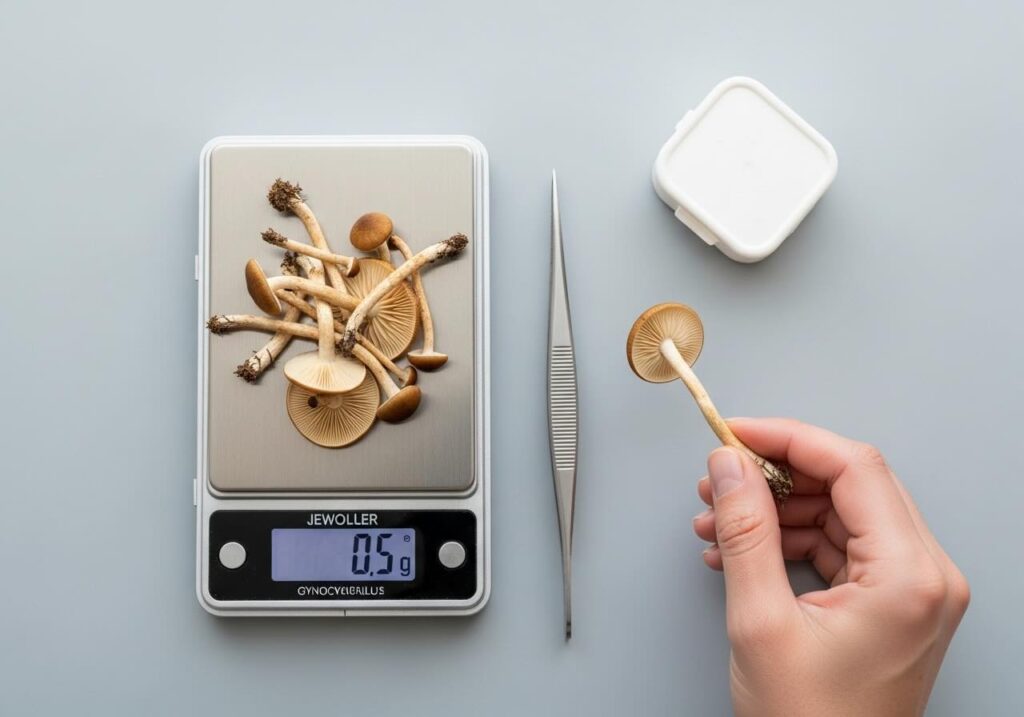
If access shifts to informal sources, a different risk appears: what’s in a pill or vial isn’t always what the label suggests, and stronger or entirely different drugs can enter the picture without any change in intent. Over time, these small drifts add up.
Tolerance makes pauses uncomfortable; uncomfortable pauses invite compensating with something stronger; the “functional” scaffolding begins to creak under the weight of work, sleep, and mood that now depend on chemistry.
None of this happens overnight, and none of it says anything unkind about a person’s character. It’s simply the way adaptation, availability, and relief-seeking can intersect, quietly at first, and then all at once.
Making a plan that respects your life (and your privacy)
Care in 2025 doesn’t have to mean blowing up your calendar. For alcohol, stimulants, and sedatives, outcomes improve when medical support, therapy, and practical guardrails move together.
That can look like a brief, private stabilization with sleep and anxiety support; a thoughtful taper or medication-assisted plan when appropriate; and low-friction follow-ups that fit real schedules. If the goal is “keep showing up for my life,” the treatment should share that goal.
If you’d like a space to think this through without judgment, the team at Still Detox Drug & Alcohol Addiction Treatment in Boca Raton meets people exactly at this crossroads, high-functioning on paper, exhausted in private. You can reach us at (561) 556-2677 or our contact page. We’ll help you map options that protect your work, your family, and your health.
FAQ
Is “functional addiction” a real diagnosis?
No; it’s shorthand people use. Clinicians diagnose substance use disorders (mild, moderate, severe) based on standardized symptoms like loss of control, cravings, time spent using/recovering, and continued use despite consequences. You can meet criteria and still be outwardly “high-functioning.”
Can I keep my job while getting help?
Our programs build around work and family needs. Many employers prioritize mental health in 2025, and confidential SUD benefits are expanding, though availability varies by company.
What if I only use to work longer hours or to sleep?
Intent doesn’t cancel risk. Stimulants and sedatives can form loops; focus up, wind down that erode sleep and mood and make dependence more likely. If you’re noticing dose creep or withdrawal-type discomfort when you skip, that’s worth a medical conversation.
Isn’t alcohol getting “healthier” with low- and no-ABV options?
Choosing not to drink is a strong protective step, and alcohol-free options help. But when drinking, the cancer and mortality data don’t disappear at moderate levels; 2025 advisories emphasize that risk messaging has been too quiet for years.
References
- CDC: Excessive alcohol use facts & stats.
- Alcohol-induced deaths across age groups, 2019–2024.
- U.S. Surgeon General Advisory: Alcohol and cancer risk.
- JAMA Psychiatry: Incident prescriptions for behavioral health meds (pandemic shift).
- Telemedicine for stimulant initiations trends and context.
- DEA (2025): Telemedicine prescribing rules update.
- NIDA: Scope of prescription drug misuse (stimulants, benzos).
- NIAAA: 2024 NSDUH alcohol use highlights.
- HHS Telehealth: Prescribing controlled substances via telehealth.
- DEA National Drug Threat Assessment 2025.
- Circana: Sober-curious participation and trends (2025).
- SHRM State of the Workplace 2023–24: mental health & retention.
If parts of this resonate, it doesn’t mean you’ve failed; it means you’ve been doing your best to keep life moving. When you’re ready to talk through next steps, we’re here to listen and plan something that fits. Still Detox • (561) 556-2677