
Key facts about benzodiazepine addiction treatment
- Benzodiazepine withdrawal can be fatal: Stopping benzos abruptly or tapering too quickly can cause seizures, which can be life-threatening; the FDA has issued warnings that withdrawal should never be attempted without medical supervision.
- Physical dependence can develop within days: According to FDA reports, patients can become physically dependent on benzodiazepines after taking them for as little as several days, even when used as prescribed.
- Withdrawal symptoms can last weeks to years: The FDA’s adverse events database shows that withdrawal symptoms – including insomnia, anxiety, depression, heart rate fluctuations, and cognitive impairment – can persist for months or even years in some patients.
- Medical detox uses gradual tapering: The gold standard for benzodiazepine withdrawal is a slow, medically supervised taper that reduces the dose gradually over weeks or months to minimize withdrawal severity and prevent seizures.
- Inpatient treatment is recommended for severe dependence: SAMHSA recommends inpatient medical management of withdrawal for those who have used high doses of benzos for extended periods, to minimize the risk of severe and potentially life-threatening symptoms.
- Three phases of withdrawal: Benzodiazepine withdrawal typically occurs in three phases: early withdrawal (rebound anxiety and insomnia), acute withdrawal (physical symptoms like tremors, sweating, nausea, panic attacks), and protracted withdrawal (lingering cognitive and mood symptoms).
- Treatment addresses underlying causes: Effective benzo addiction treatment combines medical detox with therapy (CBT, motivational interviewing, family therapy) to address the anxiety, trauma, or other conditions that led to benzodiazepine dependence.
- Aftercare is critical for long-term recovery: Support groups, alumni programs, and ongoing therapy help prevent relapse and support sustained recovery after detox and residential treatment.
- Discontinuation without support increases mortality: A 2023 JAMA study of over 350,000 adults found that patients whose benzodiazepine prescriptions were discontinued had higher rates of mortality, overdose, suicidal ideation, and emergency department visits compared to those who continued stable treatment – underscoring the need for careful, supported tapering rather than abrupt discontinuation.
- Florida offers specialized residential treatment: For residents of Boca Raton, Palm Beach County, and throughout South Florida, local residential treatment centers like Still Detox provide medically supervised benzo detox and comprehensive addiction treatment close to home.
What are benzodiazepines and why are they addictive?
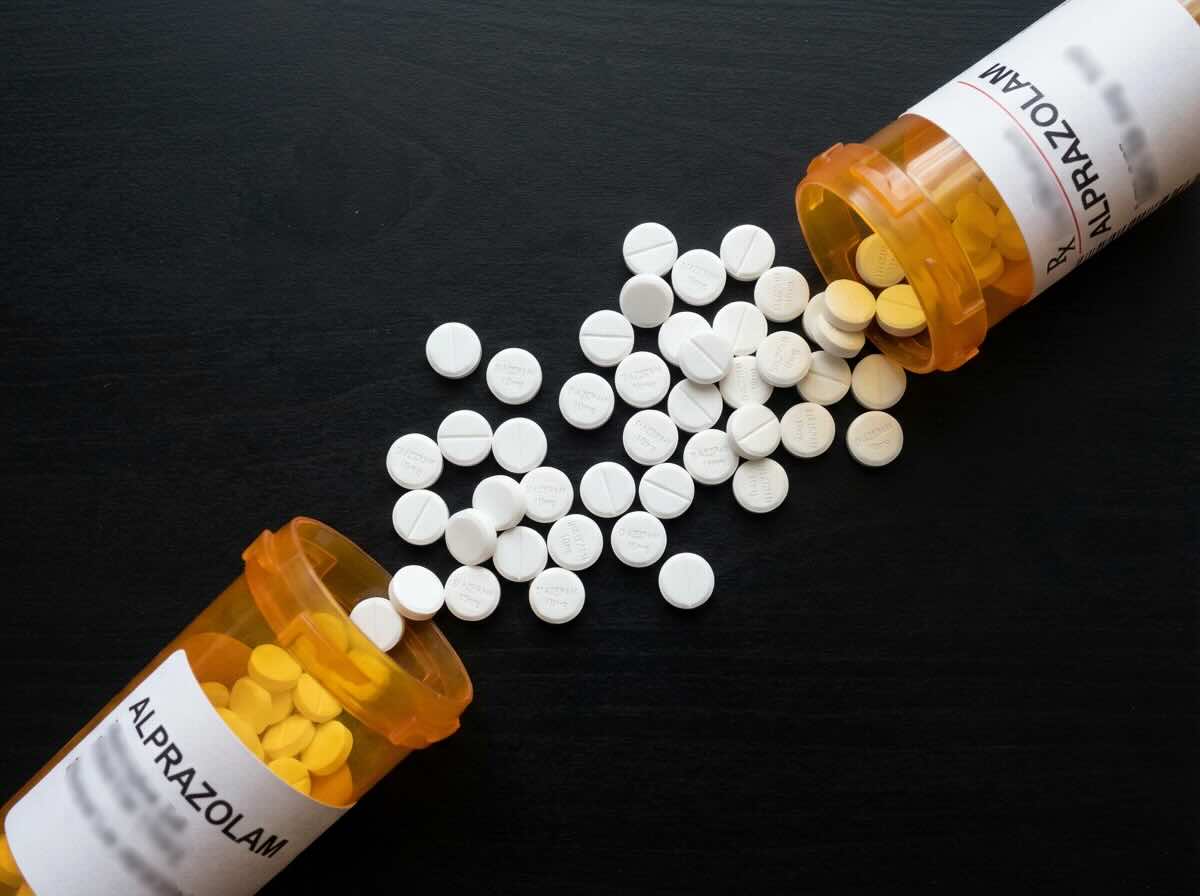
Benzodiazepines – commonly called “benzos” – are a class of prescription sedatives used to treat anxiety, panic disorder, insomnia, seizures, and muscle spasms. Common benzodiazepines include alprazolam (Xanax), lorazepam (Ativan), diazepam (Valium), clonazepam (Klonopin), and temazepam (Restoril).
These drugs work by enhancing the effect of gamma-aminobutyric acid (GABA), a neurotransmitter that inhibits brain activity. The result is a calming, sedating effect that reduces anxiety and promotes sleep. However, the brain quickly adapts to this artificial enhancement of GABA activity, and within days to weeks of regular use, it begins to depend on the drug to maintain normal function.
This is why benzodiazepine dependence develops so rapidly – and why stopping suddenly is so dangerous. When the drug is removed, the brain is left in a hyperexcitable state without the chemical support it has come to rely on. The result is a flood of withdrawal symptoms, including rebound anxiety far worse than the original condition, tremors, insomnia, and in severe cases, seizures and psychosis.
Why benzodiazepine withdrawal is medically dangerous
Benzodiazepine withdrawal is not just uncomfortable – it can be life-threatening. The FDA’s 2020 review of adverse event reports found that approximately 80% of cases involved significant withdrawal symptoms, including central nervous system effects (insomnia, anxiety, panic attacks, memory impairment, depression), cardiovascular effects (heart rate and rhythm fluctuations), and gastrointestinal effects (abdominal pain, nausea, diarrhea).
The most serious risk is seizures. When benzodiazepines are stopped abruptly or reduced too quickly, the brain’s sudden loss of GABA support can trigger grand mal seizures, which can cause brain damage or death if not immediately treated. This is not a rare complication – it is a well-documented medical emergency that occurs frequently enough that every major medical guideline recommends against unsupervised withdrawal.
Beyond seizures, severe benzodiazepine withdrawal can include:
- Psychosis (hallucinations, delusions, confusion)
- Delirium tremens-like syndrome (agitation, disorientation, autonomic instability)
- Severe hypertension and cardiac arrhythmias
- Suicidal ideation and self-harm
- Catatonia (in extreme cases)
A 2023 JAMA Network Open study of over 350,000 patients found that those whose benzodiazepine prescriptions were discontinued had significantly higher rates of death, overdose, suicidal ideation, and emergency department visits compared to those who continued stable, supervised treatment. This finding reinforces the critical importance of proper medical management when discontinuing benzodiazepines.
The benzodiazepine withdrawal timeline
The timeline for benzodiazepine withdrawal varies depending on the specific drug, the dose, the duration of use, and individual patient factors. Short-acting benzos (like Xanax and Ativan) tend to produce withdrawal symptoms more quickly, while long-acting benzos (like Valium and Klonopin) may have a delayed onset but prolonged withdrawal.
A general timeline looks like this:
- 6-24 hours (early withdrawal): Rebound anxiety, insomnia, restlessness, irritability. Symptoms the benzos were suppressing come flooding back.
- 1-4 days (acute withdrawal begins): Physical symptoms emerge – sweating, tremors, headaches, muscle aches, increased heart rate and breathing, nausea, and panic attacks. For short-acting benzos, symptoms may peak during this window.
- 5-14 days (peak acute withdrawal): Symptoms reach their maximum intensity. Risk of seizures is highest during this period, especially if the patient has stopped abruptly without tapering. Severe anxiety, insomnia, perceptual disturbances, and cognitive impairment are common.
- 2-4 weeks (late acute withdrawal): Physical symptoms begin to subside, but psychological symptoms – depression, anxiety, mood swings, difficulty concentrating – often persist.
- Weeks to months (protracted withdrawal): Some patients experience protracted withdrawal syndrome, with lingering symptoms including anxiety, depression, insomnia, cognitive difficulties, and sensory disturbances that can last months or even years.
The FDA has documented cases where withdrawal symptoms lasted for years, emphasizing that benzodiazepine dependence is not something that resolves quickly or easily for everyone.
How medical detox works for benzodiazepine addiction
The cornerstone of safe benzodiazepine withdrawal is a medically supervised taper. Rather than stopping the drug abruptly, clinicians gradually reduce the dose over weeks or months, allowing the brain to slowly readjust to functioning without the drug.
Key elements of medical detox for benzos include:
- Comprehensive assessment: Determining the specific benzodiazepine(s) used, daily dose, duration of use, and any co-occurring medical or psychiatric conditions.
- Conversion to a long-acting benzodiazepine: Many protocols switch patients from short-acting benzos (like Xanax) to a long-acting benzo (like Valium or Librium), which produces smoother, more stable blood levels and easier tapering.
- Individualized tapering schedule: The dose is reduced by small increments (often 5-10% per week or per two weeks) based on how the patient tolerates each reduction. Some patients require slower tapers lasting several months.
- 24/7 medical monitoring: Vital signs, mental status, and withdrawal symptoms are monitored continuously. If seizures or severe symptoms occur, medical staff can intervene immediately.
- Supportive medications: Anticonvulsants, antidepressants, or other medications may be used to manage specific symptoms like seizure risk, severe anxiety, or insomnia during the taper.
- Psychiatric support: Many people who become dependent on benzos were originally prescribed them for anxiety, panic disorder, or insomnia. Addressing these underlying conditions during detox is essential to prevent relapse.
Attempting to taper at home without medical supervision is extremely risky. Even well-intentioned self-tapers frequently fail because the patient cannot accurately assess their own withdrawal severity, lacks access to emergency medical care if seizures occur, and often relapses to relieve unbearable symptoms.
Residential treatment for benzodiazepine addiction
For moderate to severe benzodiazepine dependence, residential (inpatient) treatment is the safest and most effective option. SAMHSA specifically recommends inpatient medical management for those who have used high doses of benzos for extended periods.
Residential treatment provides:
- Safe, controlled environment: No access to benzos or other substances; 24/7 supervision and support.
- Medical detoxification: Physician-supervised tapering with immediate access to emergency care if complications arise.
- Psychiatric evaluation and treatment: Many benzo-dependent patients have co-occurring anxiety disorders, depression, PTSD, or other conditions that must be treated alongside the addiction.
- Evidence-based therapy: Cognitive-behavioral therapy (CBT), motivational interviewing, trauma-informed care, and family therapy help patients understand the root causes of their addiction, develop coping skills, and rebuild relationships.
- Holistic support: Many programs incorporate yoga, meditation, nutrition counseling, and wellness activities to support whole-person recovery.
- Aftercare planning: Discharge planning includes connections to outpatient therapy, support groups, and alumni programs to maintain long-term recovery.
The typical length of residential treatment for benzodiazepine addiction varies depending on the severity of dependence and the tapering schedule required. Some patients complete medical detox in 7-14 days and transition to a longer residential program; others with severe dependence may require 30, 60, or 90 days of continuous inpatient care to safely complete their taper and stabilize.
Benzodiazepine addiction treatment in Boca Raton, Florida
Across Florida, benzodiazepines are frequently prescribed alongside opioids, and this combination has been linked with higher rates of overdose and hospitalization compared to benzos alone. In Palm Beach County and the surrounding South Florida region, clinicians regularly see patients who started on legitimate prescriptions and then developed tolerance, dose escalation, and dangerous polydrug use. While Still Detox serves as a national center for specialized benzo withdrawal, regularly helping patients from as far as New Orleans and across the U.S, our Boca Raton facility offers a vital resource for the South Florida Addiction Treatment community. By providing medical detox and residential care in one regional system, we help patients from Palm Beach to Miami-Dade avoid the danger of bouncing between disconnected providers during a complex taper.
During benzodiazepine addiction treatment we provide;
- Physician-led medical detox: Safe, individualized tapering protocols supervised by experienced addiction medicine physicians.
- 24/7 nursing and clinical support: Round-the-clock monitoring to manage withdrawal symptoms and respond immediately to any complications.
- Dual-diagnosis treatment: Integrated care for co-occurring anxiety, depression, PTSD, and other mental health conditions that often accompany benzodiazepine dependence.
- Evidence-based therapies: CBT, DBT, trauma-informed therapy, motivational interviewing, and family counseling.
- Comfortable, private setting: A supportive residential environment in Boca Raton that allows patients to focus entirely on recovery.
- Aftercare coordination: Discharge planning that connects patients with outpatient providers, therapists, and support groups throughout South Florida.
Choosing a premium treatment center like Still Detox means family members can participate in therapy sessions, visit during designated times, and be involved in aftercare planning – all of which improve long-term outcomes. It also means patients can transition smoothly to outpatient care and local support groups after completing residential treatment, maintaining continuity of care in their home community.
What to expect during benzo addiction treatment
If you or a loved one enters treatment for benzodiazepine addiction, here is what the process typically looks like:
- Intake and assessment: A comprehensive evaluation of your medical history, substance use history, mental health, and social situation. This determines the appropriate level of care and tapering protocol.
- Medical detoxification: A gradual, physician-supervised taper with 24/7 monitoring. The length of detox depends on the severity of your dependence – some patients complete detox in 1-2 weeks, while others require a slower taper lasting a month or longer.
- Transition to residential treatment: After acute detox, most patients benefit from continued residential care to address the psychological and behavioral aspects of addiction. This phase includes daily therapy, group sessions, and skill-building activities.
- Psychiatric treatment: If you have co-occurring anxiety, depression, or other mental health conditions, these are treated alongside your addiction using therapy and, when appropriate, non-addictive medications.
- Family involvement: Family therapy sessions help repair relationships and educate loved ones about addiction and recovery.
- Aftercare planning: Before discharge, your treatment team helps you develop a detailed plan for ongoing care, including outpatient therapy, support groups, and relapse prevention strategies.
The importance of treating underlying conditions
Most people who develop benzodiazepine dependence did not set out to become addicted. They were prescribed benzos for legitimate conditions – anxiety, panic attacks, insomnia, muscle spasms – and over time, their brain became dependent on the medication. Effective treatment must address these underlying conditions, or the patient will likely relapse. If someone completes detox but returns to untreated panic disorder or chronic insomnia, the temptation to return to benzos (or substitute another substance) is overwhelming.
This is why dual-diagnosis treatment is essential. Evidence-based therapies like CBT are highly effective for anxiety and insomnia – often more effective than benzodiazepines in the long term – and do not carry the risk of dependence. Non-addictive medications (such as SSRIs, SNRIs, buspirone, or hydroxyzine) can also help manage anxiety without the risks associated with benzos.
References and Resources
- American Addiction Centers: Benzodiazepine Withdrawal and Detox. Link
- Benzodiazepine Information Coalition: FDA Study on Benzodiazepine Physical Dependence and Withdrawal. Link
- JAMA Network Open: Mortality and Adverse Events Following Benzodiazepine Discontinuation (2023). Link
- Addiction Center: Benzo Withdrawal, Detox, and Timeline. Link
- GoodRx Health: Guide to Benzodiazepine Withdrawal Symptoms and Treatment. Link
- PubMed (NCBI): Risks of Abrupt Discontinuation of Benzodiazepines. Link
- High Focus Centers: Understanding the Duration and Phases of Benzodiazepine Withdrawal. Link
- Oregon Health Authority: Guidelines for Tapering Benzodiazepines Safely. Link