



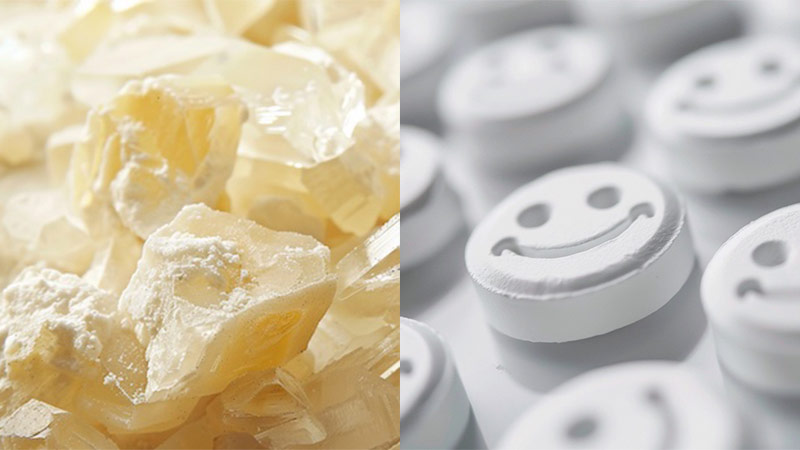
Molly and ecstasy are both terms used to describe the drug MDMA (3,4-methylenedioxymethamphetamine), but there are some differences between the two.
Molly vs Ecstasy: Two Key Differences
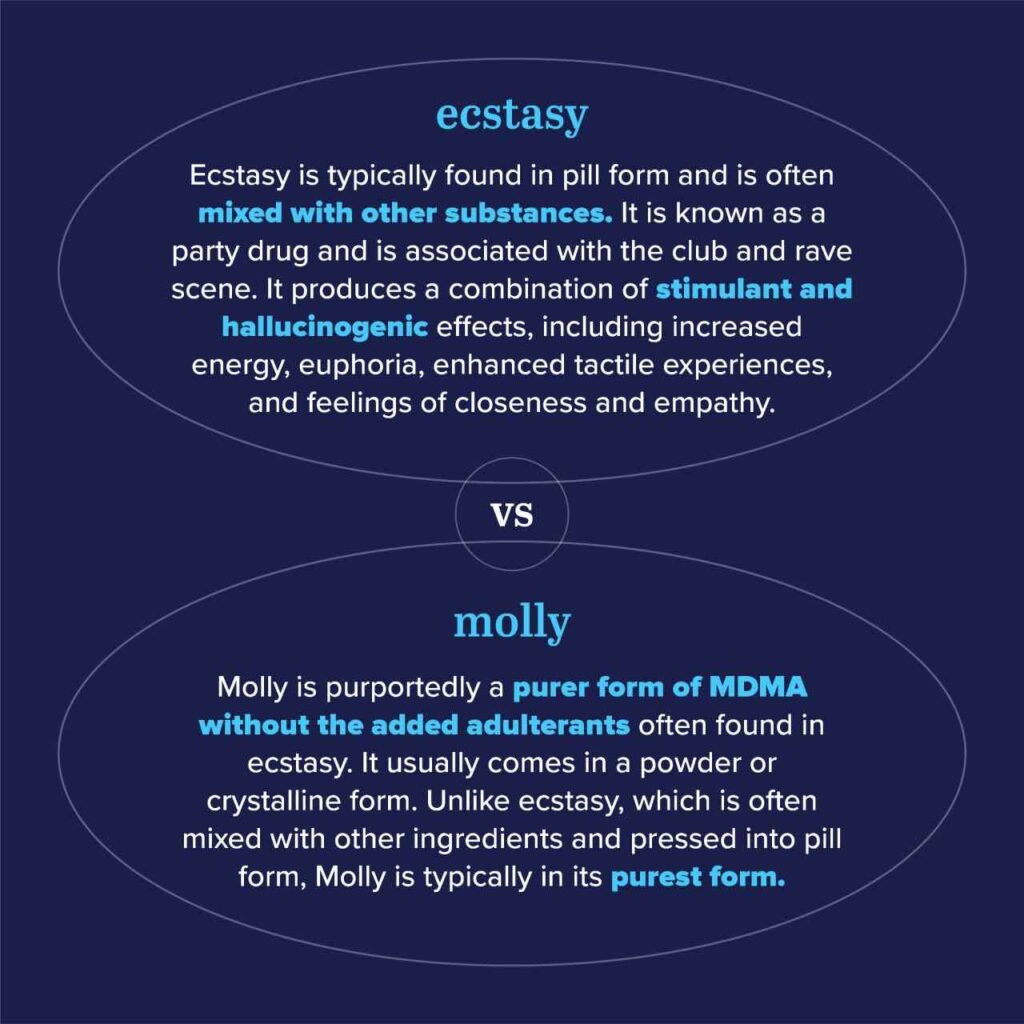
The two key differences between Molly and Ecstasy is their form and purity. Ecstasy typically appears in pill form, often mixed with other substances.
In contrast, Molly is usually sold as a powder or crystal, purportedly offering a purer form of MDMA. However, both can vary in purity and may contain impurities.
Molly vs Ecstasy: What’s in it?
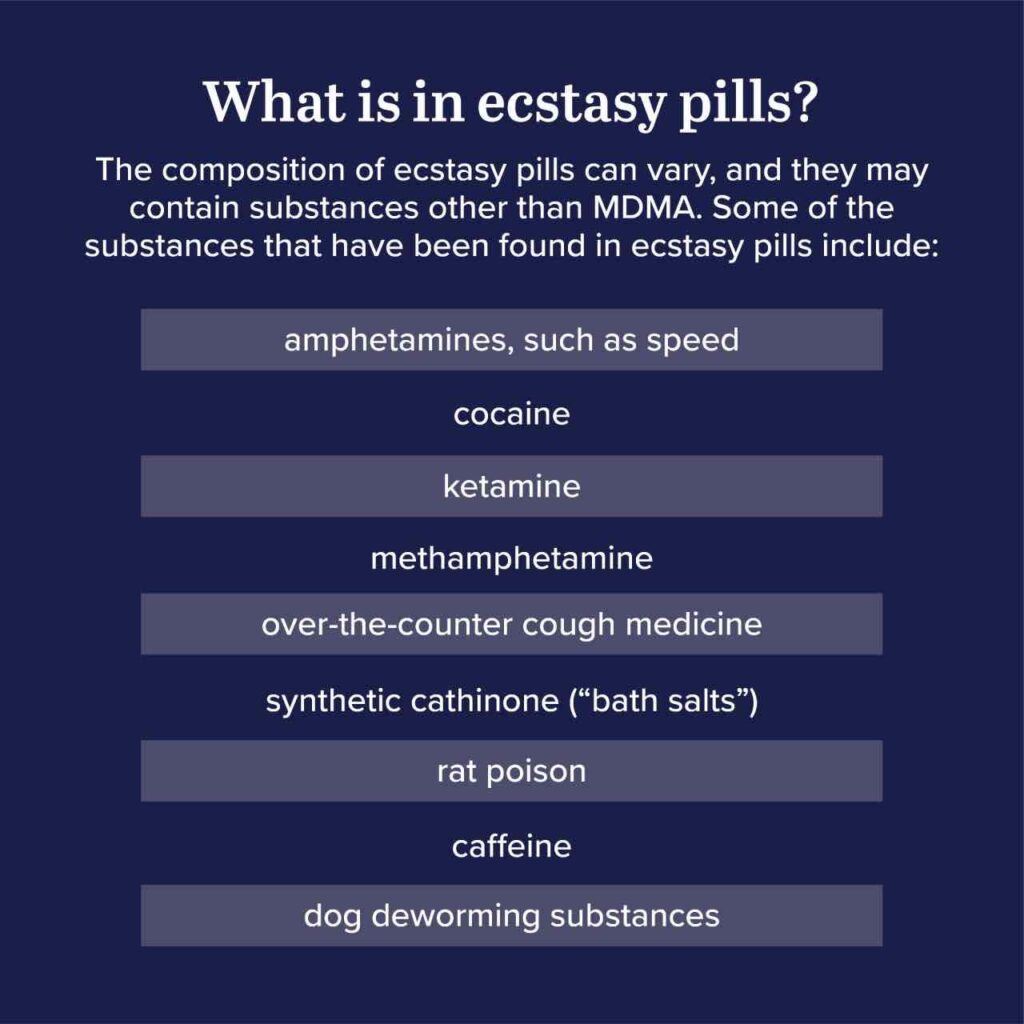
What is in Ecstasy pills?
Ecstasy pills have a more complex and hard-to-understand composition. They may contain substances other than MDMA. Some of the substances that have been found in ecstasy pills include:
- Amphetamines, such as speed,
- Cocaine
- Ketamine
- Methamphetamine
- Over-the-counter cough medicine
- Synthetic cathinone (“bath salts”)
- Rat poison
- Caffeine
- Dog deworming substances
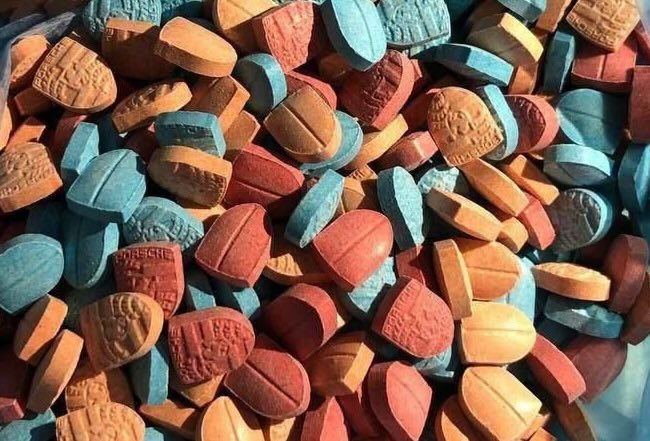
It’s important to note that the specific composition of ecstasy pills can be unpredictable and may vary from one batch to another. This variability increases the risks associated with using ecstasy, as users may not know exactly what substances they are ingesting. Using ecstasy with other drugs, whether illegal or prescription, can also cause toxic interactions and increase the risk of harmful health effects.
What is in Molly Crystal?
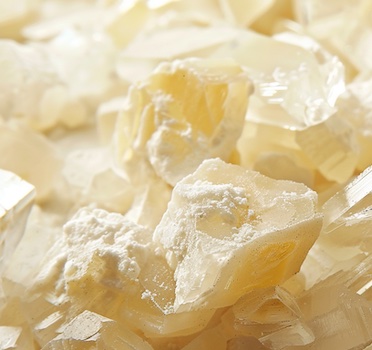
The crystal form of molly is the pure crystalline or molecular form of MDMA. It is usually sold in capsules or as a powder. However, this type of molly is also often mixed with other drugs or substances, such as synthetic cathinone (“bath salts”), cocaine, methamphetamine, or fillers like caffeine or dog deworming substances. These additional substances can be added intentionally during the manufacturing process.
Chemical Reality: Are They the Same?
In theory, molly and ecstasy are MDMA, same chemical, same action on serotonin, dopamine, and norepinephrine, per a 2020 Journal of Neuroscience study. MDMA floods the brain with serotonin, sparking euphoria and empathy. But reality diverges: ecstasy pills often mix MDMA with adulterants; caffeine, amphetamines, even fentanyl, per 2023 DEA lab data. Molly’s billed as pure MDMA, yet a 2022 Drug Testing and Analysis study found 40% of samples tainted with synthetics like bath salts. Chemically identical at their core, their purity splits their real-world impact.

Molly and Ecstasy: How long do they last?
How long does molly last?
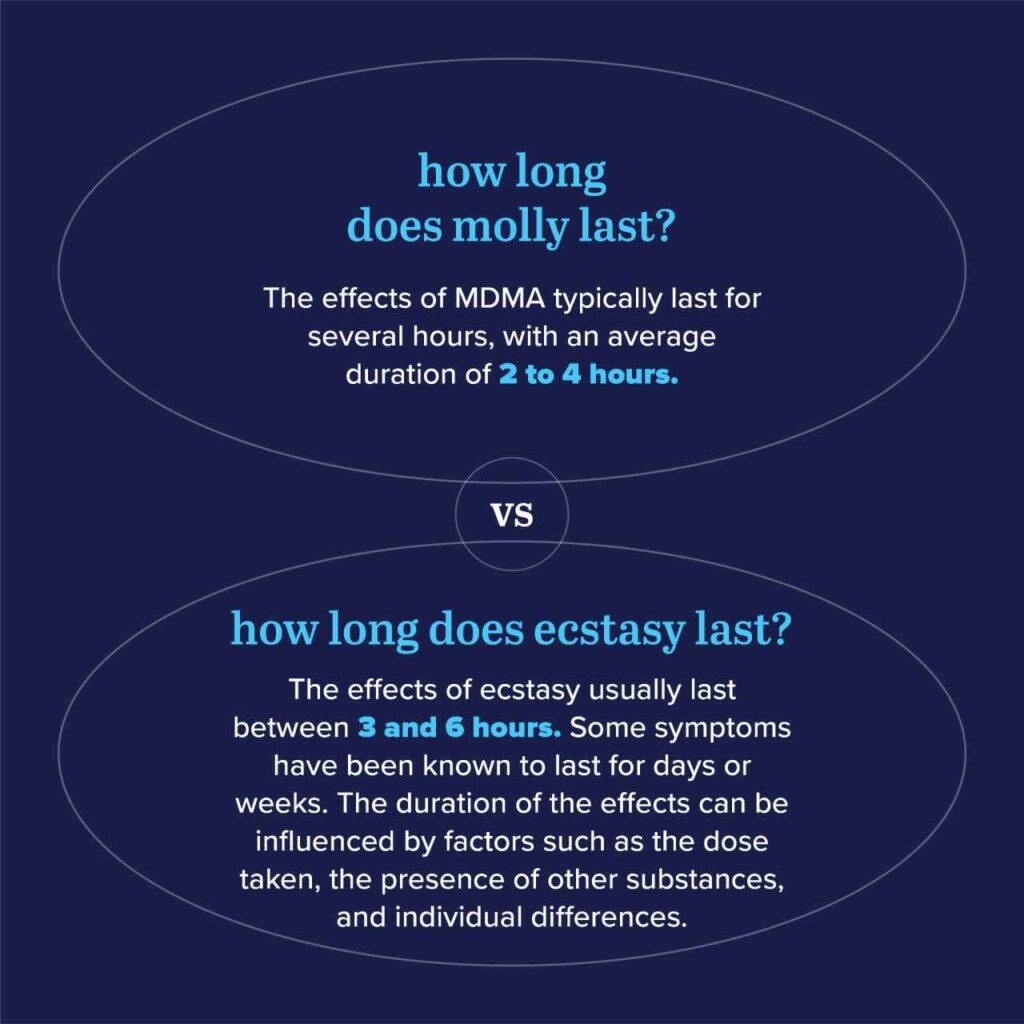
The effects of MDMA (Molly) can vary from person to person and depend on various factors such as the dose, purity, individual metabolism, and overall health. Based on the search results, the effects of MDMA typically last for several hours, with an average duration of 2 to 4 hours. However, individuals who abuse MDMA may still feel some effects for days after use.
How long does ecstasy last?
The effects of ecstasy can vary due to dosage, metabolism, and other substances in the body. Typically, noticeable effects begin within 30 minutes to an hour after oral ingestion, with initial signs felt in 15 to 30 minutes for a standard dose. Symptoms last 3 to 6 hours, but may continue for days or weeks. Duration and intensity can be influenced by quantity used, involvement of other substances, and individual reactions. Purity of ecstasy pills also changes the duration and the effects experienced.
Risks and Realities of Molly and Ecstasy
Ecstasy’s risks are loud—overheating and dehydration kill at raves (92 deaths from 2000-2020, NIDA says), plus serotonin crashes spark days of gloom. Molly’s no saint—40% adulteration means russian roulette with synthetics; a 2023 case tied it to fentanyl overdoses. Both spike heart rates and grind teeth, but ecstasy’s fillers up nausea odds, while molly’s potency risks panic attacks, per 2022 studies. Long-term, they dull memory and mood.
In short, while Molly” and ecstasy both mean MDMA, ecstasy typically means the pill form, which might have extra substances, and Molly is often seen as a purer, powdered or crystalline form of MDMA.
Sources:
DEA – Ecstasy or MDMA
Recovery from MDMA: What to Do Next
Using MDMA (whether as molly or ecstasy) might start as a party habit, but for many, it turns into something much harder to walk away from. If you or someone you love is struggling with MDMA misuse, or is using it to cope with trauma, anxiety, or depression, professional help is available.
At Still Detox, we approach recovery with compassion and evidence-based care. Treatment for MDMA use may include:
- Medical detoxification to help stabilize the body safely.
- MDMA-specific addiction treatment tailored to the emotional and psychological roots of use.
- Cognitive Behavioral Therapy (CBT) for managing cravings and changing thought patterns.
- Dialectical Behavior Therapy (DBT) to build emotional regulation and coping skills.
- Medication-assisted treatment if co-occurring disorders or substance combinations are involved.
- Dual diagnosis treatment for those facing both addiction and mental health challenges.
- Long-term residential options for deeper healing and relapse prevention.
If you’re unsure where to begin, our admissions team is ready to talk — judgment-free and confidential.


